Artificial Intelligence (AI) has become an integral part of our modern world, revolutionizing various industries and transforming the way we live and work. With advancements in technology, AI has the potential to bring about significant changes in fields such as healthcare, finance, transportation, and more. As AI continues to evolve, it is crucial to understand its impact on society and how it can be harnessed for the greater good.
In this article, we will explore the various ways AI is shaping our world and the potential benefits it brings. We will discuss how AI is being used in healthcare to improve diagnostics and treatment, in finance to enhance fraud detection and risk management, and in transportation to optimize logistics and reduce accidents. Additionally, we will examine the ethical considerations surrounding AI and the importance of responsible development and implementation. By understanding the potential of AI and its impact on society, we can harness its power for positive change and create a future that benefits all.
AI has revolutionized various industries such as healthcare, finance, and transportation.
The use of Artificial Intelligence (AI) has had a profound impact on the modern world. This technology has revolutionized various industries, including healthcare, finance, and transportation. AI refers to the development of computer systems that can perform tasks that would typically require human intelligence.
In the healthcare industry, AI has been instrumental in improving patient care and diagnosis. AI-powered medical tools can analyze large amounts of data and provide accurate and timely diagnoses. This has led to more effective treatments and improved patient outcomes. Additionally, AI has the potential to automate administrative tasks, allowing healthcare professionals to focus more on patient care.
In the finance sector, AI has transformed the way transactions are processed and analyzed. AI algorithms can quickly analyze vast amounts of financial data to detect patterns and identify potential risks. This has led to more efficient and accurate financial decision-making. AI-powered chatbots are also being used by financial institutions to provide customer support and streamline the customer experience.
The transportation industry has also benefited greatly from AI. Self-driving cars, powered by AI, have the potential to reduce accidents and increase road safety. AI algorithms can analyze real-time traffic data to optimize routes and reduce congestion. Additionally, AI-powered drones are being used for various purposes, such as package delivery and surveillance.
Benefits of AI in our daily lives
The integration of AI into our daily lives has brought about numerous benefits. One of the most significant advantages is increased efficiency. AI-powered machines can perform tasks faster and more accurately than humans, leading to improved productivity. For example, AI-powered personal assistants can schedule meetings, manage emails, and perform other administrative tasks, freeing up time for individuals to focus on more important work.
Related Posts


AI has also made our lives more convenient. Virtual assistants, such as Amazon’s Alexa and Google Assistant, can answer questions, play music, and control smart home devices. AI-powered recommendation systems, like those used by streaming platforms, can suggest personalized content based on our preferences. These conveniences enhance our daily lives and make tasks easier to accomplish.
Furthermore, AI has the potential to drive innovation and create new opportunities. It has opened up avenues for the development of new technologies and solutions. Companies like OpenAI, Amazon AI, and Google AI are at the forefront of AI research and development, constantly pushing the boundaries of what is possible. AI has also paved the way for advancements in fields such as natural language processing, computer vision, and robotics.
In conclusion, AI has had a significant impact on various industries and our daily lives. It has improved healthcare, revolutionized finance, and transformed transportation. The integration of AI has brought about increased efficiency, convenience, and innovation. As AI continues to evolve, we can expect even greater advancements and benefits in the future.
AI can improve efficiency and productivity by automating repetitive tasks.
Artificial Intelligence (AI) has become an integral part of our modern world, revolutionizing various industries and transforming the way we live and work. One of the key benefits of AI is its ability to automate repetitive tasks, leading to increased efficiency and productivity.
By leveraging AI technologies, companies can streamline their operations and reduce the need for manual labor. Tasks that were once time-consuming and mundane can now be completed in a fraction of the time with the help of AI-powered tools and software.
For example, AI can be used to automate data entry and analysis, eliminating the need for employees to spend hours manually inputting information or crunching numbers. This not only saves time but also reduces the risk of human error, ensuring more accurate and reliable results.
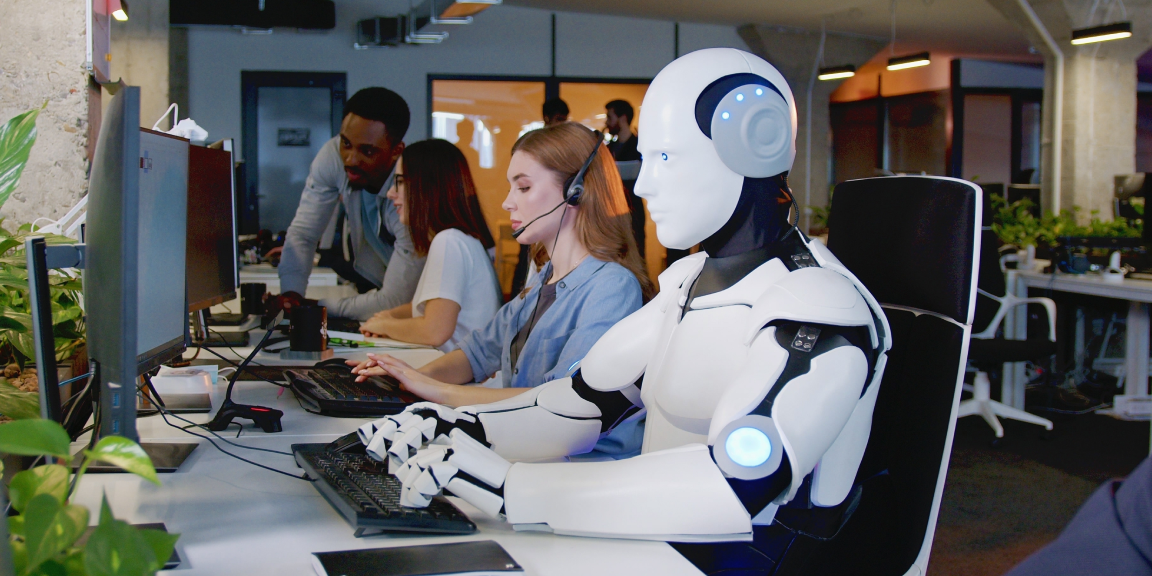
Furthermore, AI can also improve customer service by providing personalized and efficient support. Chatbots, powered by AI algorithms, can interact with customers in real-time, answering their queries and providing solutions to common problems. This not only enhances the customer experience but also frees up human agents to focus on more complex issues.
Moreover, AI can enhance decision-making processes by analyzing massive amounts of data and providing valuable insights. Machine learning algorithms can identify patterns, trends, and correlations that may not be apparent to humans, enabling businesses to make more informed and strategic decisions.
AI is also revolutionizing the healthcare industry. It can assist doctors in diagnosing diseases and recommending treatments based on patient data and medical records. Additionally, AI-powered robots can perform surgeries with greater precision and accuracy, reducing the risk of human error and improving patient outcomes.
In conclusion, AI has the potential to greatly impact the modern world by automating repetitive tasks, improving efficiency, and enhancing decision-making processes. Its benefits extend across various industries, from healthcare to customer service, and its applications are only expected to grow in the future. As we continue to embrace AI technologies, we can unlock new possibilities and create a more advanced and productive society.
AI can enhance decision-making by analyzing large amounts of data.
Artificial Intelligence (AI) has revolutionized the modern world in numerous ways, and one of its most significant impacts is in the realm of decision-making. With the ability to analyze large amounts of data quickly and efficiently, AI has the potential to enhance decision-making processes in various industries.
By utilizing AI algorithms, companies can make informed decisions based on data-driven insights. AI systems can process and analyze vast amounts of information, identifying patterns, trends, and correlations that may not be apparent to humans. This allows businesses to make more accurate predictions and forecasts, leading to improved strategies and outcomes.
Moreover, AI can automate decision-making processes, reducing the need for manual intervention. This not only saves time but also minimizes the risk of human error. AI-powered systems can make decisions based on predefined rules and algorithms, ensuring consistency and eliminating biases.
AI can also assist in complex decision-making scenarios by providing real-time insights and recommendations. For example, in the healthcare industry, AI can analyze patient data, medical records, and scientific literature to support doctors in diagnosing diseases and determining the most effective treatment plans.
In addition to improving decision-making, AI can also optimize resource allocation. By analyzing data on resource usage and demand patterns, AI systems can help companies allocate their resources more efficiently, reducing waste and costs.
Furthermore, AI can enhance decision-making in the field of customer service. AI-powered chatbots and virtual assistants can provide personalized recommendations and solutions to customers, improving the overall customer experience.
In conclusion, AI has the potential to revolutionize decision-making processes in various industries. By analyzing large amounts of data, automating decision-making, providing real-time insights, and optimizing resource allocation, AI can enhance decision-making accuracy, efficiency, and effectiveness. As AI continues to advance, its impact on decision-making will only grow stronger, leading to a more intelligent and efficient world.
AI can provide personalized experiences by understanding individual preferences.
Artificial Intelligence (AI) has become an integral part of our modern world, revolutionizing various industries and enhancing our daily lives. One of the key benefits of AI is its ability to provide personalized experiences by understanding individual preferences.
With AI-powered algorithms, companies can gather and analyze vast amounts of data to gain insights into customer behavior, preferences, and interests. This allows them to create tailored experiences that cater to the unique needs of each individual. For example, online retailers can use AI to recommend products based on a customer’s previous purchases and browsing history, increasing the chances of making a sale.
Moreover, AI can also improve the efficiency of customer service by providing personalized assistance. Chatbots powered by AI can understand natural language and provide accurate and relevant responses to customer queries. This ensures a seamless and efficient customer experience, reducing the need for human intervention.
Additionally, AI can enhance the entertainment industry by recommending personalized content to users. Streaming platforms like Netflix and Spotify utilize AI algorithms to analyze user preferences and provide personalized recommendations for movies, TV shows, and music. This not only improves the user experience but also helps users discover new content that aligns with their interests.
Furthermore, AI can have a significant impact on healthcare. By analyzing medical records and patient data, AI algorithms can identify patterns and predict potential health issues. This enables healthcare professionals to provide proactive and personalized care, leading to better patient outcomes.
In conclusion, AI has the potential to revolutionize the way we experience the world by providing personalized experiences that cater to individual preferences. Whether it’s in the realm of e-commerce, customer service, entertainment, or healthcare, AI can enhance efficiency, improve user experiences, and lead to better outcomes. As we continue to embrace AI technologies, the possibilities for personalized experiences are endless.
AI can assist in medical diagnosis and treatment.
Artificial Intelligence (AI) has made significant advancements in the field of medicine, revolutionizing the way we diagnose and treat various diseases. With the help of AI, doctors and healthcare professionals can now make more accurate and efficient diagnoses, leading to better patient outcomes.
One of the key benefits of AI in the medical field is its ability to analyze large amounts of medical data and identify patterns that may not be apparent to the human eye. This allows AI systems to detect early signs of diseases and provide timely interventions, potentially saving lives.
AI-powered diagnostic tools can also assist doctors in making more informed decisions. For example, machine learning algorithms can analyze medical images, such as X-rays and MRIs, and highlight areas of concern or potential abnormalities. This helps doctors prioritize cases, reduce errors, and improve the overall efficiency of the diagnostic process.
Furthermore, AI can be used to develop personalized treatment plans for patients. By analyzing individual patient data, such as medical history, genetic information, and lifestyle factors, AI algorithms can recommend tailored treatment options that are more likely to be effective. This not only improves patient outcomes but also reduces the risk of adverse reactions to medications.
In addition to diagnosis and treatment, AI can also assist in monitoring patients’ health. Wearable devices equipped with AI algorithms can continuously track vital signs, such as heart rate, blood pressure, and glucose levels, and alert healthcare providers in case of any abnormalities. This proactive approach to monitoring can help prevent medical emergencies and allow for early intervention.
In conclusion, the impact of AI on the medical field is immense. From improving diagnostic accuracy to providing personalized treatment plans, AI has the potential to revolutionize healthcare and improve patient outcomes. As technology continues to advance, we can expect AI to play an even greater role in the future of medicine.
Frequently Asked Questions
What is AI?
AI stands for Artificial Intelligence, which refers to the simulation of human intelligence in machines that are programmed to think and learn like humans.
How is AI used in the modern world?
AI is used in various industries and applications, such as healthcare, finance, transportation, and customer service, to automate tasks, analyze data, and make predictions.
What are the benefits of AI?
AI can improve efficiency, accuracy, and productivity, automate repetitive tasks, enhance decision-making, and enable the development of innovative solutions to complex problems.
Are there any risks or concerns associated with AI?
Some concerns related to AI include job displacement, privacy and security risks, bias and discrimination in algorithms, and ethical considerations regarding the use of AI in decision-making.