
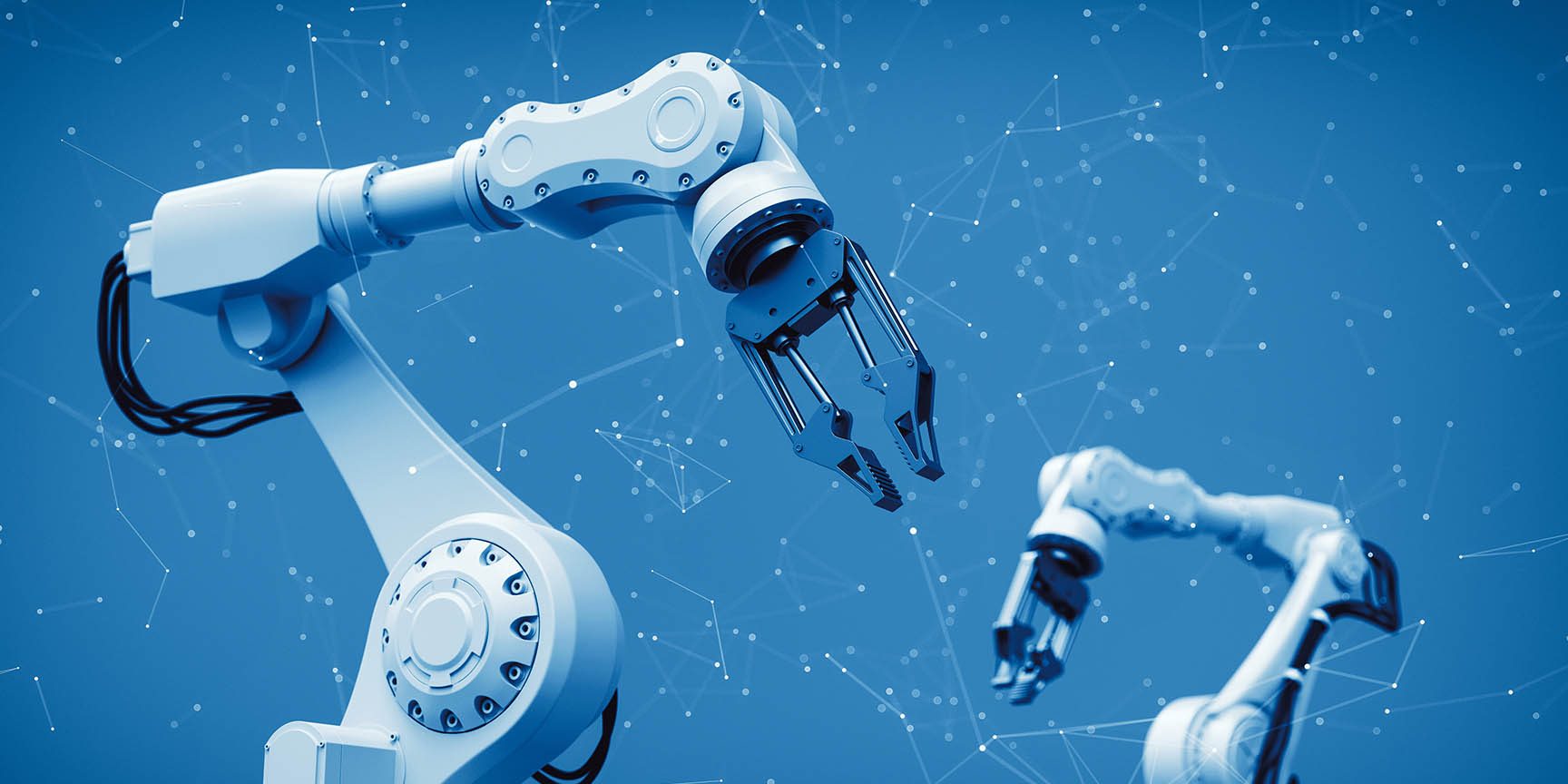
Artificial Intelligence (AI) has made significant advancements in recent years, revolutionizing various industries. One field that has seen significant growth in the integration of AI is robotics. As AI technology becomes more sophisticated, robots are becoming more intelligent and capable of performing complex tasks. This article will explore the growth of AI in robotics and its impact on various sectors.
In this article, we will delve into the various applications of AI in robotics, such as industrial automation, healthcare, and autonomous vehicles. We will discuss how AI enables robots to learn and adapt to their environments, making them more efficient and versatile. Additionally, we will examine the challenges and ethical considerations surrounding the use of AI in robotics, including job displacement and privacy concerns. Overall, this article aims to provide an overview of the current state of AI in robotics and its potential for future advancements.
AI is revolutionizing the field of robotics.
Artificial Intelligence (AI) is transforming the world of robotics, allowing machines to perform tasks that were once only possible for humans. With advancements in AI technology, robots are becoming smarter, more efficient, and more capable of adapting to different situations.
AI enables robots to analyze and interpret data from their surroundings, making them more autonomous and independent. They can perceive their environment using sensors and cameras, and use AI algorithms to make decisions based on the information they gather. This allows robots to navigate complex environments, avoid obstacles, and interact with objects and humans in a natural way.
One area where AI is making a significant impact in robotics is in the field of automation. Robots equipped with AI can perform repetitive and mundane tasks with precision and accuracy, freeing up human workers to focus on more complex and creative tasks. This has led to increased productivity and efficiency in industries such as manufacturing, logistics, and healthcare.
The Role of Machine Learning (ML) in Robotics
Machine Learning (ML) is a subset of AI that focuses on enabling machines to learn from data and improve their performance over time. In robotics, ML algorithms play a crucial role in enabling robots to learn from their past experiences and adapt to new situations.
By analyzing large amounts of data, robots can learn patterns, make predictions, and make informed decisions. For example, a robot can learn to identify objects and understand their properties by analyzing images and data from various sensors. This allows them to perform tasks such as object recognition, grasping, and manipulation.
Related Posts


Furthermore, ML algorithms enable robots to learn from human demonstrations. By observing and imitating human actions, robots can acquire new skills and improve their performance. This is particularly useful in applications such as robot-assisted surgery, where robots need to learn complex and precise movements.
The Future of AI in Robotics
The future of AI in robotics looks promising. As AI technology continues to advance, we can expect robots to become even more intelligent and versatile. They will be able to understand natural language, communicate with humans, and collaborate with them in various tasks.
Moreover, AI will enable robots to adapt to changing circumstances and learn from their mistakes. They will be able to continuously improve their performance and become more efficient and reliable. This will open up new possibilities for robots in areas such as healthcare, agriculture, and disaster response.
In conclusion, AI is revolutionizing the field of robotics, enabling machines to perform tasks that were once considered impossible. With advancements in AI technology, robots are becoming more autonomous, intelligent, and adaptable. The role of machine learning in robotics is crucial, as it allows robots to learn from data and improve their performance over time. The future of AI in robotics looks promising, with robots becoming even more intelligent and versatile. The possibilities are endless, and we can expect AI-powered robots to play a significant role in shaping the future of various industries.
AI allows robots to learn and adapt to their environment.
Artificial Intelligence (AI) has revolutionized the field of robotics, enabling robots to learn, adapt, and interact with their surroundings in ways never seen before. By incorporating AI algorithms and machine learning techniques, robots are now capable of performing complex tasks that were once only possible for humans.
One of the key advantages of AI in robotics is its ability to enable robots to learn from their experiences. Through a process called machine learning, robots can analyze and interpret data from their sensors, allowing them to understand and adapt to different situations. This capability allows robots to make intelligent decisions and perform tasks more efficiently.
AI also plays a crucial role in enabling robots to interact with humans and their environment. Natural language processing, a branch of AI, allows robots to understand and respond to human commands and questions. This opens up a wide range of possibilities for robots to assist humans in various tasks, such as household chores, customer service, and even healthcare.
Moreover, AI in robotics has led to the development of autonomous robots, which can operate independently without human intervention. These robots are equipped with advanced AI algorithms that enable them to navigate their surroundings, make decisions, and perform tasks without constant human supervision. This is particularly useful in industries such as manufacturing, logistics, and agriculture, where robots can improve efficiency and productivity.
AI is also driving advancements in the field of computer vision, allowing robots to perceive and understand their environment through cameras and other sensors. This enables robots to recognize objects, navigate obstacle-filled environments, and even perform complex tasks such as object manipulation.
As the field of AI continues to evolve, the potential applications for AI in robotics are virtually limitless. From autonomous vehicles to drones, from healthcare to entertainment, robots powered by AI are transforming various industries and making our lives easier and more convenient.
In conclusion, AI has revolutionized the field of robotics by enabling robots to learn, adapt, and interact with their environment. Through machine learning, natural language processing, and computer vision, robots are now capable of performing complex tasks and assisting humans in various industries. With the continuous development of AI, we can expect even more exciting advancements in the field of robotics in the future.
AI-powered robots can perform complex tasks with precision and accuracy.
Artificial Intelligence (AI) has revolutionized various industries, and one of the most significant areas of its impact is in robotics. AI-powered robots have the ability to perform complex tasks with precision and accuracy, making them invaluable in a wide range of applications.
These robots are equipped with advanced AI algorithms that enable them to perceive and understand their environment, make decisions, and execute tasks autonomously. This level of autonomy allows them to adapt to changing situations and perform tasks that were once considered too difficult or dangerous for humans.
One of the key advantages of AI-powered robots is their ability to learn and improve over time. Through machine learning algorithms, these robots can analyze vast amounts of data, identify patterns, and continuously refine their performance. This enables them to become more efficient and effective in their tasks, leading to increased productivity and cost savings for businesses.
AI-powered robots are being used in various industries, including manufacturing, healthcare, agriculture, and logistics. In manufacturing, these robots can automate repetitive and labor-intensive tasks, such as assembly and quality control, resulting in increased production rates and improved product quality.
In healthcare, AI-powered robots are assisting in surgeries, providing support to doctors and nurses, and even delivering medication to patients. These robots can navigate hospital corridors, interact with patients, and perform tasks with a high level of precision, reducing the risk of human error and improving patient outcomes.
In agriculture, AI-powered robots are revolutionizing farming practices. They can autonomously monitor crops, detect diseases, and apply targeted treatments, leading to increased crop yields and reduced use of pesticides. These robots can also perform tasks such as planting and harvesting, reducing the need for manual labor.
In the logistics industry, AI-powered robots are streamlining warehouse operations. These robots can efficiently pick and pack items, navigate through complex environments, and optimize inventory management. This not only improves operational efficiency but also reduces costs and enhances customer satisfaction.
As the field of AI continues to advance, we can expect even more sophisticated and capable robots to emerge. Companies such as OpenAI, Amazon AI, Meta AI, Google AI, and Microsoft are at the forefront of AI research and development, constantly pushing the boundaries of what AI-powered robots can achieve.
In conclusion, the growth of AI in robotics has transformed various industries, enabling robots to perform complex tasks with precision and efficiency. These AI-powered robots have the potential to revolutionize the way we work and live, improving productivity, enhancing safety, and creating new opportunities. As technology continues to advance, we can look forward to a future where AI-powered robots play an even more significant role in our daily lives.
AI algorithms enable robots to make autonomous decisions.
Artificial Intelligence (AI) has revolutionized various industries, and one of the most significant areas of growth is in robotics. AI algorithms have empowered robots to make autonomous decisions, allowing them to perform tasks with greater efficiency and accuracy.
Robots equipped with AI can perceive and understand their environment using sensors and cameras. They can analyze data in real-time and make intelligent decisions based on the information they gather. This capability allows them to adapt to changing circumstances and perform complex tasks that were previously only possible for humans.
One of the key advantages of AI in robotics is its ability to learn and improve over time. Through machine learning algorithms, robots can acquire new skills and knowledge by analyzing vast amounts of data. This enables them to continuously enhance their performance and become more proficient in their tasks.
AI-powered robots are being widely used in various industries, including manufacturing, healthcare, logistics, and agriculture. In manufacturing, robots can automate repetitive and dangerous tasks, increasing productivity and reducing the risk of human error. In healthcare, they can assist in surgeries, provide support to patients, and even perform delicate procedures with precision.
Furthermore, AI algorithms enable robots to collaborate with humans in a seamless manner. They can understand and respond to human commands, making them valuable assistants in various settings. For example, collaborative robots, also known as cobots, can work alongside human workers on assembly lines, enhancing productivity and safety.
As the field of AI continues to advance, so does its impact on robotics. Companies specializing in AI and robotics are constantly developing new technologies and innovations to further improve the capabilities of robots. These advancements include enhanced perception, decision-making, and interaction with humans.
In conclusion, AI algorithms have played a crucial role in the growth of robotics. By enabling robots to make autonomous decisions, AI has transformed various industries and opened up new possibilities for automation and collaboration. As the technology continues to evolve, we can expect even more advancements in the field of AI in robotics, leading to a future where robots become even more integral to our daily lives.
AI in robotics enhances efficiency and productivity in various industries.
The integration of Artificial Intelligence (AI) in robotics has revolutionized various industries, enhancing efficiency and productivity. By combining advanced algorithms and machine learning, AI-powered robots are capable of performing complex tasks with precision and accuracy.
One of the key benefits of AI in robotics is its ability to automate repetitive and mundane tasks. This not only reduces human error but also frees up valuable time for workers to focus on more strategic and creative activities. Companies across different sectors, such as manufacturing, healthcare, and logistics, are increasingly adopting AI-powered robots to streamline their operations and improve overall productivity.
Manufacturing Industry
In the manufacturing industry, AI-powered robots are transforming the production process. These robots can perform tasks such as assembly, quality control, and packaging with speed and precision. They can also adapt to changes in production requirements, making them highly flexible and efficient. Additionally, AI algorithms enable robots to learn from past experiences and optimize their performance over time.
By implementing AI in robotics, manufacturing companies can increase production output, reduce costs, and improve product quality. Furthermore, the use of AI-powered robots minimizes the risk of workplace accidents and injuries, as they can handle hazardous tasks that may be dangerous for humans.
Healthcare Industry
In the healthcare industry, AI-powered robots are playing a crucial role in assisting medical professionals and improving patient care. These robots can perform tasks such as patient monitoring, medication dispensing, and surgical assistance. AI algorithms enable robots to analyze vast amounts of medical data and provide accurate diagnoses and treatment recommendations.
The integration of AI in robotics has the potential to revolutionize healthcare by enhancing efficiency, reducing medical errors, and improving patient outcomes. AI-powered robots can also assist in remote healthcare delivery, enabling patients to receive medical attention even in remote areas.
Logistics Industry
The logistics industry is another sector that greatly benefits from AI in robotics. AI-powered robots are capable of automating various tasks in the supply chain, including inventory management, order fulfillment, and warehouse operations. These robots can navigate complex warehouse environments, pick and pack items, and optimize logistics routes for efficient delivery.
By implementing AI in robotics, logistics companies can achieve faster order processing, reduce errors in shipment, and improve overall customer satisfaction. AI-powered robots also enable real-time tracking and monitoring of inventory, ensuring efficient inventory management and minimizing stockouts.
In conclusion, the integration of AI in robotics has brought about significant advancements in various industries. From manufacturing to healthcare and logistics, AI-powered robots are enhancing efficiency, productivity, and overall performance. As technology continues to advance, we can expect AI in robotics to further revolutionize the way industries operate, paving the way for a more automated and intelligent future.
Frequently Asked Questions
1. What is AI in robotics?
AI in robotics refers to the use of artificial intelligence techniques and algorithms in the development and functioning of robots.
2. How does AI contribute to the growth of robotics?
AI enables robots to perform complex tasks, learn from their experiences, and make autonomous decisions, leading to the advancement and growth of robotics.
3. What are some examples of AI applications in robotics?
Some examples include autonomous drones, self-driving cars, robotic assistants, and industrial automation systems.
4. What are the benefits of AI in robotics?
AI in robotics can enhance efficiency, productivity, and accuracy, as well as enable robots to adapt and learn in real-time, leading to improved performance and capabilities.