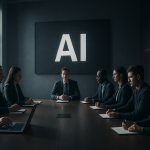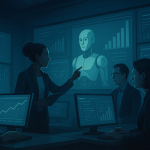

Artificial Intelligence (AI) has made significant advancements in various industries, and the field of medicine is no exception. With the ability to analyze vast amounts of data quickly and accurately, AI has the potential to revolutionize medical diagnosis. By leveraging machine learning algorithms and deep learning techniques, AI systems can assist healthcare professionals in making more accurate and timely diagnoses, leading to improved patient outcomes.
In this article, we will explore the ways in which AI is transforming the field of medical diagnosis. We will delve into the different applications of AI in diagnosing various diseases, such as cancer, cardiovascular conditions, and infectious diseases. Additionally, we will discuss the benefits and challenges of implementing AI in healthcare settings, and the ethical considerations that arise with the use of AI in medical diagnosis. Overall, this article aims to provide an overview of the transformative potential of AI in improving medical diagnosis and its impact on patient care.
Using AI algorithms to analyze medical images can help detect diseases more accurately and quickly.
Artificial Intelligence (AI) has been revolutionizing various industries, and the field of medicine is no exception. One area where AI has made significant advancements is in medical diagnosis. By utilizing AI algorithms to analyze medical images, doctors can detect diseases more accurately and quickly, leading to improved patient outcomes.
Traditional methods of medical diagnosis often rely on human interpretation of medical images such as X-rays, CT scans, and MRIs. While doctors are highly skilled, they can sometimes miss subtle signs or make errors in their analysis. AI algorithms, on the other hand, can analyze vast amounts of data with incredible speed and precision.
One of the key advantages of using AI in medical diagnosis is its ability to detect patterns and anomalies that may be imperceptible to the human eye. By training AI models on large datasets of medical images, these algorithms can learn to identify even the smallest deviations from normal. This can be particularly useful in detecting early-stage diseases, where early intervention can significantly improve patient outcomes.
Furthermore, AI algorithms can also assist doctors in making more accurate diagnoses by providing them with additional insights and recommendations. For example, an AI system can highlight areas of concern in a medical image or suggest possible diagnoses based on similar cases in its database. This can help doctors make more informed decisions and avoid potential misdiagnoses.
Several companies have already developed AI-powered medical diagnosis tools. These tools can analyze medical images and provide automated reports to assist doctors in their diagnosis. Some of the leading companies in this field include OpenAI, Amazon AI, Meta AI, Google AI, and Microsoft AI.
Related Posts


OpenAI, for instance, has developed a language model called GPT-3 that can generate human-like responses based on given prompts. This technology can be used to help doctors understand complex medical reports or research articles more easily.
Amazon AI has also made significant contributions to medical diagnosis with its machine learning algorithms. Their tools can analyze medical images and detect abnormalities, allowing doctors to make more accurate diagnoses.
Meta AI, a subsidiary of Facebook, focuses on using AI to improve medical imaging. Their algorithms can enhance the quality of medical images, making it easier for doctors to identify abnormalities.
Google AI has developed various AI-powered tools for medical diagnosis, including algorithms that can detect diabetic retinopathy from retinal images. These tools have the potential to improve the efficiency and accuracy of diagnosis in ophthalmology.
Microsoft AI is also actively involved in medical diagnosis research. Their AI algorithms can analyze medical images and provide quantitative measurements, enabling doctors to track disease progression more effectively.
In conclusion, AI has the potential to revolutionize medical diagnosis by improving accuracy, speed, and efficiency. By utilizing AI algorithms to analyze medical images, doctors can detect diseases more accurately and quickly, leading to better patient outcomes. The development of AI-powered medical diagnosis tools by companies like OpenAI, Amazon AI, Meta AI, Google AI, and Microsoft AI is a significant step towards leveraging the power of AI in healthcare.
AI can assist doctors in diagnosing complex diseases by analyzing patient data and medical records.
Artificial Intelligence (AI) has the potential to revolutionize the field of medical diagnosis. By utilizing advanced algorithms and machine learning techniques, AI can assist doctors in analyzing patient data and medical records, ultimately improving the accuracy and efficiency of diagnoses.
One of the key advantages of AI in medical diagnosis is its ability to process and analyze large amounts of data in a short period of time. This includes not only patient information such as medical history and symptoms, but also a vast array of medical literature and research. By comparing patient data with this extensive knowledge base, AI algorithms can identify patterns and make connections that may not be immediately apparent to human doctors.
AI can also help doctors in diagnosing complex diseases that require specialized expertise. For example, rare conditions or those with ambiguous symptoms can often be challenging to diagnose accurately. However, AI algorithms can be trained on data from similar cases and learn to recognize subtle patterns or indicators that may point to a specific diagnosis. This can greatly enhance the diagnostic process and enable doctors to provide more targeted and effective treatments.
In addition to aiding doctors in making accurate diagnoses, AI can also assist in the prediction and prevention of diseases. By continuously monitoring patient data and analyzing trends, AI algorithms can identify early warning signs and risk factors for certain conditions. This proactive approach allows doctors to intervene earlier, potentially preventing the development or progression of diseases.
It is important to note that AI is not meant to replace doctors, but rather to augment their capabilities. Human expertise and judgment are still essential in the diagnosis and treatment of patients. AI serves as a powerful tool that can enhance the decision-making process and provide doctors with valuable insights.
In conclusion, AI has the potential to revolutionize medical diagnosis by assisting doctors in analyzing patient data, identifying patterns, and making accurate diagnoses. This technology can improve the efficiency and accuracy of diagnoses, particularly for complex diseases and rare conditions. By leveraging AI’s capabilities, doctors can provide more targeted treatments and potentially prevent the development of diseases. The integration of AI in medical diagnosis marks an exciting advancement in healthcare, offering new possibilities for improving patient outcomes.
AI can predict disease outcomes and help doctors create personalized treatment plans.
Artificial Intelligence (AI) has been revolutionizing various industries, and one area where it has shown immense potential is in the field of medical diagnosis. By harnessing the power of AI, doctors can now predict disease outcomes more accurately and create personalized treatment plans for their patients.
AI algorithms are designed to analyze vast amounts of medical data, including patient records, test results, and research papers. By processing this information, AI systems can identify patterns and correlations that might not be immediately apparent to human doctors. This analysis allows AI to make predictions about disease outcomes and provide valuable insights for treatment.
Improved Disease Diagnosis
One of the key advantages of AI in medical diagnosis is its ability to improve disease detection and diagnosis. AI algorithms can analyze medical images, such as X-rays, CT scans, and MRIs, with incredible accuracy. They can identify subtle abnormalities that might be missed by human doctors, leading to earlier detection and more effective treatment.
Furthermore, AI can also analyze genetic data to identify potential genetic markers for diseases. By examining an individual’s genetic makeup, AI algorithms can predict the likelihood of developing certain diseases, allowing doctors to take preventive measures or create personalized treatment plans.
Personalized Treatment Plans
AI can also help doctors create personalized treatment plans for their patients. By analyzing a patient’s medical history, genetic information, and other relevant data, AI algorithms can recommend the most effective treatment options. This tailored approach ensures that patients receive the best possible care based on their unique circumstances.
Additionally, AI can continuously monitor a patient’s progress and adjust treatment plans accordingly. By analyzing real-time data, AI systems can identify any changes or trends that might indicate the need for a different approach. This proactive monitoring helps doctors make informed decisions and provide timely interventions.
Challenges and Future Opportunities
While AI holds great promise in revolutionizing medical diagnosis, there are still challenges to overcome. Ensuring the accuracy and reliability of AI algorithms is crucial, as incorrect predictions or recommendations can have serious consequences for patients. Additionally, ethical considerations, such as data privacy and patient consent, need to be carefully addressed.
Looking ahead, the future of AI in medical diagnosis is promising. Advances in machine learning and deep learning techniques will further enhance the accuracy and efficiency of AI algorithms. Moreover, collaborations between AI researchers, healthcare professionals, and regulatory bodies will help establish guidelines and standards for the responsible use of AI in medicine.
In conclusion, AI is revolutionizing medical diagnosis by improving disease detection, enabling personalized treatment plans, and offering new opportunities for research and innovation. As AI continues to evolve, it will play an increasingly important role in transforming healthcare and improving patient outcomes.
AI-powered chatbots can provide quick and accurate medical advice to patients, improving access to healthcare.
Artificial Intelligence (AI) has revolutionized many industries, and the field of healthcare is no exception. One of the most significant advancements in AI technology is the development of AI-powered chatbots. These chatbots are designed to provide quick and accurate medical advice to patients, improving access to healthcare.
Traditionally, patients have had to schedule appointments with doctors, wait for their turn, and then explain their symptoms in person. This process can be time-consuming and may not always be feasible, especially in urgent situations. AI-powered chatbots offer a solution to this problem by providing an instant and accessible means of obtaining medical advice.
How do AI-powered chatbots work?
AI-powered chatbots are built using natural language processing (NLP) algorithms, which enable them to understand and respond to human language. These chatbots are trained on vast amounts of medical data, including symptoms, diagnoses, and treatment options. As a result, they can provide accurate and relevant advice based on the user’s input.
When a patient interacts with an AI-powered chatbot, they can describe their symptoms and receive a preliminary diagnosis. The chatbot may ask follow-up questions to gather more information and refine the diagnosis further. It can also provide information on potential treatment options and suggest when it is necessary to seek in-person medical attention.
The benefits of AI-powered chatbots in medical diagnosis
AI-powered chatbots offer several benefits in the field of medical diagnosis:
- 24/7 availability: AI-powered chatbots are available round the clock, allowing patients to seek medical advice at any time, even outside of regular clinic hours.
- Quick responses: Chatbots can provide instant responses, eliminating the need to wait for a doctor’s appointment. This is particularly beneficial in urgent situations where immediate medical advice is required.
- Improved access to healthcare: AI-powered chatbots can reach a larger population, including those in remote areas or with limited access to healthcare facilities.
- Reduced healthcare costs: By using chatbots for initial diagnosis, unnecessary visits to doctors’ offices or emergency rooms can be minimized, leading to cost savings for both patients and healthcare systems.
Limitations and considerations
While AI-powered chatbots have shown great promise in medical diagnosis, there are certain limitations and considerations to keep in mind:
- Lack of human touch: Chatbots cannot replace the expertise and empathy of a human healthcare professional. They should be seen as a complementary tool rather than a substitute for in-person medical consultations.
- Data privacy and security: As with any technology that deals with personal information, ensuring data privacy and security is crucial. AI-powered chatbots must adhere to strict regulations to protect patient confidentiality.
- Accuracy and reliability: While AI algorithms have improved significantly, there is still a margin of error in diagnosis. Chatbot developers must continuously refine and update their algorithms to ensure accuracy and reliability.
In conclusion, AI-powered chatbots have the potential to revolutionize medical diagnosis by providing quick and accurate advice to patients. They offer numerous benefits, including 24/7 availability, quick responses, improved access to healthcare, and reduced costs. However, it is important to recognize the limitations and consider them alongside the advantages. AI-powered chatbots should be used as a complementary tool in healthcare, with human healthcare professionals playing a central role in patient care.
Machine learning algorithms can identify patterns in large datasets, aiding in early disease detection.
Artificial intelligence (AI) has revolutionized many industries, and one area where it is making a significant impact is in medical diagnosis. Machine learning algorithms, a subset of AI, have the ability to analyze large datasets and identify patterns that may not be apparent to human doctors. This has the potential to aid in early disease detection, leading to more accurate and timely diagnoses.
One of the key advantages of using AI in medical diagnosis is its ability to process vast amounts of data quickly and efficiently. By analyzing electronic health records, medical imaging scans, and genetic information, machine learning algorithms can identify subtle patterns and correlations that may indicate the presence of a disease. This can be especially valuable in cases where symptoms are ambiguous or difficult to interpret.
AI-powered diagnostic tools can also help reduce the risk of misdiagnosis. Studies have shown that human doctors can sometimes make errors in diagnosis due to various factors, including cognitive biases and limited exposure to rare diseases. Machine learning algorithms, on the other hand, can be trained on diverse datasets, including rare and complex cases, which can help improve diagnostic accuracy.
Furthermore, AI can assist doctors in making more informed decisions by providing them with evidence-based recommendations. By analyzing vast amounts of medical literature and clinical guidelines, machine learning algorithms can suggest appropriate treatment plans and identify potential risks or complications.
However, it is important to note that AI should not replace human doctors. The role of AI in medical diagnosis is to support and augment the expertise of healthcare professionals, not to replace them. Doctors will still play a crucial role in interpreting AI-generated insights and making informed decisions based on patient-specific factors.
In conclusion, AI-powered machine learning algorithms have the potential to revolutionize medical diagnosis by aiding in early disease detection, reducing the risk of misdiagnosis, and providing evidence-based recommendations. While AI is not intended to replace human doctors, it can significantly enhance their capabilities and improve patient outcomes. As technology continues to advance, we can expect AI to play an increasingly important role in the field of medicine.
Frequently Asked Questions
1. How does AI revolutionize medical diagnosis?
AI can analyze large amounts of medical data quickly and accurately, helping doctors make more accurate diagnoses and treatment plans.
2. What types of medical conditions can AI help diagnose?
AI can assist in diagnosing a wide range of conditions, including cancer, heart disease, neurological disorders, and infectious diseases.
3. Can AI replace doctors in medical diagnosis?
No, AI is not meant to replace doctors but to assist them. Doctors provide the human touch and expertise that AI cannot replicate.
4. Is AI in medical diagnosis safe and reliable?
AI in medical diagnosis is continuously improving and has shown promising results. However, it is important to validate and verify AI algorithms to ensure safety and reliability.