

Neural networks are a type of machine learning algorithm inspired by the structure and function of the human brain. They consist of interconnected nodes, or artificial neurons, that work together to process and analyze complex data. Neural networks have gained popularity in recent years due to their ability to learn from large amounts of data and make predictions or classifications with high accuracy.
In this article, we will explore the basics of neural networks and how they work. We will delve into the different layers and components that make up a neural network, such as input, hidden, and output layers. Additionally, we will discuss the training process of neural networks, including the use of backpropagation to adjust the weights and biases of the network. By the end of this article, you will have a solid understanding of the fundamentals of neural networks and their applications in various fields.
Neural networks are a type of machine learning model.
Neural networks are a type of machine learning model that is inspired by the structure and functioning of the human brain. Just like our brain consists of interconnected neurons, neural networks are made up of interconnected artificial neurons or nodes. These nodes work together to process and analyze complex data, enabling the neural network to learn and make predictions.
Neural networks have the ability to learn from large amounts of data and recognize patterns, making them particularly useful in tasks such as image and speech recognition, natural language processing, and even playing games like chess or Go. They are widely used in various industries, including healthcare, finance, and technology.
How do neural networks work?
Neural networks consist of multiple layers of interconnected nodes. The first layer is called the input layer, where the data is fed into the network. The last layer is the output layer, which produces the final result or prediction.
Between the input and output layers, there can be one or more hidden layers. These hidden layers allow the neural network to learn complex relationships and extract important features from the data.
Each node in a neural network has a numerical weight associated with it. During the learning process, these weights are adjusted based on the error or difference between the predicted output and the actual output. This adjustment is done using a technique called backpropagation, which iteratively updates the weights to minimize the error.
Related Posts

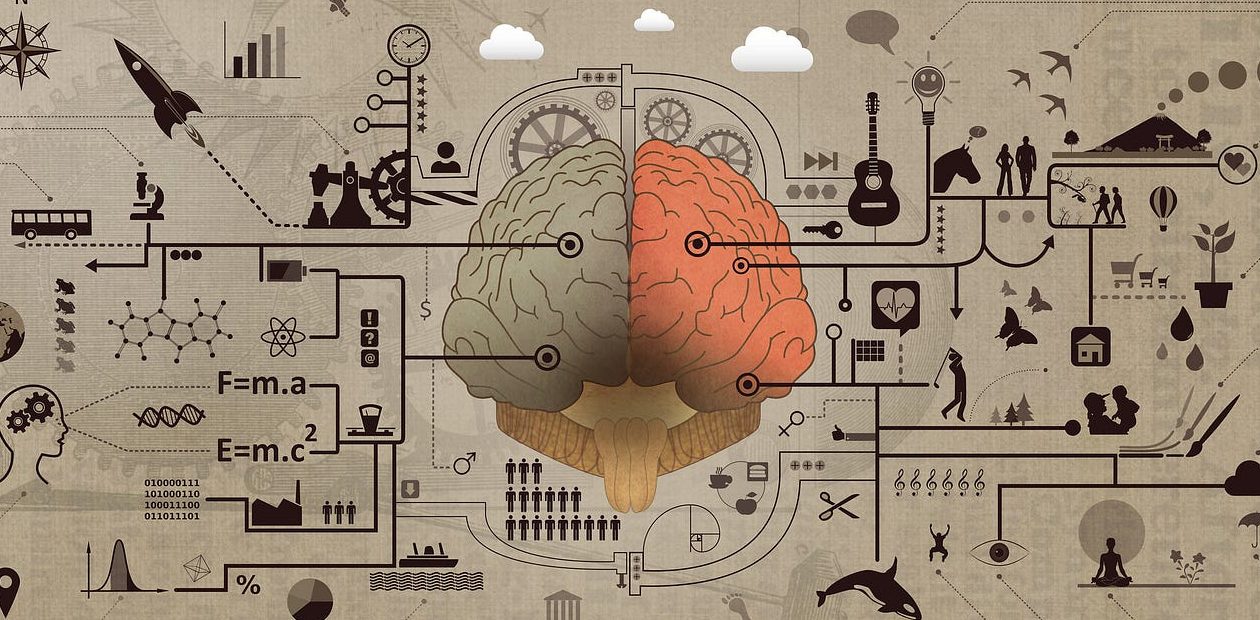


Types of neural networks
There are several types of neural networks, each with its own unique architecture and purpose.
- Feedforward neural networks: These are the simplest type of neural networks, where information flows only in one direction, from the input layer to the output layer. They are commonly used for tasks such as classification and regression.
- Recurrent neural networks (RNNs): Unlike feedforward neural networks, RNNs have connections that allow information to flow in loops. This makes them suitable for tasks that involve sequential data, such as speech recognition and language translation.
- Convolutional neural networks (CNNs): CNNs are designed specifically for analyzing visual data, such as images or videos. They use convolutional layers to extract features from the input data and are widely used in tasks like image classification and object detection.
- Generative adversarial networks (GANs): GANs consist of two neural networks, a generator and a discriminator, that compete against each other. This type of network is used for tasks like generating realistic images or creating synthetic data.
Conclusion
Neural networks are a powerful tool in the field of artificial intelligence. They have the ability to learn and make predictions from complex data, enabling them to solve a wide range of problems. Whether it’s recognizing images, understanding natural language, or playing games, neural networks have revolutionized many industries and continue to advance the field of AI.
They are inspired by the structure and function of the human brain.
Neural networks are a fascinating concept in the field of artificial intelligence. They are computational models that are inspired by the structure and function of the human brain. These networks consist of interconnected nodes, called artificial neurons or simply “neurons,” that work together to process and analyze data.
Similar to how the brain works, neural networks are designed to learn and make decisions based on patterns and experiences. They are trained using large amounts of data, which allows them to recognize complex patterns and make predictions or classifications.
There are various types of neural networks, each with its own unique architecture and purpose. One common type is the feedforward neural network, which consists of layers of neurons. The input layer receives the data, and it is then passed through one or more hidden layers before reaching the output layer.
Another type is the recurrent neural network, which has connections that allow information to flow in loops. This type of network is particularly good at processing sequential data, such as text or time series data.
Applications of Neural Networks
Neural networks have a wide range of applications across different industries. One notable application is in image recognition and computer vision. Neural networks can be trained to recognize objects, faces, and even emotions in images or videos. This has paved the way for advancements in fields such as autonomous vehicles, surveillance systems, and medical imaging.
Another application is natural language processing, where neural networks are used to understand and generate human language. Chatbots and virtual assistants, for example, utilize neural networks to understand user queries and provide relevant responses.
Neural networks also play a crucial role in the field of finance. They can be used for tasks such as stock market prediction, fraud detection, and credit scoring. By analyzing historical data and identifying patterns, neural networks can assist in making informed financial decisions.
The Future of Neural Networks
The potential of neural networks is immense, and we are just scratching the surface of what they can achieve. As technology continues to advance, neural networks are becoming more powerful and efficient. Researchers are constantly exploring new architectures and algorithms to improve their performance.
With the rise of big data and the increasing availability of computing resources, neural networks are poised to revolutionize many industries. They have the potential to solve complex problems, automate tasks, and make our lives easier.
In conclusion, neural networks are a remarkable advancement in artificial intelligence. They mimic the structure and function of the human brain, allowing them to process and analyze data in a similar way. With their wide range of applications and potential for future advancements, neural networks are shaping the future of technology.
Neural networks can be used for various tasks, such as image recognition, natural language processing, and prediction.
Neural networks are a type of machine learning model that is inspired by the structure and function of the human brain. They consist of interconnected nodes, called neurons, which work together to process and analyze data. These networks can be used for a wide range of tasks, including image recognition, natural language processing, and prediction.
One of the key advantages of neural networks is their ability to learn and adapt from experience. They can automatically detect patterns and relationships in large amounts of data, making them particularly useful for tasks that require complex decision-making.
Image Recognition
Neural networks are highly effective in image recognition tasks. By training a neural network on a large dataset of labeled images, it can learn to identify and classify objects or features within an image. This has numerous practical applications, such as facial recognition, object detection, and autonomous driving.
Natural Language Processing
Another area where neural networks excel is natural language processing (NLP). NLP involves the interaction between computers and human language, enabling machines to understand, interpret, and generate human language. Neural networks can be trained on large text datasets to perform tasks such as sentiment analysis, language translation, and chatbot development.
Prediction
Neural networks are also widely used for prediction tasks. By analyzing historical data, a neural network can learn patterns and make predictions about future outcomes. This is particularly useful in fields such as finance, stock market analysis, weather forecasting, and sales forecasting.
There are many companies that are actively using neural networks and other artificial intelligence technologies to develop innovative solutions. Some notable companies in this space include OpenAI, Amazon AI, Meta AI, Google AI, and Microsoft and AI. These companies are leveraging neural networks to create advanced tools and technologies that are revolutionizing various industries.
In conclusion, neural networks are a powerful tool in the field of artificial intelligence. They can be used for tasks such as image recognition, natural language processing, and prediction. With their ability to learn and adapt, neural networks are driving innovation and transforming industries across the globe.
They consist of interconnected nodes, called neurons, which are organized in layers.
A neural network is a type of artificial intelligence model that is inspired by the structure and functioning of the human brain. It consists of interconnected nodes, called neurons, which are organized in layers. These layers can be divided into three main types: the input layer, the hidden layers, and the output layer.
The input layer is responsible for receiving the initial data or input. This data is then processed by the hidden layers, which perform complex calculations and transformations. Finally, the output layer provides the desired output or prediction.
Neural networks are widely used in various fields, including image and speech recognition, natural language processing, and predictive analytics. They are particularly effective in tasks that require pattern recognition and complex decision-making.
One of the key advantages of neural networks is their ability to learn and improve over time. Through a process called training, neural networks adjust the weights and biases of their neurons based on the feedback received. This allows them to adapt to new data and improve their accuracy and performance.
There are different types of neural networks, including feedforward neural networks, recurrent neural networks, and convolutional neural networks. Each type has its own unique structure and is suited for specific tasks.
Companies in the software industry, such as OpenAI, Amazon AI, Meta AI, Google AI, and Microsoft, have invested heavily in neural networks and are using them to develop innovative products and services. These companies are leveraging the power of neural networks to create advanced chatbots, improve search algorithms, and enhance customer experiences.
In conclusion, neural networks are a powerful tool in the field of artificial intelligence. They mimic the functioning of the human brain and can perform complex tasks such as image recognition and natural language processing. With advancements in technology and the increasing availability of data, neural networks are expected to play a crucial role in shaping the future of AI.
Each neuron receives inputs, performs calculations, and produces an output.
Neural networks are a fundamental concept in the field of artificial intelligence. They are designed to mimic the way the human brain works, allowing computers to learn and make decisions based on patterns and data.
Neural networks consist of interconnected nodes called neurons. Each neuron receives inputs, performs calculations, and produces an output. These outputs are then passed on to other neurons, creating a network of interconnected information processing units.
Neural networks are used in a wide range of applications, such as image recognition, natural language processing, and autonomous vehicles. They have the ability to learn from data and improve their performance over time, making them a powerful tool in the field of artificial intelligence.
The Structure of a Neural Network
A neural network is composed of several layers, including an input layer, one or more hidden layers, and an output layer. The input layer receives the initial data, which is then passed through the hidden layers where the calculations and transformations occur. Finally, the output layer produces the desired output based on the processed information.
Each neuron in a neural network is connected to other neurons through weighted connections. These weights determine the strength of the connection between neurons and are adjusted during the training process to optimize the network’s performance.
Training a Neural Network
To train a neural network, a large dataset is used. This dataset consists of input data and corresponding output data, also known as labeled data. The neural network is then fed with this data, and its weights are adjusted iteratively to minimize the difference between the predicted output and the actual output.
Training a neural network requires a lot of computational power and time. However, once a neural network is trained, it can be used to make predictions on new, unseen data with high accuracy.
Applications of Neural Networks
Neural networks have revolutionized many industries, including healthcare, finance, and transportation. In healthcare, they are used for disease diagnosis and drug discovery. In finance, they are used for stock market prediction and fraud detection. In transportation, they are used for autonomous vehicle control and traffic prediction.
Companies like OpenAI, Amazon AI, Meta AI, Google AI, and Microsoft are investing heavily in neural networks and artificial intelligence. These companies are developing cutting-edge technologies and tools that leverage the power of neural networks to solve complex problems.
In conclusion, neural networks are a key component of artificial intelligence. They mimic the way the human brain works and are capable of learning and making decisions based on patterns and data. With their ability to process large amounts of information and make accurate predictions, neural networks have the potential to revolutionize various industries and improve our daily lives.
Frequently Asked Questions
What is a neural network?
A neural network is a type of machine learning model inspired by the human brain that is capable of learning and making predictions based on patterns in data.
How does a neural network work?
A neural network consists of interconnected layers of artificial neurons that process input data, apply weights to the data, and produce an output. Through a process called backpropagation, the network adjusts its weights to minimize the difference between the predicted output and the actual output.
What are the applications of neural networks?
Neural networks have a wide range of applications, including image and speech recognition, natural language processing, financial forecasting, and autonomous vehicles.
What are the advantages of using neural networks?
Some advantages of neural networks include their ability to learn from large amounts of data, handle complex patterns, and make accurate predictions. They can also adapt to changing conditions and learn from experience.