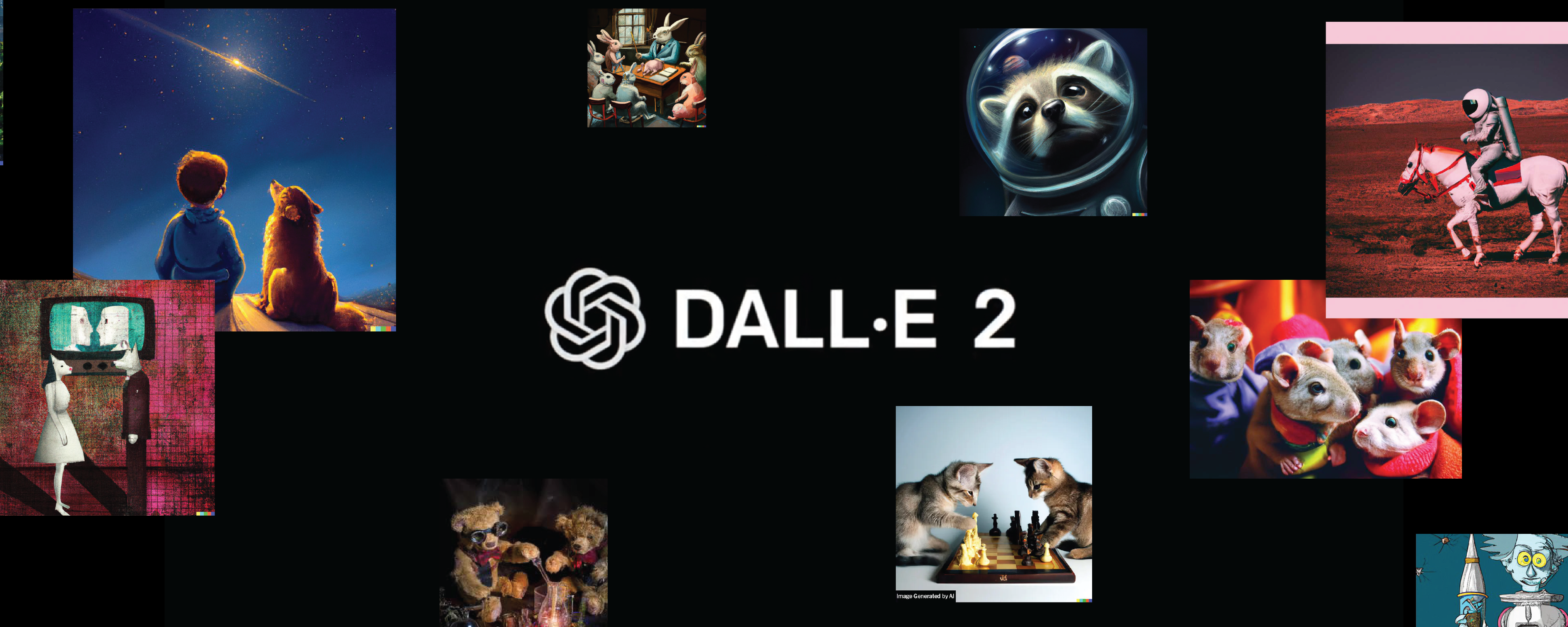
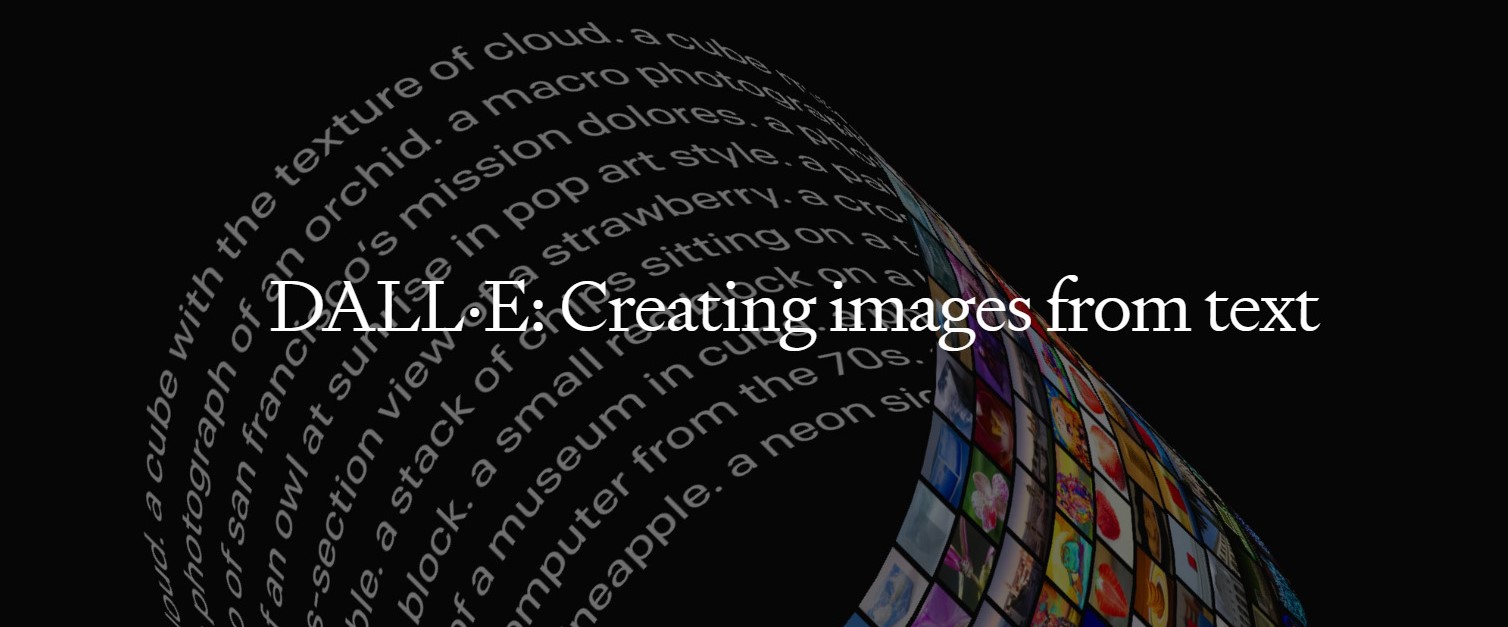
In recent years, OpenAI’s Dall-E has emerged as a groundbreaking tool in the world of artificial intelligence, offering unparalleled capabilities in generating images from textual descriptions. This innovative technology has captured the imagination of artists, designers, and creatives, enabling them to explore new realms of artistic expression and digital creation.
The Genesis of Dall-E
Dall-E’s journey began with OpenAI’s mission to push the boundaries of AI technology. Named as a playful blend of the famous surrealist artist Salvador Dalí and the animated character WALL-E, Dall-E was designed to combine artistic creativity with machine learning efficiency. Its core functionality revolves around understanding and interpreting textual prompts to generate corresponding images, showcasing a remarkable blend of technical precision and creative flair.
How Dall-E Works
At its heart, Dall-E operates on advanced algorithms and neural networks. It leverages a variant of the Generative Pre-trained Transformer 3 (GPT-3), OpenAI’s powerful language model. This enables Dall-E to comprehend complex and nuanced text descriptions and translate them into visual representations. The process involves a deep understanding of both the elements and the context of the given text, ensuring that the output is not just accurate but also creatively aligned with the prompt.
Impact on Creative Industries
The implications of Dall-E for creative industries are profound. It has opened up new avenues for graphic designers, illustrators, and digital artists, providing a tool that complements human creativity. With Dall-E, ideas can be visualized almost instantly, offering a new form of brainstorming where visuals can be iteratively refined through simple textual edits. This efficiency in conceptualization and design is transforming workflows in advertising, media, and entertainment.
Ethical Considerations and Future Potential
As with any advanced AI technology, Dall-E raises important ethical considerations. Issues around copyright, originality, and the potential for misuse are at the forefront of discussions among tech ethicists and creatives alike. OpenAI has been proactive in addressing these concerns, implementing safeguards and guidelines to ensure responsible use of the technology.
Looking ahead, Dall-E’s potential is vast. Its ongoing development could see improvements in realism, diversity, and complexity of generated images. There’s also the exciting prospect of Dall-E integrating with other AI systems, leading to more holistic and multifaceted creative solutions.
Conclusion
Dall-E by OpenAI represents a significant milestone in the journey of artificial intelligence. By bridging the gap between textual descriptions and visual creations, it has not only showcased the power of AI in understanding and executing creative tasks but also opened a new chapter in the collaboration between humans and machines in the realm of artistic expression. As this technology evolves, it promises to further reshape the landscape of digital creativity and design.