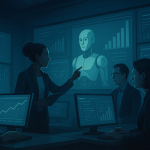

As technology continues to advance at a rapid pace, automation and artificial intelligence are becoming increasingly prevalent in various industries. One area where these advancements are particularly noticeable is in the use of co-bots, or collaborative robots, and artificial intelligence.
In this article, we will explore the concept of co-bots and how they are revolutionizing the workplace. We will also delve into the role of artificial intelligence in enhancing the capabilities of these co-bots, making them more efficient and versatile. Additionally, we will discuss the potential benefits and challenges that come with the integration of co-bots and artificial intelligence in different sectors.
Cobots and AI can work together to increase productivity and efficiency in various industries.
Co-bots, also known as collaborative robots, are designed to work alongside humans in a shared workspace. These robots are equipped with artificial intelligence (AI) capabilities, which enable them to perform tasks autonomously and learn from their interactions with humans.
One of the key advantages of using co-bots is their ability to enhance productivity and efficiency in industries such as manufacturing, logistics, and healthcare. With the integration of AI, co-bots can analyze and process vast amounts of data in real-time, making them ideal for repetitive and labor-intensive tasks.
For example, in manufacturing, co-bots can assist human workers in assembling products, handling materials, and performing quality control checks. They can also be programmed to adapt to changes in the production line, ensuring smooth operations and reducing downtime.
In the logistics industry, co-bots can optimize warehouse operations by autonomously picking and packing items, tracking inventory, and even collaborating with autonomous vehicles for efficient transportation. This not only speeds up the fulfillment process but also minimizes errors and improves overall customer satisfaction.
In healthcare, co-bots can support medical professionals by performing tasks such as sterilizing equipment, delivering medications, and monitoring patients. AI-powered co-bots can analyze patient data and provide valuable insights to healthcare providers, enabling them to make more informed decisions and improve patient outcomes.
Related Posts



Furthermore, the collaboration between co-bots and AI can lead to safer working environments. Co-bots are designed with built-in sensors and advanced algorithms that allow them to detect and avoid obstacles, ensuring the safety of both humans and machines. AI algorithms can also analyze data from multiple sensors to identify potential risks and take preventive measures.
It is important to note that while co-bots and AI can greatly enhance productivity and efficiency, they are not intended to replace human workers. Instead, they are meant to complement human skills and expertise, allowing humans to focus on more complex and creative tasks.
In conclusion, the integration of co-bots and AI has the potential to revolutionize various industries by increasing productivity, efficiency, and safety. By leveraging the capabilities of AI-powered co-bots, companies can streamline their operations, reduce costs, and improve overall performance. As technology continues to advance, we can expect to see even more innovative applications of co-bots and AI in the future.
Cobots can assist humans in performing repetitive or physically demanding tasks, reducing the risk of injuries.
Co-bots, or collaborative robots, are machines designed to work alongside humans in a shared workspace. They are equipped with artificial intelligence (AI), which enables them to perform various tasks with minimal human intervention. Co-bots are becoming increasingly popular in industries such as manufacturing, healthcare, and logistics.
One of the main advantages of co-bots is their ability to assist humans in performing repetitive or physically demanding tasks. This can help reduce the risk of injuries and improve overall productivity. For example, in manufacturing, co-bots can handle repetitive assembly tasks, freeing up human workers to focus on more complex and creative aspects of their job.
Co-bots are also equipped with advanced sensors and AI algorithms, allowing them to adapt to their environment and work collaboratively with humans. They can detect and respond to human presence, ensuring safety in the workspace. This makes them ideal for tasks that require close collaboration between humans and machines.
Moreover, co-bots can be easily programmed and reprogrammed to perform different tasks, making them highly versatile. This flexibility allows companies to adapt to changing production needs and optimize their operations. With the help of AI, co-bots can also learn from their interactions with humans and improve their performance over time.
It’s important to note that co-bots are not meant to replace human workers, but rather to complement their capabilities. They can handle repetitive and physically demanding tasks, while humans can focus on tasks that require creativity, problem-solving, and decision-making.
In conclusion, co-bots equipped with artificial intelligence have the potential to revolutionize various industries by enhancing productivity, improving safety, and enabling efficient collaboration between humans and machines. As technology continues to advance, we can expect to see more companies adopting co-bots as valuable assets in their workforce.
AI can analyze large amounts of data and provide valuable insights for decision-making.
Artificial Intelligence (AI) has revolutionized the way businesses operate and make decisions. With its ability to analyze large amounts of data and provide valuable insights, AI has become an indispensable tool for companies across various industries.
One of the applications of AI that has gained significant attention is the use of co-bots. Co-bots, short for collaborative robots, are robots designed to work alongside humans in a collaborative manner. These robots are equipped with AI capabilities that enable them to perform tasks that require precision, speed, and efficiency.
Co-bots are being used in various industries, including manufacturing, healthcare, and logistics. In manufacturing, co-bots are used to assist human workers in tasks such as assembly, packaging, and quality control. They can perform repetitive and physically demanding tasks with great accuracy, reducing the risk of human error and increasing productivity.
In healthcare, co-bots are being used to assist doctors and nurses in tasks such as patient monitoring, medication dispensing, and surgical procedures. These robots can analyze patient data, detect abnormalities, and provide real-time feedback to healthcare professionals, enabling them to make informed decisions and provide better care to patients.
In the logistics industry, co-bots are used to optimize warehouse operations. They can navigate through the warehouse, pick and pack items, and even collaborate with human workers to complete complex tasks. With their AI capabilities, co-bots can analyze inventory data, optimize routes, and improve overall efficiency in the supply chain.
The use of co-bots and AI in these industries has not only improved efficiency and productivity but also enhanced worker safety. By taking over repetitive and physically demanding tasks, co-bots reduce the risk of injuries to human workers, allowing them to focus on more complex and value-added activities.
In conclusion, the combination of co-bots and AI has proven to be a game-changer in various industries. These robots not only enhance productivity and efficiency but also improve worker safety. As technology continues to advance, we can expect to see more innovative applications of co-bots and AI in the future.
Cobots and AI can enhance quality control processes by detecting defects or anomalies in real-time.
Co-bots, also known as collaborative robots, are robots designed to work alongside humans to enhance productivity and efficiency in various industries. When combined with artificial intelligence (AI), co-bots can revolutionize quality control processes by detecting defects or anomalies in real-time.
Traditionally, quality control processes required manual inspection, which could be time-consuming and prone to human error. However, with the integration of AI, co-bots can analyze data and images with incredible speed and accuracy, allowing for quicker and more reliable defect detection.
One way co-bots and AI can enhance quality control is through visual inspection. By using advanced imaging technologies and AI algorithms, co-bots can examine products for imperfections, such as scratches, dents, or misalignments. They can compare the product against predefined standards and flag any deviations, ensuring that only products of the highest quality reach the market.
Furthermore, co-bots equipped with AI can also detect anomalies in complex manufacturing processes. They can monitor various parameters, such as temperature, pressure, or vibration, and identify any abnormalities that may indicate a potential defect. This real-time monitoring allows for immediate intervention, minimizing the risk of producing faulty products and reducing downtime.
Another advantage of using co-bots and AI in quality control is their ability to learn and adapt. Through machine learning algorithms, co-bots can continuously improve their defect detection capabilities by analyzing data from previous inspections. This enables them to become more accurate over time, ensuring consistent and reliable quality control.
In conclusion, the combination of co-bots and AI has the potential to revolutionize quality control processes in various industries. By leveraging the speed, accuracy, and learning capabilities of AI, co-bots can enhance defect detection, improve product quality, and increase overall productivity. As technology continues to advance, we can expect to see even more sophisticated co-bots and AI systems that further optimize quality control processes.
Cobots and AI can improve customer service by providing personalized recommendations or responses.
Co-bots, also known as collaborative robots, are a type of robot designed to work alongside humans in a shared workspace. These robots are equipped with artificial intelligence (AI) capabilities, which enable them to perform tasks autonomously and interact with humans in a more natural and intuitive way.
One area where co-bots and AI can have a significant impact is customer service. With the ability to analyze large amounts of data and understand customer preferences, co-bots can provide personalized recommendations or responses to customers, enhancing their overall experience.
Personalized Recommendations
Imagine visiting an online shopping website and having a co-bot analyze your browsing history, purchase patterns, and preferences. Based on this information, the co-bot can then provide you with personalized product recommendations that are tailored to your individual needs and interests. This not only saves you time and effort in searching for relevant products but also increases the chances of finding something that truly matches your preferences.
Furthermore, co-bots can continuously learn from customer feedback and adapt their recommendations accordingly. This means that the more you interact with the co-bot, the better it becomes at understanding your preferences and providing accurate recommendations.
Intelligent Responses
In addition to personalized recommendations, co-bots can also be programmed to understand and respond to customer inquiries or issues. Using natural language processing and machine learning algorithms, co-bots can analyze customer queries and provide intelligent responses in real-time.
For example, if a customer contacts a company’s customer service department with a specific question or problem, the co-bot can quickly analyze the query and provide a relevant and helpful response. This not only improves response times but also ensures that customers receive accurate and consistent information.
Moreover, co-bots can handle multiple customer inquiries simultaneously, eliminating the need for customers to wait in long queues or be put on hold. This improves overall customer satisfaction and reduces the workload on human customer service agents.
Conclusion
In conclusion, co-bots and AI have the potential to revolutionize customer service by providing personalized recommendations and intelligent responses. By leveraging the power of AI, companies can enhance the customer experience, increase customer satisfaction, and streamline their customer service operations.
At Artificial Plaza, we provide information about the latest AI technologies, tools, and companies in the industry. Visit our website to learn more about how AI is transforming various sectors and discover the advancements made by companies like OpenAI, Amazon AI, Meta AI, Google AI, and Microsoft and AI. You can also explore our chatbot section to understand how AI-powered chatbots are improving customer interactions.
Frequently Asked Questions
1. What is a co-bot?
A co-bot is a collaborative robot designed to work alongside humans, assisting them in their tasks.
2. What is artificial intelligence (AI)?
Artificial intelligence refers to the ability of machines to mimic human intelligence and perform tasks that typically require human intelligence.
3. How can co-bots benefit industries?
Co-bots can increase productivity, improve efficiency, and enhance worker safety in industries by automating repetitive tasks and working collaboratively with humans.
4. Can co-bots replace human workers?
No, co-bots are designed to assist humans, not replace them. They are meant to work alongside humans, complementing their skills and improving overall productivity.