Google Bard, developed by Google, is a generative AI chatbot based on advanced language models like LaMDA and later PaLM.
Launched in response to the rising popularity of OpenAI’s ChatGPT, Bard was released in a limited capacity in March 2023 and later expanded to other countries in May.
Initially developed using LaMDA, Bard transitioned to the more advanced PaLM (Pathways Language Model) to compete effectively in the generative AI industry.
Origins and Development
Bard was born out of Google’s strategic response to the success of ChatGPT.
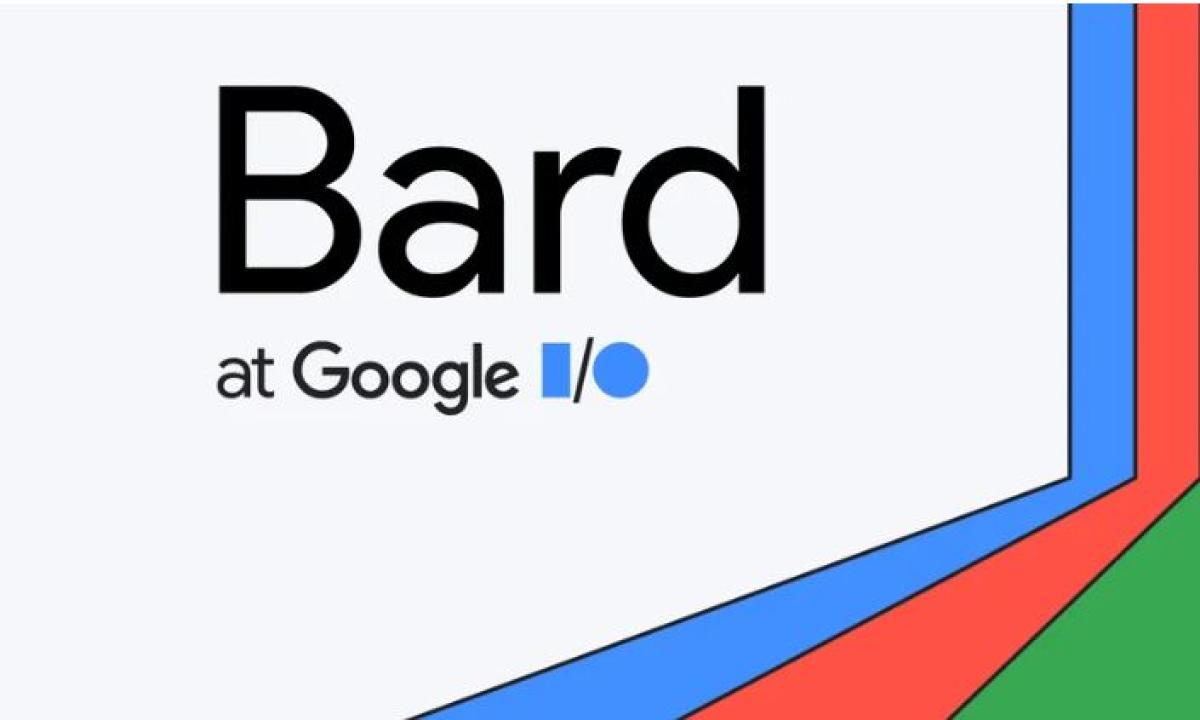
Alarmed by ChatGPT’s potential threat to Google Search, Google’s executives, including CEO Sundar Pichai, mobilized resources to accelerate Bard’s development. Bard took the spotlight during the Google I/O keynote in May 2023, showcasing its capabilities and Google’s commitment to AI development.
Transition to PaLM 2
Initially, Bard was powered by LaMDA, but it lagged in performance compared to GPT-3.5.
Google then upgraded Bard to PaLM 2, which leverages Google’s AI framework to teach machine learning models various tasks. PaLM 2 is trained on a more diverse corpus of data, including human and programming languages, mathematical equations, scientific papers, and web pages. This diversity enables PaLM 2 to deliver enhanced coding expertise, logical reasoning, and mathematical abilities.
Related Posts



Unique Features of Bard
One of the distinguishing features of Bard is its internet access capability.
Bard can browse Google to provide accurate and real-time responses to users’ queries. This feature is enhanced with a “Google it” button, allowing users to search for information directly within Bard. This functionality sets Bard apart from other chatbots by enabling it to provide more up-to-date and relevant information.
Introduction to Gemini AI
When Google has unveiled Gemini AI, a groundbreaking large language model (LLM) designed to outperform its predecessors in both power and capability, things have become even more interesting.
This advanced model is available in three distinct versions: Nano, Pro, and Ultra, each tailored to meet specific user needs.
- Three-Tiered Approach for Varied User Requirements
- Nano: Optimized for swift, on-device tasks.
- Pro: A versatile middle-tier option suitable for a broad range of applications.
- Ultra: The most powerful version, currently undergoing safety checks and expected to release next year.
- Enhanced Features on Pixel 8 Pro with Gemini Nano
- Gemini Nano is integrated into the Pixel 8 Pro, offering advanced features such as summarization in the Recorder app and Smart Reply on Gboard, initially paired with WhatsApp.
- Gemini Pro’s Free Access within Bard
- Users can now experience Gemini Pro for free within Bard, giving them access to its advanced text-based capabilities.
- Integration of Gemini with Bard Chatbot
- The combination of Gemini with Bard enhances the chatbot’s ability to understand user intent, leading to more accurate and high-quality responses. Gemini’s multimodal processing capabilities allow Bard to handle various formats like text, images, audio, and video.
- How to Use Gemini Pro in Bard: A Step-by-Step Guide
- Visit Bard’s Website: Use a web browser to navigate to the Bard website.
- Log In with Google Account: Sign in using Google account credentials.
- Enjoy Enhanced Bard Experience: Experience the improved features of Gemini Pro within Bard for a more interactive chat experience.
- Limitations of Gemini in Bard
- Gemini Pro within Bard is currently available only in English, limiting its global reach. Its integration within Bard is still in its nascent stages, with further enhancements expected.
- Future Expectations: Multimedia Interaction and Global Expansion
- Currently, only the text-based version of Gemini Pro is available in Bard. Google plans to expand the capabilities of Gemini to include multimedia interactions and overcome language and geographical barriers for wider accessibility.
Conclusion
Google Bard represents a significant stride in AI chatbot technology.
Its development from LaMDA to PaLM 2 and now Gemini demonstrates Google’s commitment to advancing AI capabilities. With features like internet access and the ability to process diverse data sets, Bard stands out as a powerful tool in the realm of AI chatbots, offering users a more dynamic and informative conversational experience.
The continuous improvements and integration of advanced technologies highlight Bard’s potential to evolve and redefine the landscape of AI-driven digital interaction.