
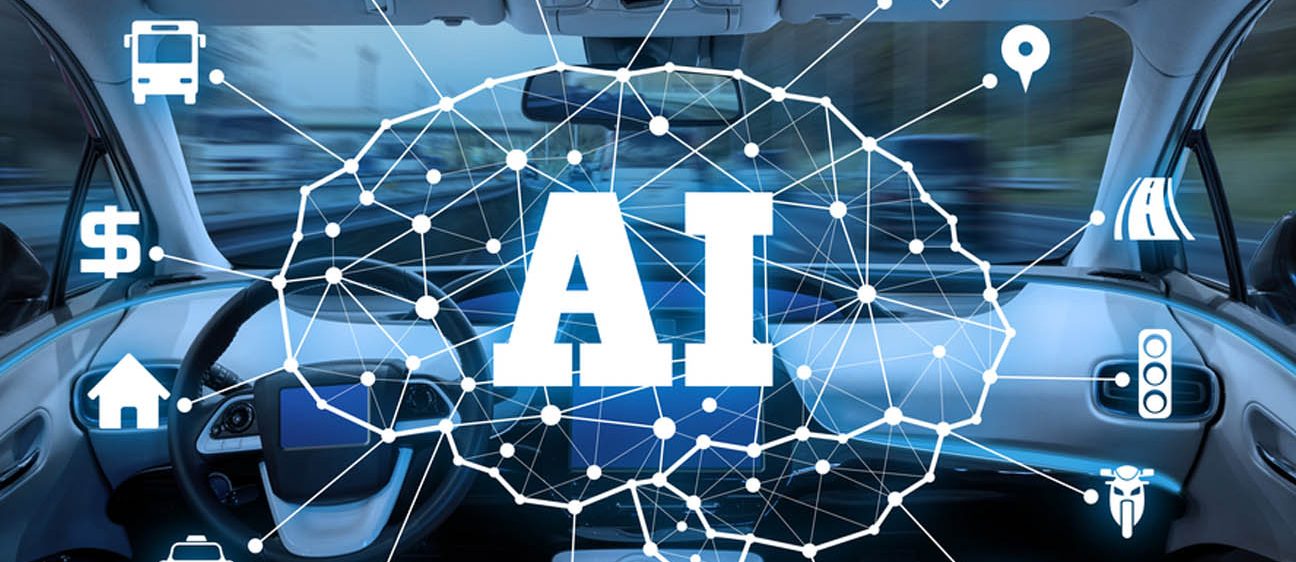
In recent years, there has been a significant advancement in autonomous vehicles and artificial intelligence (AI) technology. Autonomous vehicles, also known as self-driving cars, have the potential to revolutionize the transportation industry and change the way we commute. AI, on the other hand, is a branch of computer science that focuses on creating intelligent machines that can perform tasks that typically require human intelligence.
In this article, we will explore the intersection between autonomous vehicles and AI. We will discuss how AI technology is being utilized in autonomous vehicles to enable them to navigate and make decisions on their own. Additionally, we will examine the potential benefits and challenges of autonomous vehicles, as well as the impact they may have on various industries and society as a whole. So, let’s dive into the fascinating world of autonomous vehicles and AI!
Autonomous vehicles use artificial intelligence to navigate and make decisions on the road.
Autonomous vehicles, also known as self-driving cars, are revolutionizing the transportation industry. These vehicles are equipped with advanced technologies that allow them to navigate and make decisions on the road without human intervention. One of the key technologies behind autonomous vehicles is artificial intelligence (AI).
AI is a branch of computer science that focuses on creating intelligent machines capable of performing tasks that typically require human intelligence. In the case of autonomous vehicles, AI plays a crucial role in enabling them to analyze and interpret data from various sensors, such as cameras, radar, and lidar, to understand their surroundings and make informed decisions.
The Role of AI in Autonomous Vehicles
AI algorithms are responsible for processing the vast amount of data collected by the sensors in real-time. These algorithms use machine learning techniques to train the autonomous vehicles to recognize different objects, such as pedestrians, other vehicles, traffic signs, and obstacles. By continuously analyzing and learning from this data, the AI algorithms improve the vehicle’s ability to perceive and react to its environment.
One of the main challenges in developing autonomous vehicles is ensuring their ability to navigate safely and efficiently. AI algorithms help address this challenge by enabling the vehicles to plan and execute complex maneuvers, such as changing lanes, merging into traffic, and navigating through intersections. These algorithms take into account various factors, including traffic conditions, road rules, and the vehicle’s destination, to make optimal decisions in real-time.
- Tools: Artificial Plaza provides a wide range of tools for AI development and implementation. These tools can assist developers in creating and testing AI algorithms for autonomous vehicles. Check out their tools section for more information.
- Technologies: To stay up to date with the latest advancements in autonomous vehicles and AI, visit Artificial Plaza’s technologies page.
Companies Leading the Way in Autonomous Vehicles
Several companies are at the forefront of developing autonomous vehicles and advancing AI technologies. These companies are investing heavily in research and development to make autonomous vehicles a reality. Some of the notable companies in this field include:
Related Posts



- OpenAI: OpenAI is an AI research laboratory that focuses on developing safe and beneficial AI technologies. Learn more about their contributions to the field of autonomous vehicles on Artificial Plaza’s OpenAI page.
- Amazon AI: Amazon is not only a leading e-commerce platform but also a major player in the AI field. Their AI technologies are making significant contributions to the development of autonomous vehicles. Find out more on Artificial Plaza’s Amazon AI page.
- Meta AI: Meta AI is a company dedicated to creating advanced AI technologies for various industries, including autonomous vehicles. Discover more about their innovations on Artificial Plaza’s Meta AI page.
- Google AI: Google is known for its cutting-edge AI technologies, and they are actively involved in the development of autonomous vehicles. Learn about their contributions on Artificial Plaza’s Google AI page.
- Microsoft and AI: Microsoft is another major player in the AI field, and they have made significant advancements in autonomous vehicle technologies. Explore more on Artificial Plaza’s Microsoft and AI page.
With the continuous advancements in AI and autonomous vehicle technologies, we can expect to see more self-driving cars on the roads in the near future. These vehicles have the potential to improve road safety, reduce traffic congestion, and enhance transportation efficiency. Stay informed about the latest developments in autonomous vehicles and AI by visiting Artificial Plaza’s website.
Don’t forget to also check out Artificial Plaza’s chatbot page to learn more about AI-powered conversational agents.
AI algorithms in autonomous vehicles analyze data from sensors to detect and respond to their surroundings.
Autonomous vehicles, also known as self-driving cars, are a fascinating application of artificial intelligence (AI) technology. These vehicles are equipped with a variety of sensors, such as cameras, lidar, radar, and GPS, that collect data about their surroundings. This data is then processed and analyzed by AI algorithms to make informed decisions and navigate safely on the roads.
The Role of AI in Autonomous Vehicles
AI plays a crucial role in autonomous vehicles by enabling them to perceive and understand the world around them. Through advanced computer vision techniques, AI algorithms can identify and classify objects, such as pedestrians, vehicles, traffic signs, and road markings. This allows the autonomous vehicle to make real-time decisions based on the detected objects and their behavior.
Furthermore, AI algorithms can also predict the future movements of objects and anticipate potential hazards. For example, if a pedestrian is about to cross the road, the AI algorithm can analyze their trajectory and determine if it’s safe to continue driving or if the vehicle needs to slow down or stop.
Machine Learning and Training Data
Machine learning is a key component of AI in autonomous vehicles. These vehicles are trained using large datasets that contain examples of various driving scenarios. The AI algorithms learn from these datasets to recognize patterns and make predictions based on the input data.
The training data for autonomous vehicles includes images, videos, and sensor data collected from real-world driving situations. For example, the AI algorithm can be trained to recognize different types of traffic signs by analyzing thousands of images of signs from different angles, lighting conditions, and weather conditions.
Challenges and Future Developments
While AI has made significant advancements in autonomous vehicles, there are still challenges that need to be overcome. One major challenge is ensuring the safety and reliability of the AI algorithms. Autonomous vehicles must be able to make accurate decisions in complex and unpredictable situations, such as heavy traffic or adverse weather conditions.
Another challenge is the integration of autonomous vehicles into existing transportation systems. This requires collaboration between AI developers, policymakers, and transportation authorities to establish guidelines and regulations for the safe deployment of autonomous vehicles on public roads.
In conclusion, AI algorithms play a vital role in the development and operation of autonomous vehicles. They enable these vehicles to perceive their surroundings, make informed decisions, and navigate safely. As AI technology continues to advance, we can expect further improvements in the capabilities of autonomous vehicles, making them an integral part of our future transportation systems.
Autonomous vehicles can reduce accidents by eliminating human error.
Autonomous vehicles, also known as self-driving cars, are becoming a reality thanks to advancements in Artificial Intelligence (AI). These vehicles are equipped with sensors, cameras, and AI algorithms that allow them to navigate and make decisions on their own, without human intervention.
One of the main advantages of autonomous vehicles is their ability to reduce accidents caused by human error. According to the National Highway Traffic Safety Administration (NHTSA), human error is a factor in 94% of all traffic accidents. By eliminating human drivers, autonomous vehicles can significantly reduce the number of accidents on our roads.
Autonomous vehicles use AI algorithms to analyze data from their sensors and cameras, allowing them to detect and respond to potential hazards much faster than human drivers. They can also communicate with each other, sharing information about road conditions, traffic, and obstacles, further enhancing their ability to avoid accidents.
In addition to reducing accidents, autonomous vehicles can also improve traffic flow and reduce congestion. AI algorithms can optimize routes and adjust speeds based on real-time data, ensuring that vehicles move smoothly and efficiently. This can result in shorter travel times and less time spent stuck in traffic.
Furthermore, autonomous vehicles have the potential to increase accessibility and mobility for people with disabilities or those who are unable to drive. With self-driving cars, these individuals can regain their independence and have the freedom to travel whenever they want, without relying on others for transportation.
However, it is important to note that the development and deployment of autonomous vehicles also raise concerns and challenges. Safety is a major concern, as there have been incidents involving autonomous vehicles that have raised questions about their reliability and ability to handle unexpected situations.
Regulations and policies also need to be established to ensure the safe and responsible use of autonomous vehicles. Issues such as liability in case of accidents, data privacy, and ethical considerations need to be addressed to build public trust in this technology.
In conclusion, autonomous vehicles powered by AI have the potential to revolutionize transportation by reducing accidents, improving traffic flow, and increasing accessibility. However, it is crucial to address safety concerns and establish regulations to ensure the responsible and ethical use of this technology.
AI enables autonomous vehicles to adapt to changing road conditions and traffic patterns.
Autonomous vehicles, also known as self-driving cars, are revolutionizing the transportation industry. These vehicles are equipped with advanced technologies that allow them to navigate and operate without human intervention. One of the key technologies that enables autonomous vehicles is Artificial Intelligence (AI).
AI plays a crucial role in enabling autonomous vehicles to adapt to changing road conditions and traffic patterns. With the help of AI algorithms and machine learning, these vehicles can analyze and interpret data from various sensors, cameras, and GPS systems to make informed decisions in real-time.
Autonomous vehicles use AI to perceive their surroundings and understand the environment they are operating in. They can detect and recognize objects, such as other vehicles, pedestrians, and traffic signs, using computer vision and image processing techniques. This allows them to navigate through complex traffic scenarios and make safe driving decisions.
AI also enables autonomous vehicles to predict and anticipate potential hazards on the road. By analyzing historical data and patterns, these vehicles can identify potential risks, such as sudden lane changes, pedestrian crossings, or even unpredictable behavior of other drivers. This helps them to take proactive measures and avoid accidents.
Furthermore, AI allows autonomous vehicles to learn and improve their driving capabilities over time. Through continuous data collection and analysis, these vehicles can adapt their driving behavior based on different road conditions, weather conditions, and traffic patterns. This means that they can become more efficient and safer drivers with each trip.
In conclusion, AI is a critical component in the development of autonomous vehicles. It enables these vehicles to adapt to changing road conditions, perceive their surroundings, predict potential hazards, and continuously improve their driving capabilities. With further advancements in AI technology, we can expect autonomous vehicles to become even more reliable and widespread in the future.
Autonomous vehicles can improve traffic flow and reduce congestion.
Autonomous vehicles, also known as self-driving cars, have emerged as one of the most promising applications of Artificial Intelligence (AI) in recent years. These vehicles are equipped with advanced sensors, cameras, and AI algorithms that enable them to navigate and operate without human intervention.
One of the key benefits of autonomous vehicles is their potential to improve traffic flow and reduce congestion on our roads. With AI-powered systems, these vehicles can communicate with each other and make real-time decisions to optimize their routes, speed, and spacing. This allows for more efficient use of road space and smoother traffic flow.
Imagine a scenario where autonomous vehicles are the norm. Instead of drivers making individual decisions that can lead to traffic jams and bottlenecks, AI algorithms can coordinate the movement of vehicles, ensuring a steady and continuous flow of traffic. This could significantly reduce travel times and make our roads safer and more efficient.
Moreover, autonomous vehicles can also help reduce congestion by minimizing the need for parking spaces. With the ability to drop off passengers and continue on their own, these vehicles can eliminate the need for drivers to search for parking, freeing up valuable space in cities.
The potential impact on the economy and the environment
The impact of autonomous vehicles goes beyond just improving traffic flow. The widespread adoption of self-driving cars could have significant economic and environmental implications.
Firstly, autonomous vehicles have the potential to revolutionize the transportation industry. With the ability to operate 24/7 and optimize routes, these vehicles can increase the efficiency of delivery services and reduce transportation costs for businesses. This could lead to increased productivity and economic growth.
Secondly, autonomous vehicles are expected to be more fuel-efficient compared to traditional cars. With AI algorithms constantly optimizing speed and route choices, these vehicles can minimize fuel consumption and reduce greenhouse gas emissions. This could contribute to a greener and more sustainable future.
The challenges and considerations
While the potential benefits of autonomous vehicles are promising, there are also challenges and considerations that need to be addressed.
One of the main concerns is the safety of autonomous vehicles. AI algorithms are not perfect and can make mistakes. Ensuring the reliability and safety of these vehicles is crucial to prevent accidents and protect passengers and pedestrians.
Another challenge is the legal and regulatory framework surrounding autonomous vehicles. As this technology evolves, governments need to establish guidelines and standards to ensure the safe and ethical use of autonomous vehicles on our roads.
Lastly, the widespread adoption of autonomous vehicles could also have social and economic implications. The displacement of jobs in the transportation industry and the potential impact on public transportation systems need to be carefully considered and addressed.
In conclusion
Autonomous vehicles powered by AI have the potential to revolutionize our transportation systems and improve traffic flow. Their ability to communicate and make real-time decisions can lead to more efficient use of road space and reduced congestion. Furthermore, the economic and environmental benefits of autonomous vehicles make them an exciting prospect for the future. However, it is important to address the challenges and considerations surrounding the safety, regulation, and societal impact of autonomous vehicles. With careful planning and collaboration, we can harness the power of AI to create a future where transportation is safer, more efficient, and sustainable.
Frequently Asked Questions
1. How do autonomous vehicles work?
Autonomous vehicles use a combination of sensors, cameras, and AI algorithms to perceive the environment, make decisions, and control the vehicle without human intervention.
2. Are autonomous vehicles safe?
Autonomous vehicles have the potential to be safer than human-driven vehicles as they eliminate the risk of human error. However, further testing and development is needed to ensure their safety.
3. Can autonomous vehicles operate in all weather conditions?
Autonomous vehicles currently face challenges in extreme weather conditions such as heavy rain or snow, which can affect their sensors and navigation systems. However, ongoing advancements aim to improve their performance in adverse weather.
4. How will autonomous vehicles impact the job market?
The widespread adoption of autonomous vehicles may lead to job displacement in certain industries such as transportation and delivery. However, new job opportunities may arise in areas such as AI development, vehicle maintenance, and fleet management.