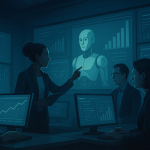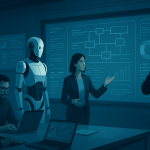

Artificial humans, also known as humanoid robots or androids, have long been a subject of fascination in science fiction. These human-like machines have captured the imagination of people for centuries, with stories and movies depicting their creation and interaction with humans. But in recent years, the concept of artificial humans has moved beyond the realm of fiction and into the realm of reality, as advancements in technology and robotics have made it possible to create human-like robots with advanced capabilities.
In this article, we will explore the concept of artificial humans and the process of creating them. We will delve into the various technologies and techniques used to design and develop humanoid robots, including the use of artificial intelligence, sensors, and actuators. Additionally, we will discuss the potential applications and implications of artificial humans in various fields, such as healthcare, entertainment, and industry. Join us as we take a closer look at the fascinating world of artificial humans and the future they hold.
An artificial human is a humanoid entity created through advanced technology.
An artificial human is a humanoid entity created through advanced technology. It is designed to mimic human behavior, appearance, and intelligence. The concept of an artificial human has fascinated scientists, researchers, and science fiction enthusiasts for decades.
The creation process of an artificial human involves a combination of various technologies, including artificial intelligence (AI), robotics, and biotechnology. These technologies work together to replicate the complex functions and characteristics of a human being.
One of the key components in creating an artificial human is artificial intelligence. AI allows the humanoid entity to learn, adapt, and make decisions based on its surroundings. It is the intelligence behind the artificial human, enabling it to interact with the environment and respond to stimuli.
Another crucial aspect of creating an artificial human is robotics. Robotics involves the design and construction of a physical body for the artificial human. This body is often made using advanced materials and is equipped with sensors, actuators, and other components to enable movement and interaction with the world.
Biotechnology also plays a significant role in the creation process of an artificial human. It involves the development and integration of biological components into the humanoid entity. These components can include artificial organs, tissues, and even synthetic DNA, allowing the artificial human to replicate certain biological functions.
Related Posts




The creation of an artificial human requires a multidisciplinary approach, with experts from various fields working together. Scientists, engineers, computer programmers, and biologists collaborate to bring the concept of an artificial human to life.
There are several potential applications for artificial humans. They can be used in medical research and testing, allowing scientists to study diseases and develop new treatments. Artificial humans can also be utilized in industries such as entertainment, where they can serve as lifelike characters in movies or video games.
However, it is important to note that the creation of an artificial human raises ethical and moral questions. The boundaries between humans and artificial beings become blurred, and issues such as rights, consciousness, and identity come into play. It is crucial to consider these ethical implications and ensure responsible development and use of artificial humans.
In conclusion, the concept of an artificial human involves the creation of a humanoid entity through advanced technology. The creation process combines artificial intelligence, robotics, and biotechnology to replicate human behavior, appearance, and intelligence. Although artificial humans have potential applications in various fields, ethical considerations must be taken into account. The development of artificial humans requires a multidisciplinary approach and collaboration between experts from different fields.
The creation process involves the use of robotics, artificial intelligence, and biotechnology.
The creation process of an artificial human involves the integration of various technologies, including robotics, artificial intelligence, and biotechnology. This innovative approach aims to replicate human-like characteristics and capabilities in an artificial being.
1. Robotics
Robotics plays a crucial role in the creation of an artificial human. Advanced robotic systems are designed to mimic human movements and behaviors, enabling the artificial being to perform tasks and interact with its surroundings. These robots are equipped with sensors, actuators, and sophisticated algorithms that enable them to perceive and respond to their environment.
2. Artificial Intelligence
Artificial intelligence (AI) is another key component in the creation process. AI algorithms enable the artificial human to learn, reason, and make decisions based on the available data. Machine learning techniques are employed to train the AI system, allowing it to continuously improve its performance and adapt to new situations.
3. Biotechnology
Biotechnology plays a vital role in creating an artificial human that closely resembles a real human being. This involves the use of genetic engineering and tissue engineering techniques to develop artificial organs, tissues, and cells. By incorporating biological components, such as synthetic DNA and bioengineered materials, scientists can create a more lifelike and functional artificial human.
The creation process of an artificial human is a complex and interdisciplinary endeavor that requires collaboration between experts in robotics, AI, and biotechnology. It involves the integration of cutting-edge technologies and extensive research to achieve the desired outcome.
In conclusion, the creation process of an artificial human involves the use of robotics, artificial intelligence, and biotechnology. By leveraging these technologies, scientists aim to develop artificial beings that possess human-like characteristics and capabilities. This interdisciplinary field holds great potential for advancements in various industries, including healthcare, entertainment, and manufacturing.
The goal is to replicate human features, behavior, and cognition.
The concept of creating an artificial human is a fascinating and ambitious endeavor. The goal behind it is to replicate not only the physical features of a human being but also their behavior and cognition. It involves developing advanced technologies and algorithms that can mimic human intelligence and interaction.
Understanding the Creation Process
The creation process of an artificial human involves several stages and requires a multidisciplinary approach. Let’s take a closer look at the key steps involved:
- Data Collection: To create an artificial human, a vast amount of data needs to be collected. This data includes information about human anatomy, physiology, psychology, and behavior. It can be gathered from various sources such as scientific research, medical records, and even social media.
- Algorithm Development: Once the data is collected, algorithms need to be developed to process and analyze it. These algorithms play a crucial role in simulating human behavior and cognition. They are designed to understand patterns, make predictions, and respond intelligently to different stimuli.
- Model Training: The collected data is then used to train the artificial human model. This involves feeding the data into the algorithms and allowing the model to learn from it. The model gradually becomes more sophisticated and capable of replicating human traits.
- Testing and Refinement: After the model is trained, it goes through a rigorous testing phase. This involves evaluating its performance in various scenarios and making necessary adjustments to improve its accuracy and responsiveness.
- Integration and Interaction: Once the model is refined, it can be integrated into different platforms or devices to interact with humans. This could include virtual assistants, chatbots, or even humanoid robots. The artificial human is designed to understand and respond to human queries, engage in conversations, and perform tasks.
Challenges and Limitations
Creating an artificial human is a complex task with several challenges and limitations. Some of the key challenges include:
- The vast amount of data required for training the model
- The need for advanced algorithms capable of processing and analyzing complex data
- The ethical concerns surrounding the creation of artificial humans
- The limitations of current technology in replicating human behavior and cognition
Despite these challenges, significant progress has been made in the field of artificial intelligence and human-like robotics. Companies such as OpenAI, Amazon AI, Meta AI, Google AI, and Microsoft are actively working on developing advanced AI models and technologies.
In conclusion, the creation of an artificial human is a complex and ongoing process. While we may not have completely replicated human features, behavior, and cognition yet, the advancements in AI and robotics are bringing us closer to achieving this goal. It will be interesting to see how this field evolves in the future and the impact it has on various industries and sectors.
The process starts with designing the physical structure of the artificial human, including the skeletal system, muscles, and organs.
Creating an artificial human involves a complex process that begins with the design of its physical structure. This includes carefully crafting the skeletal system, muscles, and organs to mimic those found in a real human body. The goal is to create a lifelike appearance and functionality.
Once the physical design is established, the next step is to develop the artificial intelligence (AI) that will power the artificial human. This involves programming the AI to process information, learn from its surroundings, and interact with humans and the environment.
To ensure that the artificial human can understand and respond to human communication, natural language processing algorithms are implemented. These algorithms allow the AI to interpret and generate human-like speech, making it easier for humans to interact with the artificial human.
Additionally, computer vision technology is integrated into the artificial human to enable it to perceive and understand visual information. This allows the AI to recognize faces, objects, and gestures, further enhancing its ability to interact with humans and its surroundings.
As the development process progresses, machine learning techniques are employed to train the AI. This involves exposing the AI to vast amounts of data and allowing it to learn from patterns and make predictions. Through this iterative learning process, the AI becomes more intelligent and capable of adapting to new situations.
The creation of an artificial human also involves incorporating emotional intelligence. This is achieved by programming the AI to recognize and respond to human emotions, allowing it to exhibit empathy and emotional understanding.
Throughout the creation process, rigorous testing and refinement are conducted to ensure the artificial human meets high standards of performance and reliability. This includes simulating real-world scenarios and evaluating the AI’s responses and behavior.
In conclusion, the creation of an artificial human involves designing the physical structure, developing artificial intelligence, implementing natural language processing and computer vision technology, training the AI using machine learning techniques, incorporating emotional intelligence, and conducting thorough testing and refinement. The result is an artificial human that closely resembles and interacts with humans, opening up possibilities for various applications in fields such as healthcare, entertainment, and companionship.
Next, artificial intelligence algorithms are developed to simulate human intelligence and behavior.
Artificial intelligence (AI) has made significant advancements in recent years, allowing for the creation of intelligent systems that can mimic human intelligence and behavior. One fascinating concept in the field of AI is the creation of an artificial human.
An artificial human refers to an AI system that is designed to replicate the cognitive abilities, emotions, and behaviors of a human being. This concept aims to develop AI systems that can interact with humans in a more natural and human-like manner.
To create an artificial human, a complex process is involved. It begins with the development of sophisticated algorithms that can simulate human intelligence. These algorithms are trained using vast amounts of data, including text, images, videos, and audio recordings, to learn patterns and make informed decisions.
Once the algorithms are trained, they can be integrated into various applications and systems to perform tasks that require human-like intelligence. These tasks can range from natural language processing and understanding to facial recognition and emotion detection.
To enhance the human-like behavior of artificial humans, researchers also focus on developing algorithms that can simulate emotions. By incorporating emotional intelligence into AI systems, artificial humans can express and understand emotions, making interactions with humans more empathetic and realistic.
Artificial humans have the potential to revolutionize various industries. In healthcare, they can assist doctors in diagnosing diseases and recommending treatment plans. In customer service, they can provide personalized assistance and support. In education, they can act as virtual tutors, adapting their teaching methods to individual students’ needs.
However, it’s important to note that creating an artificial human is a complex and ongoing process. It requires continuous research, development, and refinement of AI algorithms and models. Additionally, ethical considerations must be taken into account, ensuring that artificial humans are used responsibly and do not infringe upon human rights or privacy.
In conclusion, the concept of an artificial human is an exciting and ambitious goal in the field of AI. Through the development of advanced algorithms and models, researchers are inching closer to creating AI systems that can replicate human intelligence and behavior. The potential applications of artificial humans are vast and can revolutionize various industries. However, it’s crucial to proceed with caution and consider the ethical implications associated with the creation and use of artificial humans.
Frequently Asked Questions
What is an artificial human?
An artificial human is a humanoid or human-like entity that is created using advanced technology and artificial intelligence.
How is an artificial human created?
An artificial human is created through a complex process that involves designing and assembling a robotic body, integrating advanced AI systems, and programming it to simulate human behavior and intelligence.
What are the potential applications of artificial humans?
Artificial humans have a wide range of potential applications, including assisting in healthcare, performing dangerous tasks, enhancing human capabilities, and even serving as companions or social interactions.
Are artificial humans capable of emotions?
Currently, artificial humans are not capable of experiencing emotions in the same way as humans. However, they can be programmed to mimic certain emotional responses and behaviors.