
With the rapid growth of urbanization, cities around the world are facing numerous challenges such as traffic congestion, pollution, and inefficient resource management. To tackle these issues, urban planners are increasingly turning to artificial intelligence (AI) to create smarter cities.
In this article, we will explore how AI is being used in urban planning to improve various aspects of city life. We will delve into the applications of AI in traffic management, energy efficiency, waste management, and public safety. Additionally, we will discuss the benefits and potential challenges of implementing AI in urban planning, as well as the ethical considerations that need to be taken into account. By the end of this article, you will have a better understanding of how AI is transforming the way cities are designed and managed, and the potential impact it can have on our daily lives.
Use AI to analyze and predict urban population growth and plan accordingly.
In recent years, the concept of smart cities has gained significant attention. These cities leverage technology and data to improve the quality of life for their residents, enhance sustainability, and optimize resource allocation. One key aspect of building smart cities is urban planning, which involves analyzing and predicting population growth to effectively plan infrastructure, transportation, and public services.
Artificial Intelligence (AI) plays a crucial role in this process. By harnessing the power of AI, urban planners can analyze vast amounts of data to gain insights into population patterns, trends, and future projections. This enables them to make informed decisions and develop strategies that cater to the needs of a growing population.
Benefits of AI in Urban Planning
AI offers several benefits when it comes to urban planning:
- Accurate population analysis: AI algorithms can analyze large datasets from various sources, such as census data, social media, and transportation records, to accurately assess the current and future population of a city. This analysis helps urban planners understand demographic trends and make informed decisions about infrastructure development.
- Optimized resource allocation: By analyzing population data, AI can identify areas with high population density and allocate resources accordingly. This includes planning the distribution of healthcare facilities, schools, transportation systems, and other public services to ensure efficient utilization of resources.
- Traffic management: AI-powered traffic management systems can analyze real-time data from sensors, cameras, and GPS devices to optimize traffic flow, reduce congestion, and improve transportation efficiency. This includes predicting traffic patterns, optimizing traffic signal timings, and suggesting alternative routes to minimize travel time.
- Sustainability: AI can help cities become more sustainable by analyzing energy consumption patterns and identifying areas where energy efficiency can be improved. This includes optimizing street lighting, monitoring water usage, and implementing smart grid systems to reduce energy wastage.
- Disaster management: AI algorithms can analyze historical data and real-time information to predict and manage natural disasters. This includes identifying high-risk areas, developing evacuation plans, and providing early warnings to residents.
Examples of AI in Urban Planning
Several companies and organizations are already leveraging AI in urban planning:
- OpenAI: OpenAI is an AI research lab that focuses on developing safe and beneficial AI technologies. Their research can contribute to urban planning by providing insights into population growth, transportation optimization, and resource allocation.
- Amazon AI: Amazon AI offers a range of AI-powered services that can be utilized in urban planning. For example, their machine learning algorithms can analyze data to predict future population growth and optimize the distribution of resources.
- Meta AI: Meta AI is a company that specializes in AI solutions for urban planning. Their tools can analyze population data, traffic patterns, and energy consumption to assist urban planners in making informed decisions.
- Google AI: Google AI has developed various AI technologies that can be applied to urban planning. This includes analyzing satellite imagery to understand urban development patterns and using machine learning algorithms to optimize transportation systems.
- Microsoft and AI: Microsoft is actively involved in utilizing AI for urban planning. Their AI technologies can analyze data to predict population growth, optimize resource allocation, and improve transportation efficiency.
In conclusion, AI has the potential to revolutionize urban planning and contribute to the development of smart cities. By analyzing population data, optimizing resource allocation, managing traffic, promoting sustainability, and enhancing disaster management, AI can help cities become more efficient, sustainable, and livable for their residents.
Related Posts


Implement smart transportation systems using AI to optimize traffic flow and reduce congestion.
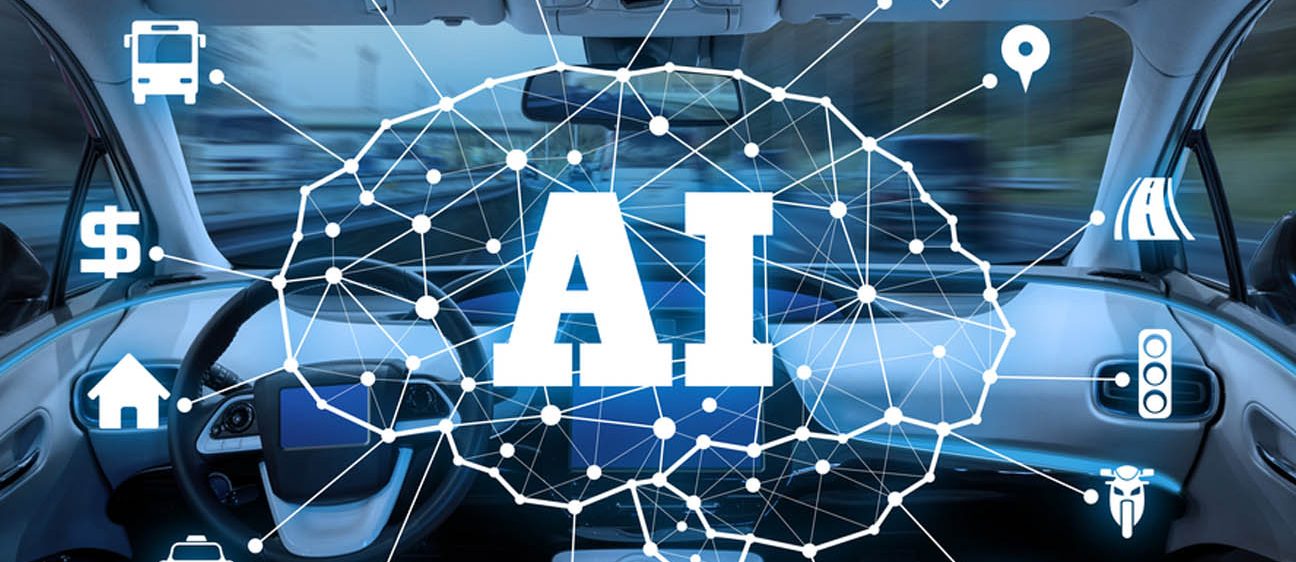
Artificial Intelligence (AI) is revolutionizing urban planning by enabling the creation of smart cities. One area where AI is making a significant impact is in optimizing traffic flow and reducing congestion through the implementation of smart transportation systems.
AI-powered transportation systems use advanced algorithms and data analysis to gather real-time information about traffic patterns, road conditions, and other relevant factors. This data is then used to make informed decisions and optimize traffic flow. By leveraging AI, cities can reduce congestion, improve road safety, and enhance overall transportation efficiency.
Benefits of AI in Smart Transportation Systems
Implementing AI in smart transportation systems offers numerous benefits for both cities and their residents. Here are some key advantages:
- Reduced Congestion: AI algorithms analyze traffic data in real-time, identifying areas of congestion and suggesting alternative routes to drivers. This helps to alleviate traffic congestion and reduce travel time.
- Improved Safety: AI can detect and analyze traffic incidents, such as accidents or road hazards, in real-time. This enables authorities to respond quickly and effectively, minimizing the impact on traffic flow and ensuring the safety of drivers.
- Optimized Traffic Signals: AI algorithms can optimize traffic signal timings based on real-time traffic data, ensuring a smoother flow of vehicles and minimizing waiting times at intersections.
- Enhanced Public Transportation: AI can improve the efficiency of public transportation systems by analyzing passenger demand, optimizing routes, and predicting potential disruptions. This leads to better service and increased ridership.
Examples of AI in Smart Transportation Systems
Several cities around the world have already implemented AI-powered smart transportation systems with impressive results. Here are a few examples:
- Singapore: Singapore has implemented an AI-based traffic management system called “Smart Mobility 2030.” This system uses AI algorithms to optimize traffic flow, reduce congestion, and improve public transportation services.
- Barcelona: Barcelona has deployed an AI-powered platform called “Superblocks” to reduce traffic and create more pedestrian-friendly areas. This platform uses AI to analyze traffic patterns and optimize the layout of streets and public spaces.
- Los Angeles: Los Angeles has implemented an AI-based system called “ATLAS” (Adaptive Traffic Signal Control System) to optimize traffic signal timings. This has resulted in a 16% reduction in travel time and a 12% decrease in fuel consumption.
In conclusion, AI is playing a crucial role in transforming urban planning and creating smart cities. By implementing AI-powered smart transportation systems, cities can optimize traffic flow, reduce congestion, improve road safety, and enhance public transportation services. As technology continues to advance, we can expect even greater advancements in AI for urban planning, leading to more efficient and sustainable cities.
Utilize AI to monitor and manage energy consumption in buildings and infrastructure.
Artificial Intelligence (AI) has revolutionized various industries, and urban planning is no exception. By incorporating AI technologies into urban planning processes, cities can become smarter and more efficient. One area where AI can make a significant impact is in monitoring and managing energy consumption in buildings and infrastructure.
With the growing concern over climate change and the need to reduce energy consumption, AI can play a crucial role in helping cities achieve their sustainability goals. AI algorithms can analyze large amounts of data collected from sensors installed in buildings and infrastructure to identify patterns and trends in energy usage. This data can then be used to optimize energy consumption and reduce wastage.
AI can also be used to predict future energy demand based on historical data and external factors such as weather conditions. By accurately forecasting energy demand, cities can better plan their energy supply and distribution, ensuring a reliable and efficient energy system.
Furthermore, AI can help identify energy-saving opportunities in buildings and infrastructure. Machine learning algorithms can analyze energy consumption patterns and identify areas where improvements can be made, such as upgrading outdated equipment, implementing energy-efficient technologies, or adjusting usage schedules. This proactive approach can lead to significant energy savings and cost reductions.
In addition to energy management, AI can also assist in the maintenance and management of buildings and infrastructure. AI-powered systems can monitor the condition of critical infrastructure, such as bridges and roads, and detect potential issues or anomalies. This early detection allows for timely repairs and maintenance, preventing costly damages and ensuring the safety of residents and visitors.
Moreover, AI can enhance the overall efficiency of urban planning processes. By analyzing data from various sources, such as population demographics, transportation patterns, and environmental factors, AI can provide valuable insights for city planners. These insights can help optimize the allocation of resources, improve transportation systems, and create more sustainable and livable urban environments.
As AI continues to advance, its potential in urban planning is vast. From energy management to infrastructure maintenance and overall efficiency improvement, AI can contribute to the development of smart cities. By harnessing the power of AI, cities can become more sustainable, resilient, and enjoyable places to live in.
Use AI to enhance public safety by analyzing data and predicting crime patterns.
Artificial Intelligence (AI) is revolutionizing various industries, and urban planning is no exception. With the rise of smart cities, AI has become an invaluable tool for enhancing public safety. By analyzing vast amounts of data and predicting crime patterns, AI can help authorities take proactive measures to prevent crime and ensure the well-being of citizens.
One of the key applications of AI in urban planning is the analysis of crime data. By using machine learning algorithms, AI systems can identify patterns and trends in criminal activities. This allows law enforcement agencies to allocate their resources more effectively and respond to incidents in a timely manner. For example, if the AI system detects an increase in thefts in a particular area, it can alert the police to increase patrols in that area, thereby deterring potential criminals.
Moreover, AI can also help in predicting crime patterns. By analyzing various factors such as historical crime data, weather conditions, and social media activity, AI systems can generate accurate forecasts of where and when crimes are likely to occur. This enables law enforcement agencies to proactively deploy resources and implement preventive measures in high-risk areas, reducing the likelihood of criminal activities.
In addition to crime analysis and prediction, AI can also play a crucial role in enhancing public safety through video surveillance. AI-powered video analytics can automatically detect and identify suspicious activities in real-time. For instance, if someone leaves a bag unattended in a crowded area, the AI system can immediately alert security personnel, allowing them to respond swiftly and prevent any potential threats.
Furthermore, AI can assist in traffic management and accident prevention. By analyzing traffic data in real-time, AI systems can optimize traffic flow, reduce congestion, and improve overall road safety. For example, if the AI system detects heavy traffic on a particular route, it can suggest alternative routes to drivers, minimizing the chances of accidents and easing traffic congestion.
In conclusion, AI has the potential to revolutionize public safety in urban planning. By analyzing data and predicting crime patterns, AI can help authorities take proactive measures to prevent crime and ensure the well-being of citizens. Additionally, AI-powered video surveillance and traffic management systems can further enhance public safety. As smart cities continue to evolve, the integration of AI in urban planning will become increasingly important for creating safer and more efficient urban environments.
Implement AI-powered waste management systems to optimize collection and recycling processes.
In today’s rapidly growing cities, waste management is a significant challenge. Traditional waste collection methods often result in inefficient processes and increased costs. However, with the advent of Artificial Intelligence (AI), urban planners can now implement smart waste management systems to optimize collection and recycling processes.
AI-powered waste management systems use advanced algorithms and sensors to monitor waste levels in different areas of a city. These sensors can be installed in garbage bins, recycling centers, and other waste collection points. The data collected from these sensors is then analyzed using AI algorithms to determine the optimal routes for waste collection trucks, ensuring that they only visit bins that are nearly full.
This intelligent waste management system not only reduces costs but also minimizes the environmental impact of waste collection. By optimizing routes, AI-powered systems can reduce fuel consumption and emissions, leading to a cleaner and greener city. Additionally, these systems can identify areas with high recycling rates and allocate resources accordingly, further promoting sustainability.
Furthermore, AI can also be used to improve recycling processes. By analyzing data on the types and quantities of recyclable materials collected, AI algorithms can identify patterns and provide insights on how to enhance recycling efforts. For example, the system can suggest targeted educational campaigns to raise awareness about proper recycling practices or recommend the installation of additional recycling bins in areas with high demand.
Implementing AI-powered waste management systems in urban planning is a crucial step towards creating smart cities. These systems not only optimize waste collection and recycling processes but also contribute to the overall sustainability and livability of a city. By harnessing the power of AI, urban planners can make informed decisions that lead to a more efficient and environmentally friendly waste management system.
Frequently Asked Questions
1. What is AI in urban planning?
AI in urban planning refers to the use of artificial intelligence technologies to analyze and optimize various aspects of cities, such as transportation, energy usage, and infrastructure.
2. How can AI benefit urban planning?
AI can benefit urban planning by providing insights and predictions based on large amounts of data, optimizing resource allocation, and improving decision-making processes.
3. What are some examples of AI applications in urban planning?
Some examples of AI applications in urban planning include traffic management systems, energy efficiency optimization, and predictive maintenance of infrastructure.
4. What are the challenges of implementing AI in urban planning?
Challenges of implementing AI in urban planning include data privacy concerns, the need for reliable and accurate data, and ensuring the ethical and fair use of AI algorithms.