
In recent years, the retail industry has witnessed a significant transformation driven by advancements in technology. One of the most notable technological developments is the integration of artificial intelligence (AI) into various aspects of retail operations. AI has the potential to revolutionize the way retailers interact with their customers, offering personalized experiences and improving overall customer satisfaction.
In this article, we will explore the role of AI in enhancing the customer experience in the retail industry. We will discuss how AI-powered technologies such as chatbots, recommendation engines, and virtual assistants are being used to provide personalized product recommendations, assist customers with their queries, and create a seamless shopping experience. Additionally, we will examine the benefits and challenges associated with implementing AI in retail and highlight some successful use cases of AI in enhancing customer experience.
Using AI-powered chatbots to provide instant customer support and assistance.
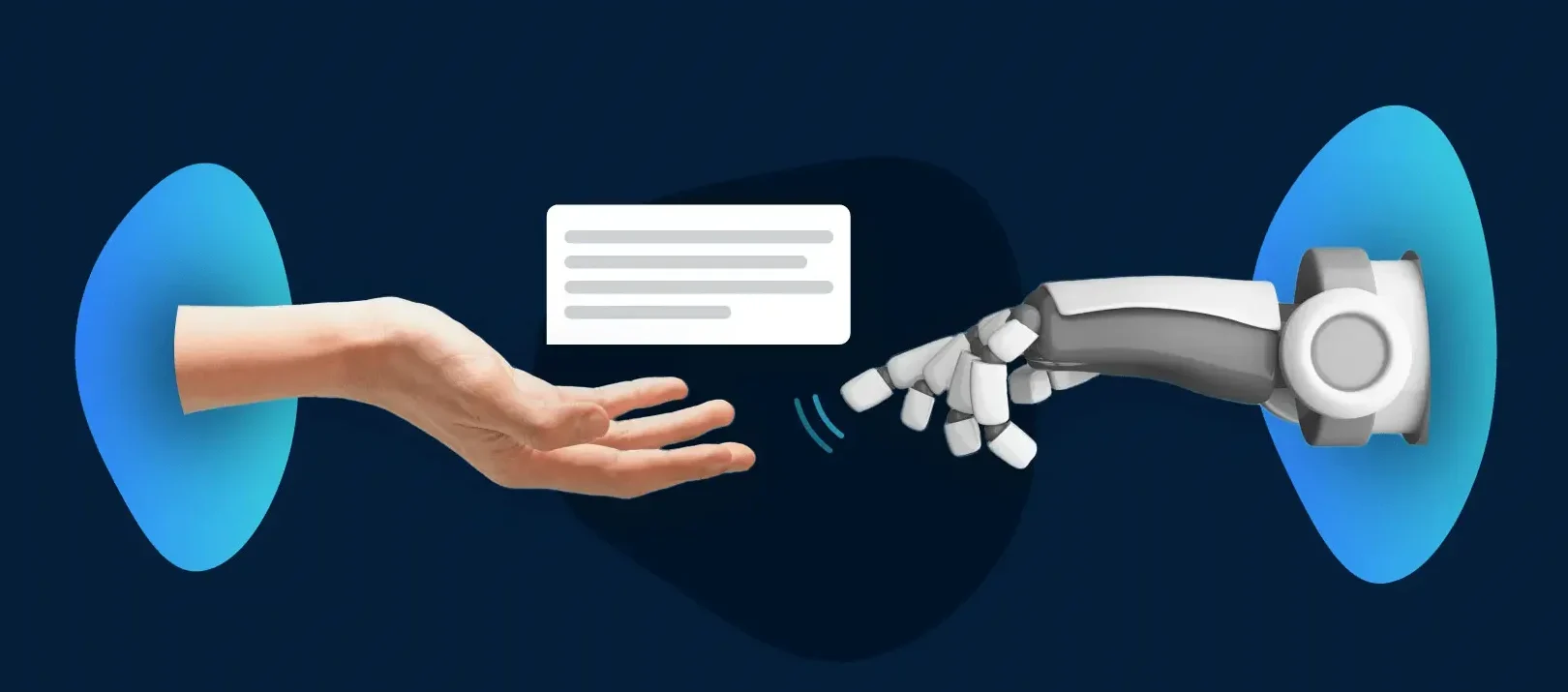
Artificial Intelligence (AI) has revolutionized the retail industry by enhancing the overall customer experience. One of the ways AI is being utilized in the retail sector is through the implementation of AI-powered chatbots. These chatbots are designed to provide instant customer support and assistance, making it easier for customers to find information and resolve any issues they may have.
AI-powered chatbots are programmed to understand and respond to customer queries in a human-like manner. They can answer frequently asked questions, provide product recommendations, and even process transactions. By incorporating natural language processing and machine learning algorithms, these chatbots are able to continuously improve their responses and better understand customer needs over time.
One of the key benefits of using AI-powered chatbots in retail is the ability to provide 24/7 customer support. Customers can access the chatbot at any time, eliminating the need to wait for business hours or speak to a live agent. This not only enhances customer satisfaction but also reduces the workload for customer service representatives.
Moreover, AI-powered chatbots can also personalize the customer experience. By analyzing customer data and purchase history, these chatbots can recommend products that are tailored to the individual’s preferences. This level of personalization not only improves customer satisfaction but also increases the likelihood of making a sale.
In addition to providing instant support and personalization, AI-powered chatbots can also assist in reducing customer wait times. By quickly addressing customer queries and providing relevant information, these chatbots help streamline the customer journey and prevent potential frustrations. This ultimately leads to a more efficient and positive shopping experience.
Related Posts
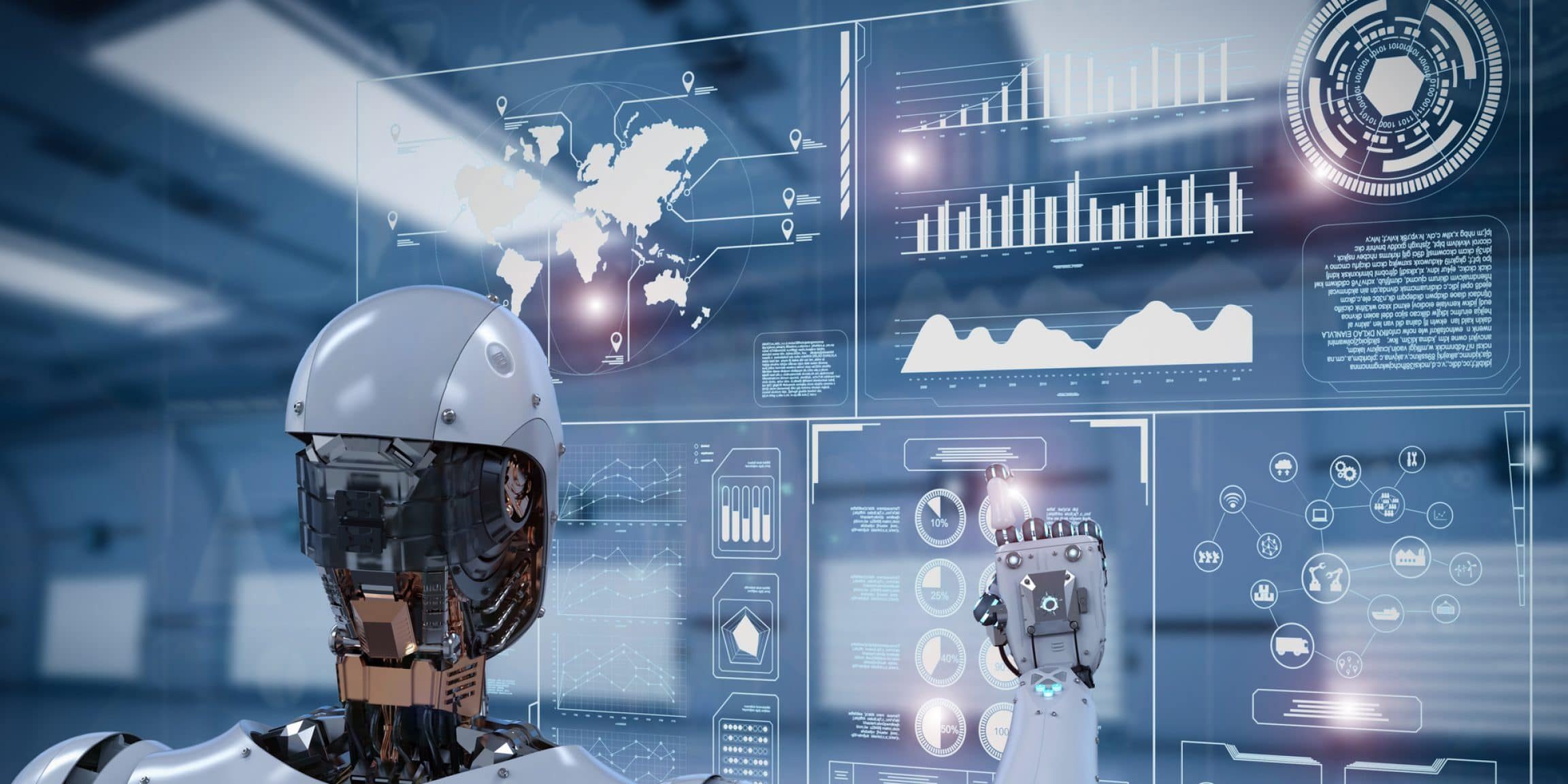

Furthermore, AI-powered chatbots can also be integrated with other AI technologies such as visual search and voice recognition. This allows customers to interact with the chatbot using images or voice commands, further enhancing the convenience and accessibility of the customer support experience.
In conclusion, the use of AI-powered chatbots in the retail industry has significantly enhanced the customer experience. These chatbots provide instant support, personalized recommendations, and reduce customer wait times. By leveraging AI technologies, retailers can improve customer satisfaction, increase sales, and streamline their operations.
Implementing recommendation systems to personalize product suggestions for customers.
One of the ways artificial intelligence (AI) is revolutionizing the retail industry is through the implementation of recommendation systems. These systems use AI algorithms to analyze customer data and provide personalized product suggestions. By leveraging machine learning techniques, retailers can enhance the customer experience by offering tailored recommendations based on individual preferences and shopping history.
Recommendation systems work by collecting and analyzing vast amounts of data, including past purchases, browsing behavior, and demographic information. This data is then used to create customer profiles and generate recommendations that are relevant to each individual shopper.
AI-powered recommendation systems are capable of understanding complex patterns and correlations in customer data, allowing retailers to make accurate predictions about customer preferences. This enables retailers to suggest products that customers are more likely to be interested in, increasing the chances of a purchase and improving customer satisfaction.
Implementing recommendation systems not only benefits customers by providing them with personalized product suggestions, but it also benefits retailers by driving sales and increasing customer loyalty. By offering a personalized shopping experience, retailers can build stronger relationships with their customers and create a sense of loyalty and trust.
Furthermore, recommendation systems can also help retailers optimize their inventory management and supply chain operations. By analyzing customer preferences and demand patterns, retailers can make more informed decisions about which products to stock and when to restock them. This can lead to improved inventory turnover, reduced wastage, and increased profitability.
Overall, AI-powered recommendation systems are a valuable tool for retailers looking to enhance the customer experience. By leveraging the power of AI and machine learning, retailers can provide personalized product suggestions, drive sales, and improve customer loyalty. As AI continues to advance, we can expect to see even more sophisticated recommendation systems that further enhance the retail industry.
Analyzing customer data to identify trends and preferences for targeted marketing campaigns.
In the retail industry, companies are constantly looking for ways to enhance the customer experience and drive sales. One powerful tool that has emerged in recent years is artificial intelligence (AI). By analyzing customer data, AI can help retailers gain valuable insights into consumer behavior, preferences, and trends.
With AI, retailers can collect and analyze vast amounts of data from various sources, such as online purchases, social media interactions, and in-store transactions. This data can then be used to identify patterns and trends that can inform targeted marketing campaigns.
For example, AI can help retailers understand which products are most popular among different customer segments. By analyzing purchase history and browsing behavior, AI algorithms can identify common preferences and recommend personalized product suggestions to individual customers. This not only improves the customer experience but also increases the likelihood of making a sale.
AI can also be used to analyze customer feedback and sentiment data. By analyzing customer reviews, social media posts, and customer service interactions, retailers can gain insights into customer satisfaction levels and identify areas for improvement. This information can then be used to enhance product offerings, improve customer service, and address any pain points that customers may have.
In addition to personalized marketing and customer service, AI can also be used to optimize inventory management and supply chain operations. By analyzing historical sales data, AI algorithms can predict demand patterns and optimize inventory levels accordingly. This helps retailers avoid stockouts and overstock situations, improving overall operational efficiency.
Furthermore, AI can assist retailers in fraud detection and prevention. By analyzing transaction data and customer behavior, AI algorithms can identify suspicious activities and alert retailers to potential fraud attempts. This not only protects the retailer’s bottom line but also enhances customer trust and loyalty.
In conclusion, AI offers numerous opportunities for retailers to enhance the customer experience and drive sales. By analyzing customer data, AI can help retailers gain valuable insights into consumer behavior, preferences, and trends. This information can then be used to personalize marketing campaigns, improve customer service, optimize inventory management, and detect fraud. As AI continues to evolve, its potential in the retail industry is only expected to grow.
Using computer vision technology to enable cashier-less checkout and reduce waiting times.
Artificial intelligence (AI) is revolutionizing the retail industry, and one of its key applications is in enhancing the customer experience. One area where AI is making a significant impact is in the use of computer vision technology to enable cashier-less checkout and reduce waiting times.
Computer vision technology utilizes AI algorithms to analyze and interpret visual data, allowing machines to perceive and understand the world around them. In the retail sector, this technology is being used to create frictionless shopping experiences by eliminating the need for traditional checkout processes.
With computer vision technology, customers can simply walk into a store, pick up the items they want, and leave without having to wait in line to pay. Cameras and sensors placed throughout the store track the items customers take, automatically adding them to their virtual shopping carts. When customers are ready to leave, their purchases are automatically charged to their accounts, providing a seamless and convenient checkout experience.
This technology not only saves customers time but also reduces operational costs for retailers. By eliminating the need for cashiers, retailers can streamline their operations and allocate their resources more efficiently. Additionally, the reduction in waiting times can lead to increased customer satisfaction and loyalty.
Several companies are already implementing computer vision technology in their retail stores. Amazon Go, for example, has introduced the concept of “Just Walk Out” shopping, where customers can simply grab items and go, without the need for traditional checkout. Other companies, such as Walmart and Kroger, are also experimenting with similar technologies to enhance the shopping experience.
Furthermore, computer vision technology can also be used to improve inventory management and prevent theft. By constantly monitoring shelves and displays, AI-powered systems can detect when items are running low and alert store employees to restock them. Additionally, these systems can identify suspicious behavior and notify security personnel in real-time, helping to prevent theft and ensure a safe shopping environment.
In conclusion, the use of computer vision technology in retail is transforming the customer experience. By enabling cashier-less checkout and reducing waiting times, this technology is making shopping more convenient and efficient. As more companies embrace AI in retail, we can expect to see further advancements in enhancing the overall shopping experience.
Utilizing AI-powered inventory management systems to optimize stock levels and prevent out-of-stock situations.
Artificial Intelligence (AI) has revolutionized various industries, and the retail sector is no exception. One of the key areas where AI is making a significant impact is in inventory management systems. By utilizing AI-powered inventory management systems, retailers can optimize stock levels and prevent out-of-stock situations, ultimately enhancing the customer experience.
AI-powered inventory management systems use advanced algorithms and machine learning techniques to analyze historical sales data, customer demand patterns, and other relevant factors. This allows retailers to accurately forecast demand and make informed decisions about stock replenishment. By optimizing stock levels, retailers can ensure that popular products are always available, reducing the chances of disappointed customers and missed sales opportunities.
Furthermore, AI-powered inventory management systems can also help retailers identify slow-moving or obsolete products. By analyzing sales data and market trends, these systems can provide valuable insights into which products are not performing well. Retailers can then take proactive measures, such as implementing targeted marketing campaigns or offering discounts, to clear out slow-moving inventory and optimize shelf space.
In addition to optimizing stock levels, AI-powered inventory management systems can also improve supply chain efficiency. By analyzing data from suppliers, transportation providers, and other stakeholders, these systems can identify bottlenecks, optimize delivery routes, and streamline the overall supply chain process. This not only reduces costs but also ensures that products are delivered to customers in a timely manner, further enhancing the customer experience.
AI-powered inventory management systems can also help retailers reduce the risk of overstocking. By accurately forecasting demand and optimizing stock levels, retailers can minimize excess inventory that ties up capital and takes up valuable storage space. This allows retailers to allocate resources more efficiently and focus on offering a diverse range of products that meet customer needs.
In conclusion, AI-powered inventory management systems are revolutionizing the retail industry by optimizing stock levels, preventing out-of-stock situations, and improving supply chain efficiency. By harnessing the power of AI, retailers can enhance the customer experience, reduce costs, and stay competitive in today’s fast-paced retail landscape.
Frequently Asked Questions
1. What is AI in retail?
AI in retail refers to the use of artificial intelligence technologies and algorithms in the retail industry to enhance various aspects of the customer experience and improve operational efficiency.
2. How can AI enhance the customer experience in retail?
AI can enhance the customer experience in retail by providing personalized product recommendations, improving inventory management, enabling chatbots for customer support, and enabling cashier-less checkout experiences.
3. What are some examples of AI technologies used in retail?
Some examples of AI technologies used in retail include machine learning algorithms for demand forecasting, computer vision for cashier-less checkout systems, and natural language processing for chatbots.
4. Are there any privacy concerns with AI in retail?
Yes, there can be privacy concerns with AI in retail, especially when it comes to collecting and analyzing customer data. Retailers need to ensure that they have proper data protection measures in place and comply with relevant privacy regulations.