
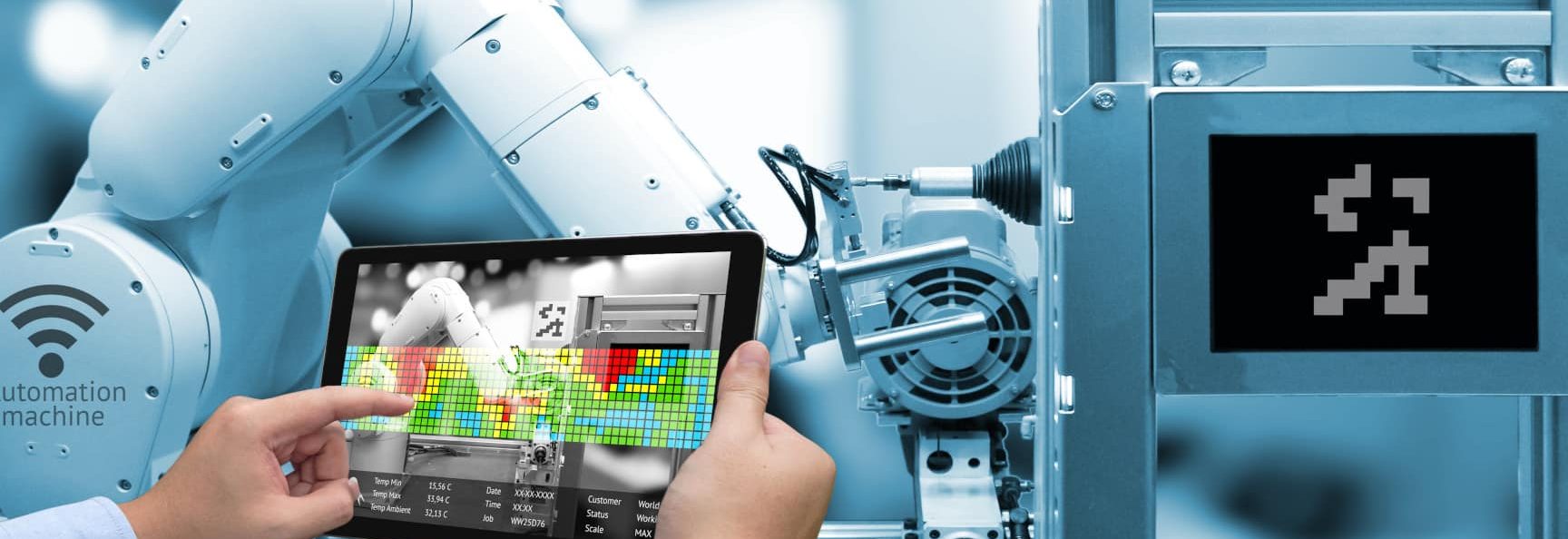
In recent years, artificial intelligence (AI) has been revolutionizing various industries, and manufacturing is no exception. With advancements in machine learning and robotics, AI has the potential to transform the manufacturing sector by automating processes, improving efficiency, and reducing costs.
In this article, we will explore the various applications of AI in manufacturing and how it is reshaping the industry. We will delve into the benefits of using AI-powered systems for tasks such as quality control, predictive maintenance, and supply chain management. Additionally, we will discuss the challenges and considerations that come with implementing AI in manufacturing and how companies can overcome them to fully harness the potential of this technology.
AI can automate repetitive tasks in manufacturing, reducing the need for human intervention.
Artificial Intelligence (AI) has revolutionized various industries, and manufacturing is no exception. With its ability to automate repetitive tasks and analyze large amounts of data, AI is transforming the manufacturing sector, making it more efficient and productive.
One of the key benefits of AI in manufacturing is its ability to automate repetitive tasks. In traditional manufacturing processes, many tasks are repetitive and time-consuming, such as quality control inspections, assembly line operations, and inventory management. These tasks not only require a significant amount of human labor but are also prone to errors and inconsistencies.
By implementing AI technologies, manufacturers can automate these repetitive tasks, reducing the need for human intervention. AI-powered robots and machines can perform tasks with precision and accuracy, ensuring consistent quality and reducing the risk of errors. This automation not only improves efficiency but also frees up human workers to focus on more complex and creative tasks.
Another advantage of AI in manufacturing is its ability to analyze large amounts of data. Manufacturing processes generate vast amounts of data, including production metrics, sensor readings, and quality control data. Analyzing this data manually can be time-consuming and prone to human error.
AI algorithms can analyze this data in real-time, identifying patterns, anomalies, and trends that may not be obvious to human operators. By leveraging machine learning and predictive analytics, manufacturers can optimize production processes, improve product quality, and reduce downtime. AI can also help detect and predict equipment failures, allowing for proactive maintenance and minimizing production disruptions.
Related Posts




Furthermore, AI can enhance the decision-making process in manufacturing. By utilizing AI-powered algorithms, manufacturers can make data-driven decisions, improving operational efficiency and resource allocation. For example, AI can optimize production schedules based on demand forecasts, minimize energy consumption, and optimize inventory levels.
In conclusion, AI is revolutionizing the manufacturing industry by automating repetitive tasks, analyzing large amounts of data, and enhancing decision-making processes. By implementing AI technologies, manufacturers can improve efficiency, productivity, and product quality. As AI continues to advance, we can expect further transformative changes in the manufacturing sector, leading to increased competitiveness and innovation.
AI can optimize production processes by analyzing data and making real-time adjustments.
Artificial Intelligence (AI) has revolutionized various industries, and manufacturing is no exception. With the power of AI, manufacturers can enhance their production processes, improve efficiency, and optimize their operations. By analyzing vast amounts of data and making real-time adjustments, AI can significantly impact the manufacturing sector.
One of the key benefits of implementing AI in manufacturing is automation. AI-powered robots can perform repetitive and mundane tasks with precision and accuracy, reducing the need for human intervention. This not only improves efficiency but also minimizes the risk of errors and increases overall productivity.
AI can also streamline the supply chain by predicting demand patterns and optimizing inventory management. By analyzing historical data and market trends, AI algorithms can forecast future demand, enabling manufacturers to plan their production schedules accordingly. This helps to reduce inventory costs and prevent stockouts, ensuring a smooth flow of goods throughout the supply chain.
In addition to automation and supply chain optimization, AI can also enhance quality control in manufacturing processes. AI algorithms can analyze data from sensors and other sources to detect anomalies and deviations from standard operating procedures. This allows manufacturers to identify and rectify issues in real-time, preventing defects and ensuring that products meet the desired quality standards.
Furthermore, AI can improve predictive maintenance in manufacturing facilities. By analyzing sensor data and equipment performance metrics, AI algorithms can predict when a machine is likely to fail. This enables manufacturers to schedule maintenance activities proactively, preventing unplanned downtime and reducing repair costs.
Moreover, AI can optimize energy consumption in manufacturing plants. By analyzing data from energy meters and other sources, AI algorithms can identify energy-saving opportunities and recommend adjustments to optimize energy usage. This not only helps manufacturers reduce their carbon footprint but also lowers energy costs, contributing to a more sustainable and environmentally friendly manufacturing process.
Overall, AI has the potential to revolutionize the manufacturing industry by automating processes, optimizing supply chains, enhancing quality control, improving predictive maintenance, and optimizing energy consumption. By harnessing the power of AI, manufacturers can achieve higher levels of efficiency, productivity, and profitability.
AI can predict equipment failures and schedule maintenance, minimizing downtime.
Artificial Intelligence (AI) is revolutionizing the manufacturing industry by providing automation and increased efficiency. One of the key benefits of AI in manufacturing is its ability to predict equipment failures and schedule maintenance, thereby minimizing downtime.
With AI-powered predictive maintenance, manufacturers can analyze large volumes of data collected from sensors and other sources to identify patterns and indicators of potential equipment failures. By utilizing machine learning algorithms, AI systems can continuously learn from this data and improve their accuracy over time.
By predicting equipment failures in advance, manufacturers can proactively schedule maintenance activities, ensuring that repairs are carried out before a breakdown occurs. This proactive approach helps to minimize unplanned downtime, which can be extremely costly for manufacturers.
AI can also optimize maintenance schedules by considering various factors such as equipment usage, production schedules, and resource availability. By intelligently analyzing these variables, AI systems can determine the most efficient times for maintenance activities, reducing the impact on production and maximizing overall equipment effectiveness.
In addition to predictive maintenance, AI in manufacturing can also improve quality control processes. AI systems can analyze real-time data from production lines to detect anomalies and deviations from desired quality standards. This allows manufacturers to identify and address issues early on, preventing defective products from reaching the market.
Furthermore, AI can optimize production processes by analyzing data from various sources, such as supply chain information, customer demand, and historical production data. By leveraging this information, AI systems can make intelligent decisions regarding production planning, inventory management, and resource allocation, leading to improved efficiency and cost savings.
Overall, AI is transforming the manufacturing industry by enabling automation and increasing efficiency. From predicting equipment failures and scheduling maintenance to optimizing production processes and improving quality control, AI offers numerous benefits for manufacturers. By harnessing the power of AI, companies can stay competitive in today’s rapidly evolving manufacturing landscape.
AI can improve quality control by detecting defects and anomalies in products.
Artificial Intelligence (AI) is revolutionizing the manufacturing industry by enhancing automation and efficiency. One area where AI is making a significant impact is quality control. With the ability to detect defects and anomalies in products, AI is improving the overall quality of manufacturing processes.
Traditionally, quality control in manufacturing relied on manual inspections, which were time-consuming and prone to human error. However, with the introduction of AI, manufacturers can now automate the quality control process and achieve higher levels of accuracy.
AI-powered systems use computer vision technology to analyze visual data and identify any defects or anomalies in products. By training these systems with large datasets, they can learn to recognize patterns and deviations from the norm. This allows manufacturers to identify and address quality issues early in the production process, reducing waste and improving customer satisfaction.
Additionally, AI can also assist in predictive maintenance, another crucial aspect of manufacturing. By analyzing sensor data from equipment, AI algorithms can detect patterns that indicate potential failures or maintenance needs. This proactive approach helps manufacturers avoid costly breakdowns and optimize maintenance schedules.
Furthermore, AI can optimize production schedules by analyzing various factors such as demand, inventory levels, and production capacity. By considering these variables, AI algorithms can generate accurate production forecasts and recommend the most efficient production plans. This not only improves overall efficiency but also helps manufacturers meet customer demands in a timely manner.
In conclusion, AI is transforming the manufacturing industry by revolutionizing quality control and optimizing production processes. By automating inspections, detecting defects, and predicting maintenance needs, AI is improving product quality, reducing downtime, and increasing overall efficiency. As technology continues to advance, we can expect AI to play an even more significant role in the future of manufacturing.
AI can enhance supply chain management by optimizing inventory levels and predicting demand.
Artificial Intelligence (AI) has revolutionized various industries, and manufacturing is no exception. With its ability to process large amounts of data and make predictions, AI has become a valuable tool in enhancing supply chain management in the manufacturing sector.
One of the key areas where AI can make a significant impact is in optimizing inventory levels. Traditionally, manufacturers have struggled to find the right balance between having enough inventory to meet customer demand and minimizing excess inventory that ties up capital. AI algorithms can analyze historical data, current market trends, and other relevant factors to forecast demand accurately. This enables manufacturers to maintain optimal inventory levels, reducing costs and improving overall efficiency.
In addition to inventory optimization, AI can also help manufacturers predict demand more accurately. By analyzing data from various sources such as sales data, customer behavior, and market trends, AI algorithms can identify patterns and make predictions about future demand. This allows manufacturers to plan production schedules more effectively, ensuring that they can meet customer demand while minimizing the risk of overproduction or stockouts.
Furthermore, AI can also be used to improve the efficiency of manufacturing processes. By leveraging machine learning algorithms, manufacturers can identify inefficiencies in their operations and make data-driven decisions to streamline processes. For example, AI can analyze data from sensors and other monitoring devices to detect equipment failures or anomalies in real-time. This enables manufacturers to take proactive measures to prevent downtime and optimize production.
Moreover, AI-powered robotics and automation systems have the potential to transform manufacturing operations. By combining AI algorithms with advanced robotics, manufacturers can automate repetitive tasks, such as assembly or quality control, leading to increased productivity and reduced human error. This not only improves efficiency but also frees up human workers to focus on more complex and value-added tasks.
In conclusion, AI has the potential to revolutionize the manufacturing industry by enhancing supply chain management, optimizing inventory levels, predicting demand, and improving process efficiency. By leveraging AI technologies, manufacturers can stay competitive in today’s fast-paced and ever-changing market.
Frequently Asked Questions
1. How can AI be used in manufacturing?
AI can be used in manufacturing to automate repetitive tasks, optimize production processes, and improve quality control.
2. What are the benefits of using AI in manufacturing?
The benefits of using AI in manufacturing include increased efficiency, reduced costs, improved product quality, and enhanced safety.
3. Can AI replace human workers in manufacturing?
No, AI cannot completely replace human workers in manufacturing. However, it can assist them in performing tasks more efficiently and accurately.
4. Is AI expensive to implement in manufacturing?
The cost of implementing AI in manufacturing can vary depending on the specific application and complexity. However, the long-term benefits often outweigh the initial investment.