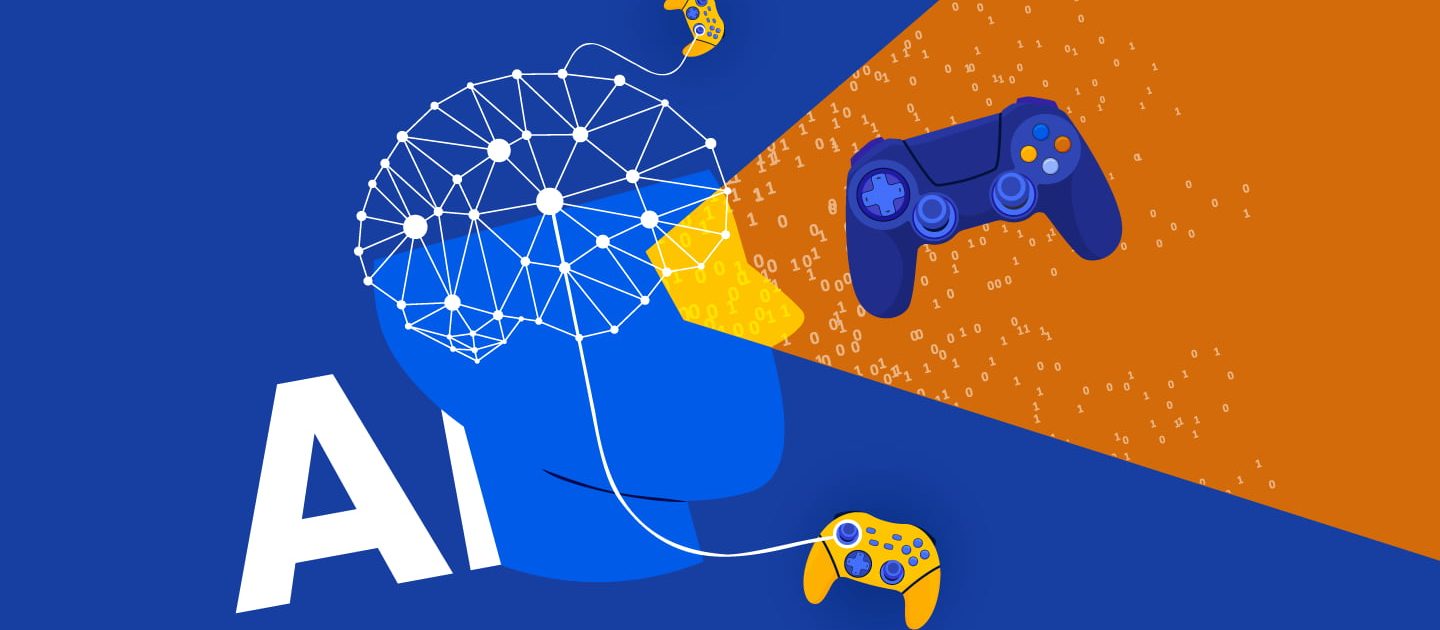
The use of artificial intelligence (AI) in gaming has revolutionized the way players interact with virtual worlds. From NPCs (non-playable characters) that exhibit human-like behavior to advanced procedural generation techniques, AI has made it possible to create more immersive and realistic gaming experiences than ever before.
In this article, we will explore the various applications of AI in gaming and how it has contributed to the development of more lifelike game environments. We will delve into the use of AI algorithms for character behavior and decision-making, as well as the role of machine learning in creating dynamic and adaptive gameplay. Additionally, we will discuss the challenges and ethical considerations associated with the use of AI in gaming, and the potential future developments in this exciting field.
Use machine learning algorithms to improve NPC behavior and make them more realistic.
Artificial Intelligence (AI) has revolutionized the gaming industry by creating immersive and realistic experiences for players. One of the key areas where AI has made a significant impact is in improving the behavior of Non-Player Characters (NPCs) within games.
Traditionally, NPCs in games were programmed with pre-determined behaviors and responses, which often made their actions predictable and repetitive. However, with the advancements in machine learning algorithms, game developers now have the ability to create NPCs that can learn and adapt to different situations, making them more lifelike and challenging for players.
By using machine learning algorithms, game developers can train NPCs to analyze and respond to various stimuli in the game environment. These algorithms allow NPCs to learn from their interactions with players and make decisions based on the current context. For example, NPCs can learn to recognize patterns in player behavior and adjust their tactics accordingly, making them more challenging opponents.
Furthermore, machine learning algorithms can also be used to create NPCs that exhibit realistic emotions and personalities. By training NPCs on large datasets of human behavior, developers can create characters that display a range of emotions and have unique personalities. This adds depth and immersion to the gaming experience, as players can interact with NPCs that feel more like real individuals.
In addition to improving NPC behavior, AI can also be used to enhance other aspects of gaming, such as graphics and sound. AI-powered algorithms can generate realistic visuals and audio based on the game’s context, creating a more immersive and engaging experience for players.
Related Posts


Overall, the use of AI in gaming has transformed the industry by creating more realistic and dynamic experiences. By implementing machine learning algorithms, game developers can enhance NPC behavior, graphics, and sound, making games more challenging and immersive for players. As AI continues to advance, we can expect even more realistic and lifelike gaming experiences in the future.
Implement natural language processing to allow players to have more natural conversations with AI characters.
Artificial Intelligence (AI) has revolutionized the gaming industry by creating more immersive and realistic experiences for players. One of the key ways in which AI is being implemented in games is through natural language processing (NLP), which allows players to have more natural conversations with AI characters.
NLP is a branch of AI that focuses on the interaction between computers and humans through natural language. In the context of gaming, NLP enables AI characters to understand and respond to player input in a way that feels more human-like. This means that players can engage in conversations with AI characters using their own words and expressions, rather than being limited to pre-determined dialogue options.
By implementing NLP in games, developers can create AI characters that can understand and interpret the player’s intentions, emotions, and context. This opens up a whole new world of possibilities for storytelling and gameplay. Players can have meaningful and dynamic conversations with AI characters that adapt to their choices and actions, leading to a more immersive and personalized gaming experience.
Furthermore, NLP can also enhance the multiplayer aspect of games by enabling players to communicate with each other using natural language. This can facilitate teamwork and coordination in team-based games, as players can communicate their strategies and plans more effectively.
Implementing NLP in games requires sophisticated algorithms and technologies. Companies like OpenAI, Amazon AI, Meta AI, Google AI, and Microsoft are at the forefront of AI research and development, and they provide tools and technologies that game developers can utilize to integrate NLP into their games. These companies have made significant advancements in natural language understanding and generation, making it easier for developers to create AI characters with realistic conversational abilities.
In conclusion, the implementation of natural language processing in games allows for more natural conversations between players and AI characters. This technology enhances the immersion and realism of gaming experiences, making them more engaging and personalized. By leveraging the tools and technologies provided by companies in the AI industry, game developers can create games that push the boundaries of storytelling and player interaction.
Use computer vision to enhance graphics and create more realistic visuals.
Artificial Intelligence (AI) has revolutionized many industries, and the gaming industry is no exception. With AI, game developers can now create more immersive and realistic gaming experiences for players. One of the ways AI is being used in gaming is through computer vision.
Computer vision is a branch of AI that focuses on enabling computers to see and understand visual information. In the context of gaming, computer vision algorithms can be used to enhance graphics and create more realistic visuals. By analyzing and interpreting visual data in real-time, AI algorithms can generate high-resolution textures, realistic lighting effects, and lifelike animations.
By using computer vision, game developers can create games that are visually stunning and incredibly detailed. For example, AI algorithms can analyze the environment in a game and adjust the lighting and shadows to match the real-world lighting conditions. This level of realism can greatly enhance the player’s immersion in the game world.
Additionally, computer vision can be used to improve the realism of character animations. By analyzing real-life human movements, AI algorithms can generate more natural and fluid animations for in-game characters. This means that characters can move and interact with the game world in a more lifelike manner, further enhancing the player’s sense of immersion.
Furthermore, computer vision can also be used to create more realistic physics simulations in games. AI algorithms can analyze the properties of objects and their interactions, allowing for more accurate and realistic physics simulations. This means that objects in the game world will behave more realistically, adding to the overall immersion and realism of the gaming experience.
In conclusion, AI, particularly computer vision, is revolutionizing the gaming industry by creating more realistic and immersive gaming experiences. By using AI algorithms to enhance graphics, generate lifelike animations, and simulate realistic physics, game developers can create games that transport players to virtual worlds that feel incredibly real. As AI continues to advance, we can expect even more stunning and realistic gaming experiences in the future.
Utilize deep learning to create more challenging and adaptive AI opponents.
Artificial Intelligence (AI) has revolutionized the gaming industry, providing developers with the tools to create more immersive and realistic gaming experiences. One of the key applications of AI in gaming is the development of intelligent opponents that can adapt and challenge players.
Deep learning, a subset of AI, plays a crucial role in creating these challenging AI opponents. By using neural networks, developers can train AI models to learn from vast amounts of data and make intelligent decisions based on the current game state.
With deep learning, AI opponents can analyze player behavior, learn from their strategies, and adapt their gameplay accordingly. This allows for a more dynamic and engaging gaming experience, as players face opponents that constantly evolve and become more challenging over time.
By leveraging deep learning techniques, game developers can also create AI opponents that exhibit human-like behavior. These opponents can demonstrate emotions, learn from their mistakes, and even develop their own unique playing styles. This adds a new level of realism to gaming, making players feel like they are competing against real individuals.
Benefits of AI-powered opponents in gaming
The integration of AI-powered opponents in gaming brings several benefits:
- Increased challenge: AI opponents can provide a higher level of difficulty, adapting their strategies and making more intelligent decisions.
- Enhanced immersion: Realistic AI opponents create a more immersive gaming experience, blurring the line between virtual and reality.
- Dynamic gameplay: AI opponents that learn and adapt make gameplay more dynamic and unpredictable, keeping players engaged.
- Personalized experiences: AI opponents can analyze player behavior and provide tailored challenges, making each gaming experience unique.
Leading companies in the AI industry, such as OpenAI, Amazon AI, Meta AI, Google AI, and Microsoft, have been at the forefront of developing AI-powered gaming experiences. These companies have created advanced AI models and technologies that are shaping the future of gaming.
As AI continues to advance, we can expect even more realistic and intelligent gaming experiences. The integration of AI-powered opponents opens up a world of possibilities, allowing for games that adapt to individual players and provide personalized challenges.
So, the next time you play a video game, remember that the challenging opponent you’re facing may not be human, but an AI-powered creation designed to push you to your limits.
Use AI to generate dynamic and unpredictable game worlds.
Artificial Intelligence (AI) has revolutionized many industries, and the gaming industry is no exception. With AI, game developers can create more immersive and realistic experiences for players. In this article, we will explore how AI is being used in gaming to generate dynamic and unpredictable game worlds.
1. Procedural Generation:
AI is used in gaming to generate game worlds and environments through a technique called procedural generation. This technique involves using algorithms to create content such as landscapes, buildings, and even characters. Procedural generation allows for endless possibilities and ensures that each playthrough is unique. By leveraging AI, game developers can create vast and diverse game worlds that offer players a truly immersive experience.
2. Intelligent NPCs:
Non-Playable Characters (NPCs) are an essential part of any game world. AI is used to make NPCs more intelligent and lifelike. By utilizing machine learning algorithms, NPCs can learn from player interactions and adapt their behavior accordingly. This means that NPCs can exhibit realistic emotions, make decisions based on their surroundings, and even learn new skills as the game progresses. With AI, game developers can create NPCs that provide a more challenging and engaging experience for players.
3. Adaptive Difficulty:
AI is also used to create adaptive difficulty in games. Instead of having a fixed difficulty level, AI algorithms can analyze player behavior and adjust the game’s difficulty on the fly. This ensures that players are constantly challenged without becoming frustrated or bored. By dynamically adjusting the difficulty, AI in gaming can provide a personalized experience for each player, making the game more enjoyable and rewarding.
4. Realistic Physics and Animations:
AI plays a crucial role in creating realistic physics and animations in games. By using physics simulation algorithms, game developers can simulate real-world physics such as gravity, collisions, and fluid dynamics. This allows for more realistic and immersive gameplay. Additionally, AI can be used to generate realistic animations for characters and objects, making them move and behave more naturally. With AI, game developers can bring virtual worlds to life and create experiences that blur the line between reality and fiction.
5. Intelligent Game Design:
AI can also assist game developers in designing levels and puzzles. By using AI algorithms, developers can generate challenging and balanced levels that adapt to the player’s skill level. This ensures that the game remains engaging and enjoyable for players of all skill levels. Additionally, AI can analyze player data and provide insights to game designers, helping them make informed decisions about game mechanics and features. With AI, game developers can create games that are not only visually stunning but also strategically challenging.
Conclusion:
AI has significantly impacted the gaming industry by enabling the creation of more immersive and realistic experiences. From procedural generation to intelligent NPCs and adaptive difficulty, AI has transformed the way games are developed and played. With AI, game developers can create dynamic and unpredictable game worlds that provide players with unique and engaging experiences. As AI continues to advance, we can expect even more exciting developments in the field of AI in gaming.
Frequently Asked Questions
1. How does AI contribute to creating realistic gaming experiences?
AI enhances gaming experiences by enabling realistic behaviors and reactions from non-player characters, creating immersive gameplay.
2. What role does AI play in game development?
AI is used in game development to create intelligent NPCs, optimize game mechanics, and generate dynamic content.
3. Can AI be used to improve game graphics?
Yes, AI can be used to improve game graphics by upscaling low-resolution textures, enhancing visual effects, and generating realistic lighting.
4. How does AI improve game AI opponents?
AI improves game AI opponents by making them smarter, more adaptive, and capable of learning from player behavior, providing a more challenging and engaging experience.