Artificial Intelligence (AI) has made significant advancements in various industries, and the entertainment industry is no exception. AI is revolutionizing content creation, allowing creators to produce more engaging and personalized experiences for their audiences.
In this article, we will explore how AI is being used in content creation within the entertainment industry. We will discuss the use of AI in generating music, writing scripts, and creating visual effects. Additionally, we will examine the benefits and challenges of using AI in content creation and its potential impact on the future of entertainment.
AI can generate content such as music, art, and writing.
Artificial Intelligence (AI) has revolutionized various industries, including entertainment. One fascinating aspect of AI in entertainment is its ability to generate content such as music, art, and writing. Through advanced algorithms and machine learning techniques, AI can now create original and unique pieces of content that were once solely the domain of human creativity.
Music Generation:
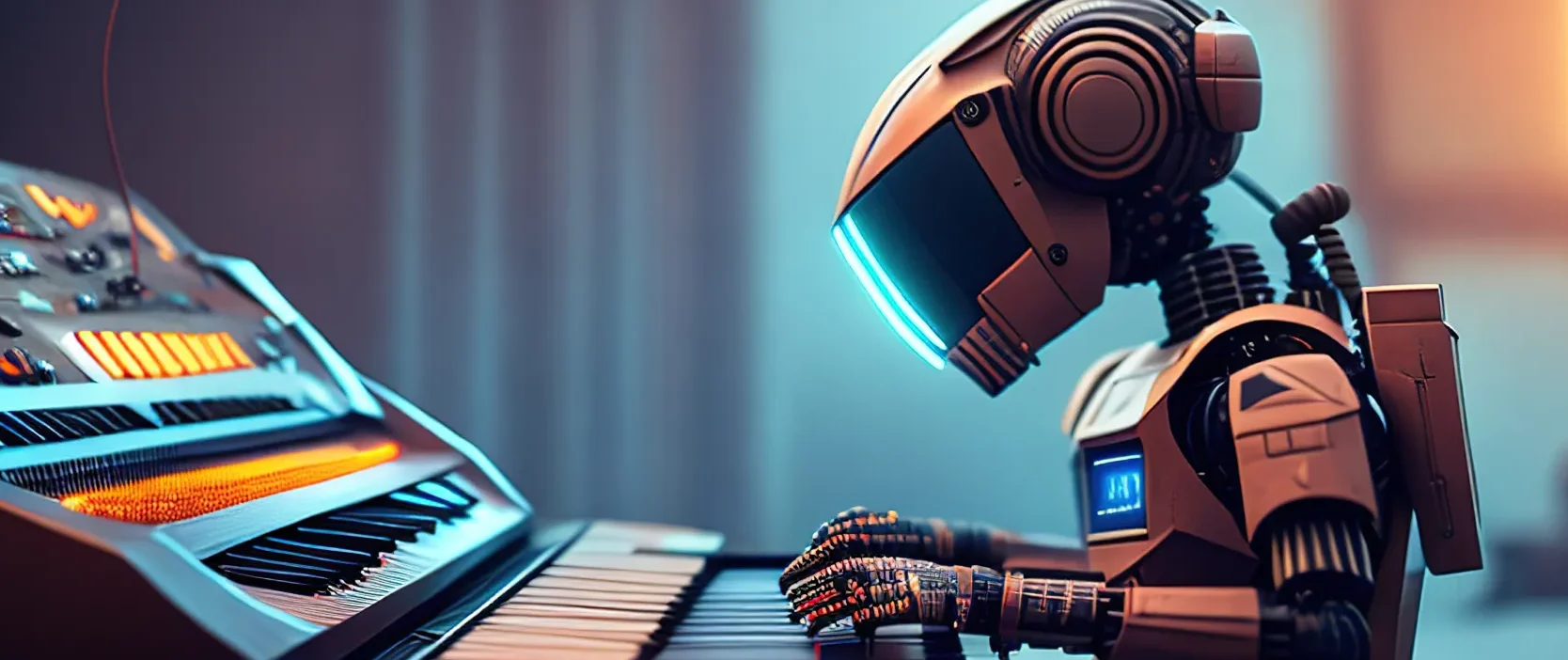
AI has proven to be a powerful tool in music composition and generation. With the help of AI algorithms, musicians and composers can now leverage technology to create original melodies, harmonies, and even entire songs. AI can analyze vast amounts of musical data, learn patterns, and generate new compositions that are both innovative and pleasing to the human ear. This technology has opened up new possibilities for musicians, allowing them to explore uncharted territories and experiment with unconventional sounds.
Art Creation:
AI has also made significant strides in the field of art creation. Using AI algorithms, artists can now generate stunning visual artworks that rival those created by human hands. AI can analyze existing artworks, learn different artistic styles, and then create original pieces that exhibit similar characteristics. This technology has not only expanded the creative horizons of artists but has also sparked new discussions about the definition of art and the role of human creativity in the artistic process.
Related Posts



Writing Assistance:
AI has become an invaluable tool for writers, providing assistance in various aspects of the writing process. Natural Language Processing (NLP) algorithms enable AI to analyze and understand human language, facilitating tasks such as grammar and spell-checking. AI can also generate content based on specific prompts or topics, providing writers with inspiration and ideas. Additionally, AI-powered language models can even generate entire articles, stories, or poems that mimic the style and tone of different authors or genres.
AI-generated content in the entertainment industry has garnered both excitement and skepticism. While AI can undoubtedly enhance creativity and streamline content creation processes, there are concerns about the potential impact on human creativity and the uniqueness of artistic expressions. However, it is important to view AI as a tool that complements human creativity rather than replacing it.
In conclusion, AI’s ability to generate content such as music, art, and writing has revolutionized the entertainment industry. Musicians, artists, and writers now have access to powerful tools that can inspire and assist them in their creative endeavors. AI-generated content opens up new possibilities for innovation and experimentation, pushing the boundaries of what is considered possible in the realm of entertainment.
AI algorithms can analyze audience preferences to create personalized content.
Artificial Intelligence (AI) has revolutionized many industries, and the entertainment sector is no exception. With the advancement of AI algorithms, content creation is becoming more efficient and personalized than ever before. These algorithms can analyze vast amounts of data, including audience preferences, to generate tailored content that resonates with viewers.
One of the key advantages of using AI in content creation is its ability to analyze audience behavior and preferences. By collecting data from various sources such as social media, streaming platforms, and online forums, AI algorithms can gain insights into what viewers like and dislike. This data can then be used to create content that caters to specific interests and preferences.
For example, AI algorithms can analyze the viewing patterns of a particular demographic and identify common themes or genres that resonate with them. Based on this analysis, content creators can develop new shows or movies that are more likely to be successful among the target audience.
Furthermore, AI can also help streamline the content creation process. Traditionally, creating content involves a lot of manual work, from brainstorming ideas to writing scripts and editing footage. AI algorithms can automate many of these tasks, saving time and resources for content creators.
AI-powered tools for content creation
There are several AI-powered tools available that can assist in content creation. These tools use machine learning algorithms to generate ideas, write scripts, and even edit videos.
- AI-generated ideas: Tools like Idea Generator can analyze data and generate unique ideas for content creation. Whether it’s for a new TV show, a podcast, or a blog post, these tools can provide inspiration and help creators come up with fresh and engaging concepts.
- AI scriptwriting: Writing a script can be a time-consuming task, but AI-powered tools like Script Writer can automate this process. These tools can analyze existing scripts, identify patterns, and generate new dialogues and scenes that align with the desired tone and style.
- AI video editing: Editing videos can be a tedious and time-consuming process. AI-powered video editing tools like Video Editor can analyze footage, identify key moments, and automatically generate a polished final product.
These AI-powered tools not only save time but also enhance creativity by providing new perspectives and ideas. Content creators can leverage these tools to experiment with different styles and formats, resulting in more diverse and engaging content.
Conclusion
AI algorithms have transformed content creation in the entertainment industry. By analyzing audience preferences and automating various tasks, AI-powered tools have made the process more efficient and personalized. Whether it’s generating ideas, writing scripts, or editing videos, AI can assist content creators in producing high-quality and engaging content. As AI continues to evolve, we can expect even more innovative solutions that push the boundaries of content creation in the entertainment industry.
AI can assist in video editing and special effects in movies and TV shows.
Artificial Intelligence (AI) has made significant advancements in various industries, and the entertainment sector is no exception. One area where AI is making a significant impact is in video editing and special effects in movies and TV shows. With the help of AI, filmmakers and content creators can enhance the visual appeal of their projects and streamline the editing process.
AI-powered tools and algorithms can analyze large volumes of footage and automatically identify the best shots, saving editors a considerable amount of time and effort. These tools can also detect and remove any imperfections or errors in the footage, ensuring a seamless viewing experience for the audience.
Moreover, AI can enhance the creative possibilities by generating special effects and visual elements that were once time-consuming and expensive to create manually. For example, AI algorithms can create realistic CGI (Computer-Generated Imagery) for scenes that require complex visual effects, such as explosions or fantastical creatures.
AI can also assist in the color grading process, ensuring consistency and enhancing the overall visual aesthetics of the content. By analyzing the color schemes and styles used in successful movies and TV shows, AI algorithms can suggest appropriate color grading options that align with the desired mood and tone of the project.
Additionally, AI-powered tools can help in automating the subtitling and captioning process, making content more accessible to a wider audience. These tools can accurately transcribe dialogue and synchronize it with the video, reducing the need for manual captioning.
It’s important to note that while AI can enhance the content creation process, it doesn’t replace human creativity and expertise. Filmmakers and content creators still play a crucial role in shaping the artistic vision and storytelling aspects of their projects. AI is simply a powerful tool that complements and assists in the creative process.
In conclusion, AI is revolutionizing the entertainment industry by providing filmmakers and content creators with advanced tools and algorithms to enhance the visual appeal of their projects. From automating the editing process to generating realistic special effects, AI is transforming the way movies and TV shows are produced. However, it’s essential to remember that AI is a tool that assists human creativity and doesn’t replace it. The future of AI in entertainment looks promising, and we can expect further advancements in the coming years.
AI can automate the process of creating video game levels and characters.
Artificial Intelligence (AI) has revolutionized various industries, and the entertainment sector is no exception. One area where AI has made significant advancements is in content creation for video games. With AI, the process of designing video game levels and characters can be automated, making it faster and more efficient.
AI algorithms can analyze vast amounts of data, including existing video game levels and characters, to identify patterns and generate new content. This not only saves time for game developers but also allows for the creation of unique and diverse gaming experiences.
One way AI is used in video game content creation is through procedural generation. Procedural generation involves using algorithms to create game content dynamically, rather than manually designing each element. This can include generating terrain, buildings, and even entire game worlds.
AI can also be used to generate realistic and unique characters. By analyzing existing character designs and characteristics, AI algorithms can create new characters that fit seamlessly into the game’s universe. This not only saves time for game developers but also enhances the player’s immersion in the game.
Another application of AI in content creation is in the field of virtual reality (VR) and augmented reality (AR). AI algorithms can analyze real-world environments and generate virtual objects or characters that interact with the user’s surroundings. This can create immersive and engaging experiences for users in the entertainment industry.
In conclusion, AI has transformed the process of content creation in the entertainment industry, particularly in video game development. By automating the creation of video game levels and characters, AI algorithms save time for developers and allow for the creation of unique and diverse gaming experiences. Additionally, AI can enhance virtual reality and augmented reality experiences by generating virtual objects that interact with the real world. As AI continues to advance, we can expect further innovations in content creation in the entertainment industry.
AI can help in the creation of virtual reality and augmented reality experiences.
Artificial Intelligence (AI) has revolutionized various industries, and the entertainment sector is no exception. One area where AI is making a significant impact is in the creation of virtual reality (VR) and augmented reality (AR) experiences. These immersive technologies have gained popularity in recent years, allowing users to explore virtual worlds and interact with digital objects.
AI can enhance the content creation process for VR and AR by providing advanced tools and algorithms. For example, AI algorithms can analyze vast amounts of data to generate realistic virtual environments, characters, and objects. This eliminates the need for manual design and speeds up the development process.
Furthermore, AI can improve the user experience by creating intelligent virtual characters that can interact with users in a natural and lifelike manner. These characters can understand and respond to user inputs, creating a more immersive and engaging experience. AI can also personalize the content based on user preferences, creating a customized experience for each individual.
Additionally, AI can assist in the creation of realistic and dynamic soundscapes for VR and AR experiences. By analyzing audio data, AI algorithms can generate spatial audio that enhances the sense of presence and immersion for users. This creates a more immersive and realistic audio experience, further enhancing the overall VR and AR experience.
Moreover, AI can help in the post-production phase of VR and AR content creation. AI algorithms can analyze and process large amounts of video footage, identifying and removing imperfections, enhancing image quality, and even generating special effects. This saves time and resources for filmmakers and content creators, allowing them to focus on the creative aspects of their work.
In conclusion, AI is playing a crucial role in the creation of VR and AR experiences in the entertainment industry. By providing advanced tools and algorithms, AI is making the content creation process more efficient and enhancing the overall user experience. With AI-powered virtual characters, personalized content, realistic soundscapes, and post-production assistance, AI is revolutionizing the way entertainment content is created and consumed.
Frequently Asked Questions
1. What is AI content creation?
AI content creation refers to the use of artificial intelligence technologies to generate or assist in the creation of various forms of content, such as text, images, music, and videos.
2. How does AI help in content creation?
AI can help in content creation by automating repetitive tasks, generating ideas, improving productivity, and enhancing the quality of the content produced.
3. What are some examples of AI content creation tools?
Some examples of AI content creation tools include language models like GPT-3 for generating text, image recognition algorithms for creating visuals, and music composition algorithms for generating music.
4. Can AI completely replace human content creators?
No, AI cannot completely replace human content creators. While AI can assist in various aspects of content creation, human creativity, intuition, and judgment are still crucial for producing unique and engaging content.