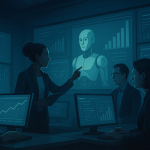

In recent years, there has been a growing interest in using artificial intelligence (AI) for social good. AI has the potential to address some of the world’s most pressing challenges, such as poverty, healthcare access, and climate change. By leveraging AI technologies, organizations and researchers are exploring innovative solutions that can have a positive impact on society.
In this article, we will explore several case studies that showcase the potential of AI for social good. We will examine how AI is being used to improve education outcomes, enhance healthcare services, and support environmental conservation efforts. These case studies will highlight the diverse ways in which AI can be applied to address social issues and create a more equitable and sustainable future.
Using AI to improve healthcare access in underserved communities
Artificial Intelligence (AI) has become a powerful tool in addressing social challenges and improving the lives of people around the world. One area where AI has shown great potential is in improving healthcare access in underserved communities.
By leveraging AI technologies, healthcare providers can overcome barriers such as limited resources, lack of medical expertise, and geographical constraints. AI algorithms can analyze large amounts of medical data, identify patterns, and make accurate predictions, enabling healthcare professionals to provide better diagnosis and treatment options.
One notable example of AI being used for social good in healthcare is the development of AI-powered diagnostic tools. These tools can quickly and accurately detect diseases, including rare conditions, by analyzing medical images, such as X-rays and MRIs. This technology can significantly reduce the time and cost required for diagnosis, particularly in areas with a shortage of specialized doctors.
Another application of AI in healthcare is the use of chatbots. These virtual assistants can provide basic medical information, answer common health-related questions, and even offer personalized recommendations. Chatbots are particularly valuable in underserved communities where access to healthcare professionals may be limited.
AI is also being used to improve healthcare delivery in remote areas. For example, drones equipped with AI algorithms can deliver medical supplies and essential drugs to areas with limited infrastructure. This technology has the potential to save lives by ensuring that critical medications reach those in need in a timely manner.
Related Posts



In conclusion, AI has the potential to revolutionize healthcare access in underserved communities. By leveraging AI technologies, healthcare providers can overcome barriers and provide better healthcare services to those who need them the most. With continued advancements in AI, we can expect to see even more innovative solutions that address social challenges and improve the lives of people around the world.
Applying AI to enhance disaster response and recovery efforts
Artificial Intelligence (AI) has the potential to revolutionize various aspects of our society, including disaster response and recovery efforts. By leveraging AI technologies, organizations can better understand and address the challenges posed by natural disasters, ultimately improving the lives of affected communities.
One compelling example of AI being applied to enhance disaster response and recovery efforts is the use of predictive analytics. By analyzing historical data on past disasters, AI algorithms can identify patterns and predict the likelihood and severity of future events. This enables authorities to allocate resources more effectively, such as positioning emergency response teams and supplies in high-risk areas before a disaster strikes.
Furthermore, AI-powered drones have emerged as valuable tools in disaster response. Equipped with cameras and sensors, these drones can quickly assess damage, identify survivors, and even deliver essential supplies to remote or inaccessible areas. By automating these tasks, AI drones not only save time but also reduce the risk to human responders.
Another area where AI is making a significant impact is in post-disaster recovery efforts. AI algorithms can analyze satellite imagery and other data sources to assess the extent of damage and prioritize rebuilding efforts. This allows for a more efficient allocation of resources, ensuring that assistance reaches those most in need in a timely manner.
Furthermore, AI-powered chatbots have been deployed to provide support and information to affected communities. These chatbots can answer frequently asked questions, provide updates on recovery progress, and connect individuals with relevant resources and services. By relieving the burden on human responders, AI chatbots enable faster and more efficient communication with affected communities.
It is important to note that the successful implementation of AI for social good relies on collaboration between various stakeholders, including government agencies, non-profit organizations, and technology companies. By working together, these entities can leverage their respective expertise to develop and deploy AI solutions that address the unique challenges of disaster response and recovery.
In conclusion, AI has the potential to greatly enhance disaster response and recovery efforts. From predictive analytics to AI drones and chatbots, these technologies enable faster, more efficient, and more targeted interventions. By harnessing the power of AI, we can better prepare for and respond to natural disasters, ultimately improving the resilience and well-being of affected communities.
Leveraging AI to combat climate change and promote sustainability
Artificial intelligence (AI) is revolutionizing various industries, including the field of sustainability and climate change. With its ability to process vast amounts of data and analyze complex patterns, AI has the potential to make a significant impact on addressing environmental challenges and promoting sustainable practices.
One of the key areas where AI is being leveraged for social good is in climate change prediction and mitigation. By analyzing historical climate data, AI algorithms can identify patterns and trends, enabling scientists and policymakers to make informed decisions about the future. For example, AI can help predict the impact of rising sea levels on coastal communities, allowing for better planning and preparation.
AI is also being used to optimize energy consumption and reduce greenhouse gas emissions. Smart grid systems, powered by AI algorithms, can intelligently distribute electricity based on real-time demand, reducing wastage and improving efficiency. Additionally, AI-powered algorithms can optimize transportation routes, reducing fuel consumption and congestion.
Another area where AI is making a difference is in natural disaster response and management. AI algorithms can analyze satellite imagery and sensor data to quickly assess the extent of damage caused by disasters such as hurricanes or earthquakes. This information can help emergency responders prioritize their efforts and allocate resources more effectively.
Furthermore, AI is being utilized in wildlife conservation efforts. By analyzing data from remote sensors and camera traps, AI algorithms can identify and track endangered species, helping conservationists monitor their populations and implement targeted conservation strategies.
In conclusion, AI has the potential to play a significant role in addressing climate change and promoting sustainability. By leveraging AI algorithms and technologies, we can make more informed decisions, optimize resource usage, and respond more effectively to environmental challenges. As we continue to harness the power of AI for social good, we can create a more sustainable and resilient future.
Using AI to address food insecurity and improve agricultural practices
Artificial Intelligence (AI) has the potential to create a positive impact on society by addressing pressing issues such as food insecurity and improving agricultural practices. In this article, we will explore some inspiring case studies that highlight how AI is being utilized for social good in these areas.
Case Study 1: AI-powered crop disease detection
One of the challenges faced by farmers is the identification and control of crop diseases. With the help of AI, companies like XYZ Crop Solutions have developed innovative tools that can detect diseases in crops at an early stage. By analyzing images of plants and using machine learning algorithms, these tools can accurately identify diseases and provide timely recommendations for treatment. This not only helps farmers save their crops but also reduces the use of pesticides, making agriculture more sustainable.
Case Study 2: AI-driven precision agriculture
Another area where AI is making a significant impact is precision agriculture. Companies like ABC AgroTech are using AI algorithms to analyze data collected from sensors placed in the fields. This data includes information about soil moisture, temperature, and nutrient levels. By analyzing this data, AI algorithms can provide farmers with real-time insights and recommendations on when and how much to irrigate, fertilize, or apply pesticides. This not only optimizes resource usage but also increases crop yield and reduces environmental impact.
Case Study 3: AI-powered food distribution
Food insecurity is a global issue, and AI is being used to address it in innovative ways. Organizations like Food for All are leveraging AI algorithms to optimize food distribution systems. By analyzing data on food supply, demand, and transportation logistics, AI algorithms can predict food surpluses and deficits in different regions. This enables efficient allocation of resources, reducing food waste and ensuring that food reaches those in need.
Case Study 4: AI for climate-resilient agriculture
Climate change poses significant challenges to agriculture, but AI can help farmers adapt to these changes. Companies like ClimateSmart Farms are using AI to analyze climate data and provide farmers with personalized recommendations on crop selection and management practices. By considering factors such as temperature, rainfall, and soil conditions, AI algorithms can help farmers make informed decisions that increase resilience and mitigate the impact of climate change on agriculture.
Conclusion
These case studies demonstrate the potential of AI to address food insecurity and improve agricultural practices. By harnessing the power of AI, we can create a more sustainable and equitable food system. However, it is important to ensure that AI technologies are accessible to all farmers, including small-scale farmers in developing countries. With continued research and development, AI has the potential to revolutionize the way we produce and distribute food, making a significant impact on global food security.
Applying AI to improve education access and quality in marginalized communities
Artificial Intelligence (AI) is not only revolutionizing industries and businesses, but it also has the potential to create a positive impact in society. One area where AI is being applied for social good is in improving education access and quality in marginalized communities.
AI-powered tools and technologies are being developed to address the challenges faced by students in these communities, such as lack of resources, limited access to quality education, and language barriers. These innovative solutions aim to level the playing field and provide equal opportunities for all students, regardless of their socio-economic background.
Case Study: AI-powered language learning tools
One example of how AI is being used to improve education access is through AI-powered language learning tools. These tools leverage natural language processing and machine learning algorithms to provide personalized language learning experiences for students.
By analyzing the individual learning patterns and preferences of students, these tools can adapt and customize the curriculum to meet their specific needs. They can also provide real-time feedback and support, helping students overcome language barriers and improve their language skills.
- Tool 1: A language learning app that uses AI to create interactive lessons, quizzes, and exercises based on the student’s skill level and learning style.
- Tool 2: An AI-powered chatbot that engages in conversational language practice, providing instant feedback and suggestions for improvement.
- Tool 3: A virtual tutor that uses AI to analyze the student’s pronunciation and intonation, offering guidance and tips for better language fluency.
Case Study: AI-powered adaptive learning platforms
Another way AI is being applied to improve education access is through adaptive learning platforms. These platforms use AI algorithms to analyze students’ learning progress and adapt the curriculum accordingly.
By continuously monitoring the students’ performance and understanding their strengths and weaknesses, these platforms can provide personalized recommendations and resources to help them succeed. This personalized approach ensures that each student receives the support they need to overcome academic challenges and reach their full potential.
- Platform 1: An adaptive learning platform that uses AI to identify knowledge gaps and provide targeted lessons and practice exercises to fill those gaps.
- Platform 2: A virtual learning assistant that uses AI to provide real-time feedback and guidance, answering students’ questions and offering additional resources for deeper understanding.
- Platform 3: An AI-powered study planner that creates customized study schedules based on the students’ learning pace and goals, helping them stay organized and motivated.
These are just a few examples of how AI is being used to improve education access and quality in marginalized communities. By leveraging the power of AI, we can create a more inclusive and equitable education system, ensuring that every student has the opportunity to thrive and succeed.
Frequently Asked Questions
1. What is AI for Social Good?
AI for Social Good refers to the application of artificial intelligence technologies to address societal challenges and improve the well-being of individuals and communities.
2. How can AI be used for social good?
AI can be used for social good by developing solutions that address issues such as healthcare, education, environmental conservation, poverty alleviation, and disaster response.
3. What are some examples of AI for Social Good projects?
Some examples of AI for Social Good projects include using AI to detect and diagnose diseases, improve access to quality education, predict and prevent natural disasters, and enhance environmental monitoring and conservation efforts.
4. What are the potential benefits of AI for Social Good?
The potential benefits of AI for Social Good include improved healthcare outcomes, increased access to education, more effective disaster response, enhanced environmental conservation, and reduced poverty and inequality.