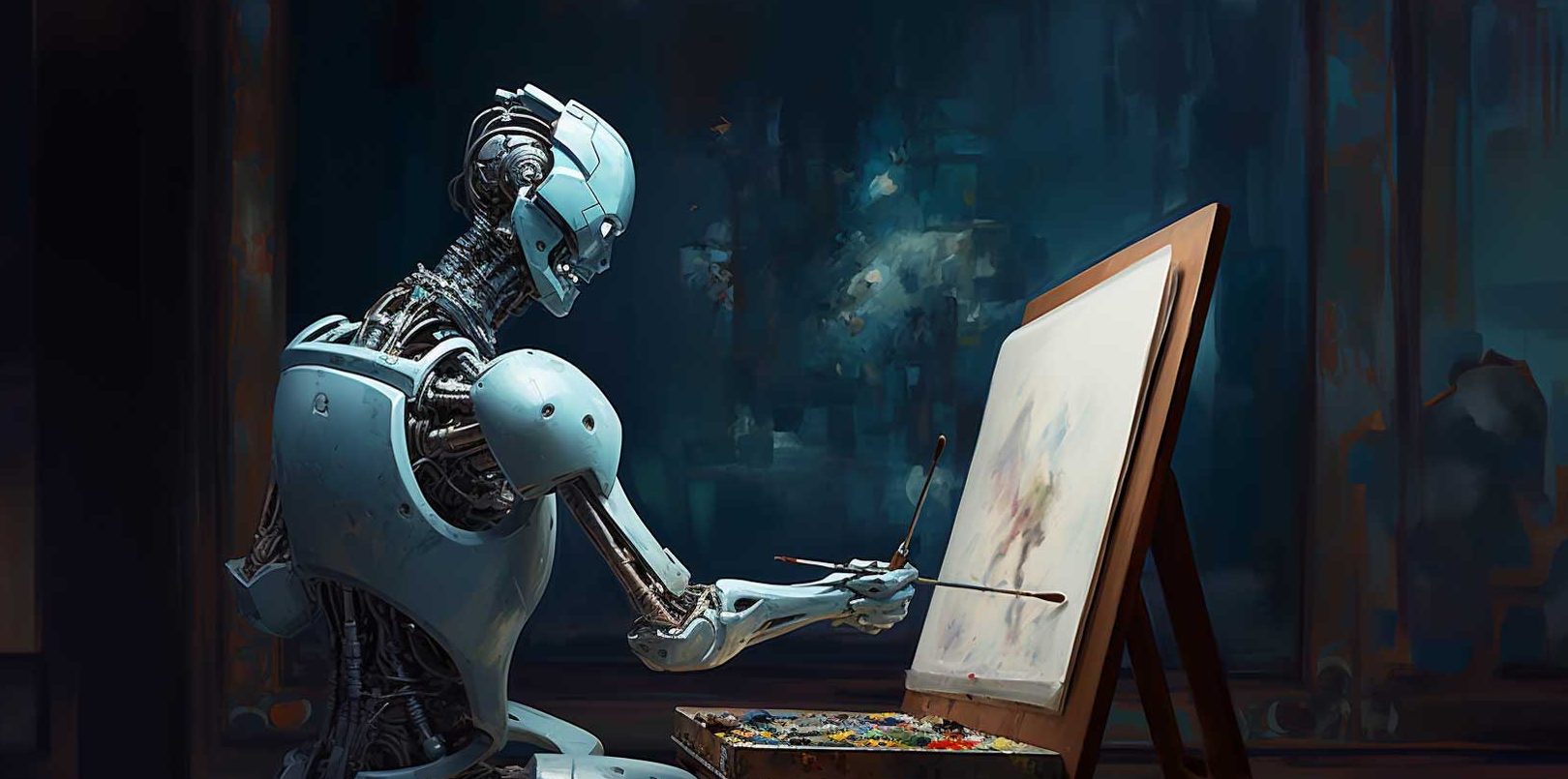
In recent years, there has been a surge in the use of artificial intelligence (AI) in various fields, including art. AI has revolutionized the way artists create, allowing them to explore new techniques and push the boundaries of creativity. From generating unique artworks to analyzing and interpreting existing ones, AI has become an indispensable tool for artists and art enthusiasts alike.
In this article, we will explore some of the latest innovations in AI applied to art. We will delve into the use of generative adversarial networks (GANs) to create original artwork, the application of AI in art restoration and preservation, and the use of machine learning algorithms to analyze and interpret art. We will also discuss the ethical implications of AI in art and the potential impact it may have on the art world. So, let’s dive into the fascinating world of AI and art!
AI algorithms are being used to create original artworks.
Artificial Intelligence (AI) has revolutionized many industries, and the art world is no exception. Thanks to AI algorithms, artists and creators are now able to produce original artworks that push the boundaries of creativity and imagination.
One of the most exciting aspects of AI applied to art is the ability to generate unique pieces that were previously unimaginable. These algorithms can analyze vast amounts of data, learn patterns, and generate new and innovative compositions. By utilizing AI, artists can explore new artistic styles, experiment with different mediums, and create artwork that challenges traditional norms.
The Role of AI in Artistic Creation
AI algorithms can be used in various ways to enhance the artistic creation process. One of the most common applications is the use of generative adversarial networks (GANs). GANs consist of two neural networks: a generator and a discriminator. The generator creates new artwork based on a training dataset, while the discriminator evaluates the generated artwork and provides feedback to improve the generator’s output.
Another application of AI in art is the use of style transfer algorithms. These algorithms analyze the style of a reference artwork and apply it to a new image, creating a unique fusion of styles. This technique allows artists to experiment with different artistic influences and create visually stunning compositions.
The Impact of AI on the Art Industry
The integration of AI in the art industry has sparked a debate about the role of technology in creative processes. Some argue that AI-generated art lacks the emotional depth and human touch that traditional art possesses. However, others see AI as a tool that can expand the boundaries of artistic expression and foster new forms of creativity.
Related Posts


Furthermore, AI algorithms have also been used to analyze and categorize artworks, making it easier for art enthusiasts and collectors to discover new pieces and understand different artistic movements. By using AI-powered recommendation systems, individuals can explore artworks that align with their preferences and discover emerging artists.
The Future of AI in Art
The advancements in AI applied to art are only just beginning, and the future holds even more exciting possibilities. As AI algorithms continue to evolve, we can expect to see further collaborations between AI and human artists, resulting in groundbreaking and thought-provoking artworks.
Additionally, the use of AI in art restoration and preservation is gaining traction. AI algorithms can analyze deteriorated artworks and generate digital reconstructions, allowing art historians and conservators to better understand and preserve our cultural heritage.
In conclusion, AI algorithms have opened up new avenues for artistic creation and exploration. By harnessing the power of AI, artists can push the boundaries of creativity and create artworks that captivate and inspire. As technology continues to advance, the integration of AI in the art industry will undoubtedly lead to even more exciting innovations and collaborations.
AI is able to analyze and interpret art styles to create new pieces.
Artificial Intelligence (AI) is revolutionizing the world of art. With its ability to analyze and interpret art styles, AI is now capable of creating new and innovative pieces that push the boundaries of traditional art forms. This technological advancement has opened up a whole new realm of possibilities for artists and art enthusiasts alike.
One of the most exciting applications of AI in the art world is the creation of AI-generated artwork. Using deep learning algorithms, AI is able to analyze vast amounts of existing artwork and learn the intricacies of different art styles. This allows AI to generate new pieces that mimic the style of renowned artists or even create entirely new and unique styles.
AI as a Collaborator
AI is not just limited to creating art on its own. It can also be used as a collaborative tool for artists. By feeding AI with their own artwork or providing it with specific instructions, artists can use AI to explore new ideas and push their creative boundaries. AI can analyze an artist’s work and generate suggestions or variations, providing valuable insights and inspiration.
Furthermore, AI can assist artists in the creation process by automating repetitive tasks. This allows artists to focus more on the conceptualization and execution of their ideas, rather than spending time on mundane tasks. AI can generate sketches, color palettes, or even assist in the composition of a piece, making the artistic process more efficient and streamlined.
AI in Art Curation and Recommendation
AI is also transforming the way art is curated and recommended to audiences. With its ability to analyze vast amounts of data, AI can curate personalized art collections based on individual preferences and interests. This ensures that art enthusiasts are exposed to artwork that resonates with their tastes, creating a more engaging and immersive experience.
Additionally, AI-powered recommendation systems can introduce users to new artists and art styles that they may not have discovered otherwise. By analyzing user preferences and patterns, AI can suggest artwork that aligns with their interests, expanding their artistic horizons and fostering a deeper appreciation for diverse art forms.
Conclusion
The advancements in AI applied to art have transformed the way we create, appreciate, and interact with art. From generating AI-generated artwork to acting as a collaborative tool for artists, AI has revolutionized the creative process. Furthermore, AI has enhanced art curation and recommendation, allowing individuals to discover and explore a wider range of artistic expressions. As the field of AI continues to evolve, we can expect even more exciting innovations and possibilities in the world of art.
AI can generate personalized art recommendations based on individual preferences.
Artificial Intelligence (AI) has revolutionized various industries, and the world of art is no exception. With the advancements in AI technology, it is now possible to generate personalized art recommendations based on individual preferences. This means that AI algorithms can analyze a person’s art preferences, such as their favorite artists, styles, and genres, and provide them with tailored suggestions that align with their tastes.
AI achieves this by utilizing machine learning algorithms that can process vast amounts of data and identify patterns and similarities in art. These algorithms can analyze an individual’s art preferences by considering factors such as color palettes, brush strokes, subject matter, and even emotions evoked by the artwork. By understanding these preferences, AI can generate accurate recommendations that cater to the individual’s unique taste.
One of the key benefits of AI-generated art recommendations is that it allows individuals to discover new artists and art styles that they may have never encountered before. This opens up a world of possibilities and helps expand their artistic horizons. For example, someone who enjoys impressionist paintings may be introduced to the works of lesser-known contemporary artists who incorporate similar techniques.
Moreover, AI can also assist art enthusiasts in exploring specific themes or genres. For instance, if someone is interested in landscape photography, AI algorithms can identify and recommend renowned photographers and their works within that genre. This provides users with a curated selection of art that aligns with their interests, making the process of discovering new art more efficient and enjoyable.
Additionally, AI can be utilized to enhance the overall art viewing experience. For instance, some museums and galleries have implemented AI-powered systems that provide interactive and immersive experiences for visitors. These systems can use computer vision algorithms to analyze the artwork in real-time and provide detailed information, historical context, and even audio descriptions for visually impaired individuals. This not only enhances accessibility but also enriches the overall understanding and appreciation of art.
In conclusion, AI has revolutionized the art world by enabling personalized art recommendations, expanding artistic horizons, and enhancing the overall art viewing experience. With AI algorithms analyzing individual preferences, art enthusiasts can discover new artists and genres that align with their tastes. Furthermore, AI-powered systems in museums and galleries provide interactive experiences and accessibility features that enhance the understanding and appreciation of art for all individuals. The advancements in AI applied to art have truly transformed the way we engage with and appreciate artistic creations.
AI is being used to restore and enhance damaged or deteriorated artworks.
Artificial Intelligence (AI) has made significant advancements in various fields, and one area where it is making a substantial impact is in the restoration and enhancement of damaged or deteriorated artworks. Through the use of AI algorithms and machine learning techniques, experts are now able to breathe new life into old masterpieces, preserving their beauty for future generations.
One of the most remarkable applications of AI in art restoration is the ability to repair cracks, tears, and other physical damages. By analyzing high-resolution images of the artwork, AI algorithms can identify the areas that need restoration and generate a digital reconstruction of the missing or damaged parts. This process allows restorers to accurately recreate the original details and textures, ensuring that the artwork looks as close to its original state as possible.
In addition to physical restoration, AI is also being used to enhance the visual quality of artworks. Through a process called image super-resolution, AI algorithms can analyze low-resolution images and generate high-resolution versions with enhanced details and clarity. This technique is particularly useful for restoring artworks that have faded over time or for enhancing the visibility of fine details that may have been lost due to aging.
Another exciting application of AI in art is the ability to analyze and interpret artistic styles. By training AI algorithms on vast databases of artworks from different periods and artists, researchers can now develop models that can identify the style, technique, and even the artist behind a particular artwork. This technology not only helps in the authentication of artworks but also provides valuable insights into the evolution of artistic styles throughout history.
Furthermore, AI is also being used to create new artworks in collaboration with human artists. By using generative adversarial networks (GANs), AI algorithms can learn from existing artworks and generate new pieces that mimic the style and characteristics of renowned artists. This technology opens up new possibilities for artistic expression and exploration, blurring the lines between human creativity and machine intelligence.
In conclusion, AI has revolutionized the field of art restoration and enhancement, allowing experts to preserve and revive damaged artworks with incredible precision. The applications of AI in art go beyond restoration, with the ability to analyze styles, create new artworks, and provide valuable insights into the world of art. As AI continues to advance, we can expect even more groundbreaking innovations in the intersection of AI and art.
AI can create realistic 3D models of artworks for virtual exhibitions.
Artificial Intelligence (AI) has revolutionized various industries, and the art world is no exception. One of the latest advancements in AI applied to art is the ability to create realistic 3D models of artworks for virtual exhibitions. This technology allows art enthusiasts to experience artworks in a whole new way, without the need to physically visit a museum or gallery.
Using sophisticated algorithms and machine learning techniques, AI can analyze high-resolution images of artworks and generate detailed 3D models. These models capture the intricate details, textures, and colors of the original artwork, providing a realistic representation in a virtual environment.
Virtual exhibitions powered by AI offer several advantages. Firstly, they allow art lovers from all around the world to access and appreciate artworks that may be located in distant museums or private collections. This accessibility promotes inclusivity and expands the reach of art to a wider audience.
Furthermore, AI-generated 3D models enable viewers to examine artworks from different angles and perspectives. They can zoom in to see fine brushstrokes or explore the intricate details that may be difficult to observe in a traditional exhibition setting.
Additionally, virtual exhibitions powered by AI provide a unique opportunity for art education and research. Students, scholars, and researchers can study artworks in great detail, analyze artistic techniques, and gain a deeper understanding of art history.
Moreover, AI-generated 3D models can be used to preserve and document artworks for future generations. By creating digital replicas, AI helps protect fragile and vulnerable artworks, ensuring their legacy is preserved even if the original piece is damaged or destroyed.
In conclusion, AI has opened up new possibilities for the art world by enabling the creation of realistic 3D models of artworks for virtual exhibitions. This technology enhances accessibility, promotes art education and research, and contributes to the preservation of cultural heritage. As AI continues to advance, we can expect further innovations that will revolutionize the way we experience and appreciate art.
Frequently Asked Questions
1. What is AI?
AI stands for Artificial Intelligence, which refers to the simulation of human intelligence in machines that are programmed to think and learn like humans.
2. How is AI applied to art?
AI is applied to art through various techniques such as deep learning, computer vision, and generative adversarial networks (GANs) to create, analyze, and enhance artistic content.
3. What are some current innovations in AI applied to art?
Some current innovations in AI applied to art include style transfer algorithms, AI-generated artworks, and AI-powered tools for artists.
4. What are the benefits of AI in art?
The benefits of AI in art include the ability to automate repetitive tasks, explore new artistic styles, generate unique artworks, and assist artists in their creative process.