
Artificial Intelligence (AI) has become an integral part of our lives, influencing various aspects of society such as healthcare, transportation, and entertainment. As AI continues to advance, one area that researchers and developers are focusing on is understanding and processing human emotions.
In this article, we will explore the intersection of AI and human emotions, discussing how AI systems are being trained to understand and respond to human emotions. We will examine the challenges and opportunities in this field, as well as the ethical considerations that arise when AI interacts with human emotions. Additionally, we will explore the potential applications of emotion recognition and processing in various industries, and how it can enhance user experiences and improve decision-making processes.
Artificial intelligence can be trained to understand and process human emotions.
Artificial intelligence (AI) has made significant advancements in recent years, allowing machines to perform tasks that were once thought to be exclusive to human beings. One area where AI has made remarkable progress is in understanding and processing human emotions.
Emotions play a crucial role in our daily lives. They shape our thoughts, actions, and interactions with others. Being able to recognize and understand emotions is an essential aspect of human intelligence. And now, with the help of AI, machines are becoming increasingly capable of doing the same.
Understanding Emotions
AI algorithms can be trained to analyze various data sources, such as text, images, and speech, to detect and interpret human emotions accurately. These algorithms use complex machine learning techniques to analyze patterns and extract meaningful insights from the data.
For example, AI can analyze social media posts, customer reviews, or even facial expressions to determine the emotional state of an individual. By understanding emotions, AI systems can provide personalized recommendations, improve customer service, and even predict behavior.
Processing Emotions
Once emotions are understood, AI systems can then process them to generate appropriate responses. This is where natural language processing (NLP) and sentiment analysis come into play. NLP allows machines to understand and generate human-like language, while sentiment analysis helps determine the emotional tone of a text or conversation.
Related Posts

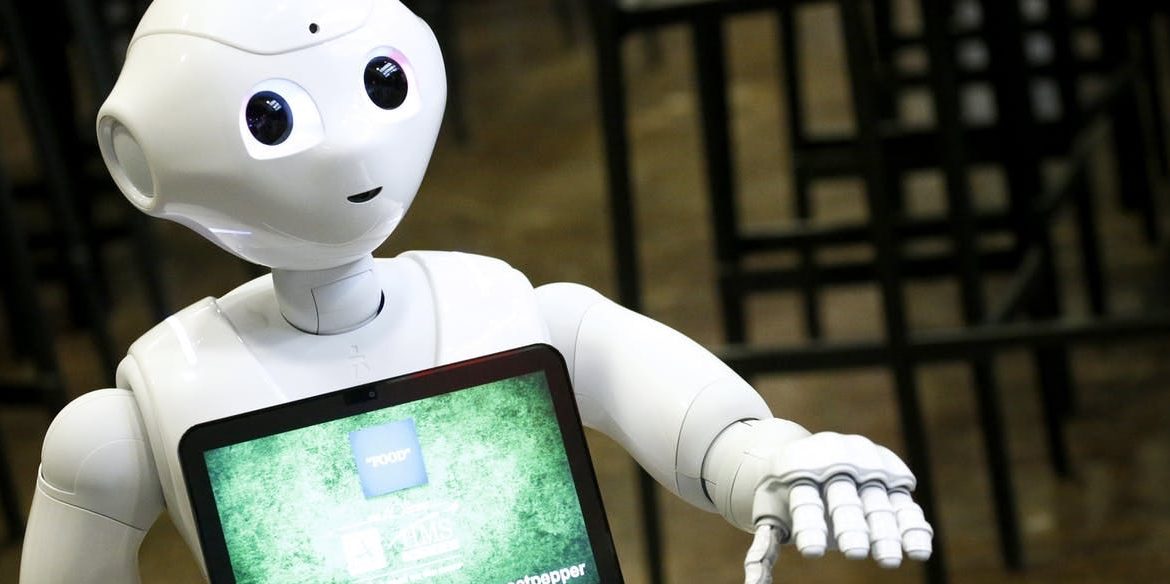
By combining these techniques, AI systems can engage in meaningful conversations, provide empathetic responses, and even assist in therapy or counseling sessions. They can offer emotional support and guidance, making them valuable tools in various fields, including mental health and customer service.
The Impact of AI on Human Emotions
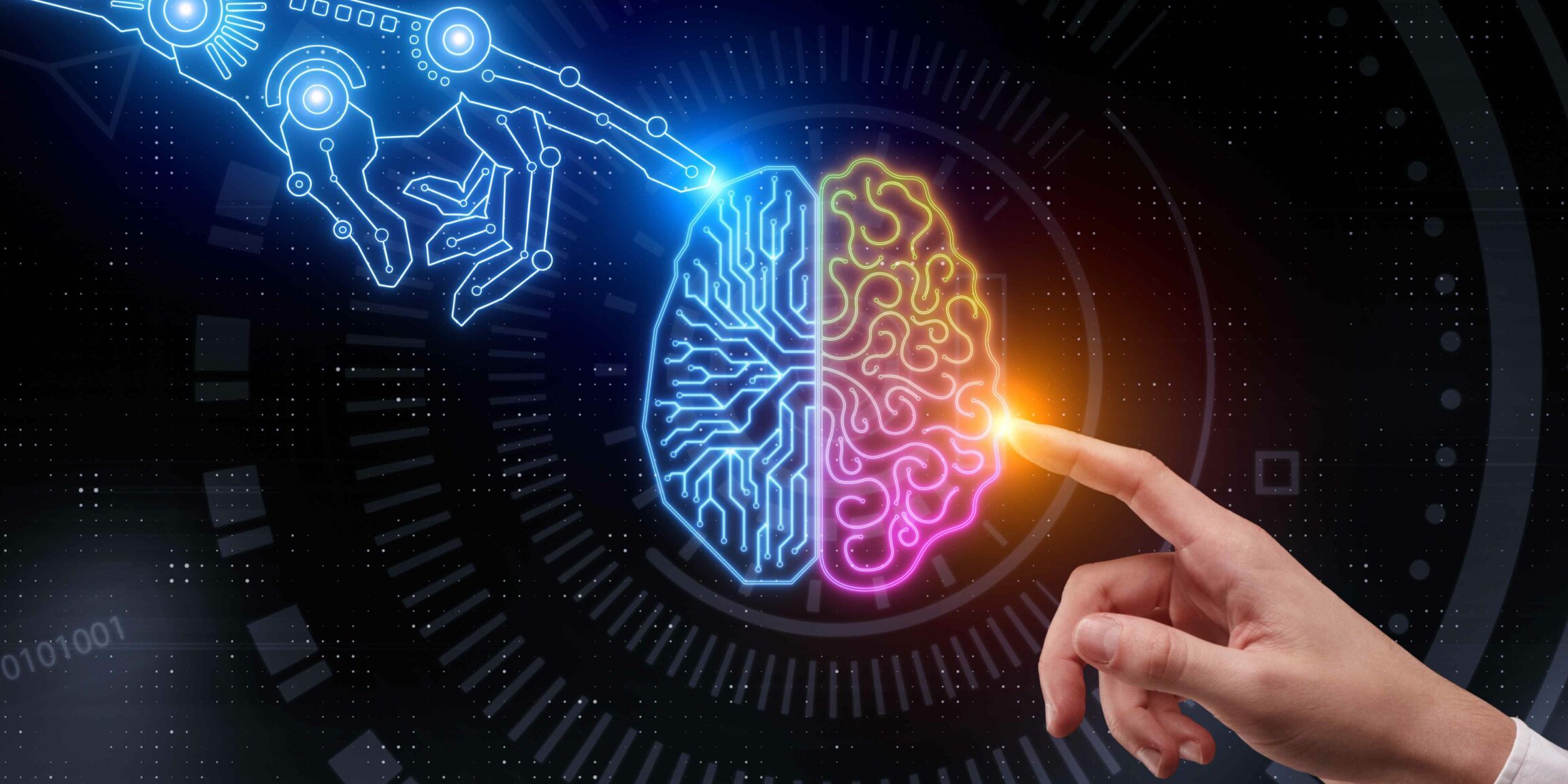
The ability of AI to understand and process human emotions has the potential to revolutionize many aspects of our lives. It can enhance our interactions with technology, improve mental health support, and even assist in decision-making processes.
However, it is important to note that AI is not meant to replace human emotions or interactions. It is designed to complement and augment our capabilities. AI systems lack the depth and complexity of human emotions, and they should always be used in conjunction with human judgment and empathy.
In conclusion, AI has come a long way in understanding and processing human emotions. It can analyze data and generate responses that are aligned with human emotions, making it a valuable tool in various industries. However, it is essential to remember that AI should always be used responsibly and in conjunction with human judgment to ensure ethical and empathetic interactions.
Machine learning algorithms can analyze facial expressions and body language to detect emotions.
Artificial intelligence (AI) has made significant advancements in recent years, and one area where it has shown great promise is in understanding and processing human emotions. Machine learning algorithms can now analyze facial expressions and body language to detect emotions, providing valuable insights into human behavior.
By leveraging computer vision techniques, AI can accurately identify and interpret various facial expressions, such as happiness, sadness, anger, and surprise. This technology can also analyze microexpressions, which are brief and involuntary facial movements that reveal underlying emotions.
Additionally, AI algorithms can analyze body language cues, such as posture, gestures, and movements, to understand emotional states. For example, crossed arms and a tense posture may indicate defensiveness or discomfort, while open and relaxed body language may indicate confidence or ease.
Understanding and processing human emotions can have numerous applications across various fields. In healthcare, AI can be used to detect signs of distress or pain in patients, allowing for timely intervention. In education, AI can analyze student engagement and emotional states to personalize learning experiences. In customer service, AI can assess customer emotions during interactions to improve satisfaction and identify potential issues.
Companies specializing in AI and machine learning, such as OpenAI, Amazon AI, Meta AI, Google AI, and Microsoft, have developed powerful tools and technologies that enable emotion detection and analysis. These tools are designed to be user-friendly and accessible, allowing businesses and individuals to harness the power of AI without extensive technical knowledge.
One notable example is the GPT-3 chatbot developed by OpenAI. This AI-powered chatbot can understand and respond to human emotions, providing personalized and empathetic interactions. It can adapt its responses based on the emotional cues detected in the user’s input, creating a more engaging and human-like conversation.
As AI continues to advance, the understanding and processing of human emotions will become even more sophisticated. This opens up exciting possibilities for AI in fields such as mental health, marketing, and social robotics. However, it is important to approach AI and emotion processing with caution and ethical considerations, ensuring that it is used responsibly and respects individual privacy.
In conclusion, AI has the potential to revolutionize our understanding and processing of human emotions. Through facial expression analysis, body language interpretation, and advanced machine learning algorithms, AI can provide valuable insights into human behavior and emotions. With the development of user-friendly tools and technologies by companies specializing in AI, the power of emotion detection and analysis is becoming more accessible to businesses and individuals. As AI continues to evolve, it is crucial to prioritize ethical considerations and use AI responsibly to benefit society as a whole.
Natural language processing techniques can be used to analyze text and detect emotional tone.
Artificial Intelligence (AI) has revolutionized many aspects of our lives, from the way we communicate to the way we make decisions. One area where AI has made significant advancements is in understanding and processing human emotions. Natural Language Processing (NLP) techniques have been developed to analyze text and detect emotional tone, allowing AI systems to better understand and empathize with human emotions.
NLP techniques involve the use of algorithms and machine learning models to process and interpret human language. These techniques enable AI systems to analyze text and extract meaningful insights, such as sentiment analysis, emotion detection, and tone recognition. By understanding the emotional tone of a piece of text, AI systems can respond in a more personalized and empathetic manner.
Emotion detection is a particularly important application of NLP in AI. It involves the identification and analysis of emotions expressed in text, such as happiness, sadness, anger, or fear. This can be achieved through the use of machine learning models trained on large datasets of labeled emotional text. These models learn to recognize patterns and associations between words and emotions, allowing them to accurately detect and classify emotions in new text.
Benefits of AI understanding and processing human emotions
The ability of AI systems to understand and process human emotions has numerous benefits. Firstly, it enables AI to provide more personalized and tailored experiences. For example, AI-powered chatbots can detect the emotional state of a user and respond accordingly, offering support or assistance in a compassionate manner.
Furthermore, AI systems that understand human emotions can be used in various fields, such as mental health and customer service. In mental health, AI can assist therapists in analyzing and understanding patients’ emotional states, providing valuable insights for diagnosis and treatment. In customer service, AI-powered systems can analyze customer feedback and sentiment, allowing companies to improve their products and services based on customer emotions.
Challenges and limitations
While AI has made significant progress in understanding and processing human emotions, there are still challenges and limitations to consider. One challenge is the cultural and contextual variability of emotions. Emotions can be expressed differently across cultures and can be highly influenced by the context in which they are expressed. AI systems need to be trained on diverse datasets that capture this variability to accurately detect and understand emotions.
Another limitation is the potential for bias in emotion detection. AI models are trained on data that may contain biases, reflecting societal biases and stereotypes. This can lead to inaccurate or unfair emotion detection results, particularly for underrepresented groups. It is essential to address these biases and ensure that AI systems are fair and inclusive.
The future of AI and human emotions
As AI continues to advance, the understanding and processing of human emotions will play a crucial role in developing more empathetic and intelligent systems. AI-powered technologies can assist in various domains, from mental health to customer service, by providing valuable insights and support based on emotional analysis.
In conclusion, the ability of AI to understand and process human emotions through NLP techniques opens up new possibilities for more personalized and empathetic interactions between humans and AI systems. By developing AI systems that can accurately detect and respond to human emotions, we can create a more inclusive and supportive AI-powered future.
Sentiment analysis algorithms can classify emotions in social media posts and online reviews.
Sentiment analysis algorithms play a crucial role in understanding and processing human emotions in the digital world. With the rise of social media and online platforms, people express their thoughts and feelings more openly than ever before. This massive amount of data provides valuable insights into human emotions, which can be harnessed through artificial intelligence (AI) techniques.
AI-powered sentiment analysis algorithms have the ability to classify emotions expressed in social media posts, online reviews, and other forms of digital content. These algorithms analyze the text and identify whether the sentiment expressed is positive, negative, or neutral. This information can be used by companies to gauge customer satisfaction, understand public opinion, and make informed business decisions.
One of the key challenges in sentiment analysis is the ambiguity and complexity of human emotions. Emotions can be expressed in various ways, including through sarcasm, irony, or subtle language nuances. AI algorithms need to be trained to recognize and interpret these nuances accurately. This requires large datasets with annotated emotions, which are used to train machine learning models.
There are different approaches to sentiment analysis, including rule-based and machine learning-based methods. Rule-based methods rely on predefined linguistic rules to identify emotions. On the other hand, machine learning-based methods use statistical models to learn from data and make predictions. These models are trained on labeled datasets, where human annotators assign emotions to the text.
Companies in the software industry have developed powerful sentiment analysis tools that can be integrated into various applications and platforms. These tools provide developers with APIs and SDKs to easily incorporate sentiment analysis capabilities into their software. This allows businesses to gain insights into customer opinions, improve their products and services, and enhance customer satisfaction.
In conclusion, sentiment analysis algorithms powered by AI are revolutionizing the way we understand and process human emotions in the digital age. These algorithms can analyze large volumes of text data and classify emotions expressed in social media posts, online reviews, and other digital content. By leveraging these insights, companies can make data-driven decisions, enhance customer satisfaction, and improve their overall business performance.
AI can be used to develop emotion recognition systems for applications like customer service or mental health support.
Artificial Intelligence (AI) has the potential to revolutionize the way we understand and process human emotions. By leveraging advanced algorithms and machine learning techniques, AI can be used to develop emotion recognition systems that have a wide range of applications, from customer service to mental health support.
One of the key challenges in developing emotion recognition systems is the ability to accurately detect and interpret human emotions. AI algorithms can analyze various data sources, such as facial expressions, voice tone, and physiological signals, to identify and understand emotions in real-time.
For example, in customer service, AI-powered emotion recognition systems can analyze customer interactions to determine their emotional state. This information can be used to provide personalized responses and improve the overall customer experience. By understanding the emotions of customers, companies can tailor their services and products to better meet their needs.
In the field of mental health, AI can play a crucial role in providing support and assistance to individuals. Emotion recognition systems can be used to monitor and detect changes in a person’s emotional state, helping to identify potential mental health issues. This can enable early intervention and the provision of appropriate resources and support.
Benefits and Challenges of AI in Emotion Recognition
The use of AI in emotion recognition offers several benefits. It can provide more accurate and objective assessments of emotions, reducing the reliance on subjective judgments. AI-powered systems can also process large amounts of data quickly, enabling real-time analysis and response.
However, there are also challenges associated with the development and implementation of AI in emotion recognition. Privacy concerns and the ethical use of personal data are important considerations. It is crucial to ensure that the data used for emotion recognition is collected and stored securely, and that individuals have control over how their data is used.
Additionally, AI algorithms may not always accurately interpret emotions, as human emotions can be complex and nuanced. Ongoing research and development are necessary to improve the accuracy and reliability of emotion recognition systems.
The Future of AI and Emotion Recognition
The field of AI and emotion recognition is rapidly evolving, with new advancements and applications being developed. As AI technologies continue to improve, we can expect to see more sophisticated emotion recognition systems that can understand and respond to human emotions with greater accuracy.
Furthermore, the integration of AI with other technologies, such as natural language processing and virtual reality, can enhance the capabilities of emotion recognition systems. This can enable more immersive and personalized experiences, particularly in areas such as virtual therapy or immersive gaming.
In conclusion, AI has the potential to greatly impact our understanding and processing of human emotions. From customer service to mental health support, AI-powered emotion recognition systems offer numerous benefits and opportunities. However, it is important to address the challenges associated with privacy, ethics, and accuracy to ensure the responsible and effective use of AI in emotion recognition.
Frequently Asked Questions
1. Can AI understand human emotions?
Yes, AI can understand human emotions through various techniques such as natural language processing, facial recognition, and sentiment analysis.
2. How does AI process human emotions?
AI processes human emotions by analyzing data such as text, voice, and facial expressions to detect patterns and extract emotional information.
3. Can AI simulate human emotions?
No, AI cannot simulate genuine human emotions as it lacks consciousness and subjective experiences. However, it can mimic certain emotional responses based on programmed algorithms.
4. What are the applications of AI in understanding and processing human emotions?
AI applications in understanding and processing human emotions include customer sentiment analysis, personalized recommendation systems, mental health diagnostics, and virtual assistants with emotional intelligence.