
Artificial Intelligence (AI) has become a highly relevant and rapidly evolving field in today’s world. With advancements in technology, AI has found its way into various industries and has started to revolutionize the way we live and work.
In this article, we will explore some of the current applications of AI in the world. We will discuss how AI is being used in healthcare to improve diagnosis and treatment, in finance to detect fraud and make predictions, in transportation to develop autonomous vehicles, and in customer service to enhance user experience. Additionally, we will examine the challenges and ethical considerations associated with the use of AI, as well as the potential future developments in this field.
AI is being used in healthcare to assist in diagnosing diseases and developing treatment plans.
Artificial Intelligence (AI) has made significant advancements in various fields, and one of the areas where it is being extensively used is healthcare. AI is revolutionizing the healthcare industry by assisting in diagnosing diseases and developing effective treatment plans.
With the help of AI, doctors and medical professionals can analyze large amounts of patient data quickly and accurately. Machine learning algorithms can identify patterns and correlations in medical records, lab results, and imaging scans, helping doctors make more accurate diagnoses. This is especially beneficial in complex cases where multiple factors need to be considered.
Additionally, AI-powered tools can assist in creating personalized treatment plans for patients. By analyzing a patient’s medical history, genetic information, and lifestyle factors, AI algorithms can recommend the most effective treatments and medications tailored to the individual. This not only improves patient outcomes but also helps reduce healthcare costs by minimizing trial and error in treatment approaches.
Furthermore, AI is being used in the development of new drugs and therapies. By analyzing large datasets and identifying potential drug candidates, AI algorithms can significantly speed up the drug discovery process. This has the potential to revolutionize the pharmaceutical industry, making it faster and more efficient in bringing life-saving medications to market.
Another application of AI in healthcare is the use of chatbots and virtual assistants. These AI-powered tools can provide immediate assistance and answer basic healthcare questions, helping patients access information and resources without the need for a doctor’s appointment. This not only improves patient satisfaction but also reduces the burden on healthcare providers.
Related Posts


In conclusion, AI is transforming the healthcare industry by assisting in diagnosing diseases, developing personalized treatment plans, accelerating drug discovery, and providing accessible healthcare information. With further advancements in AI technology, we can expect even more innovative applications in the future, ultimately improving patient care and outcomes.
AI is being used in autonomous vehicles to improve safety and efficiency on the roads.
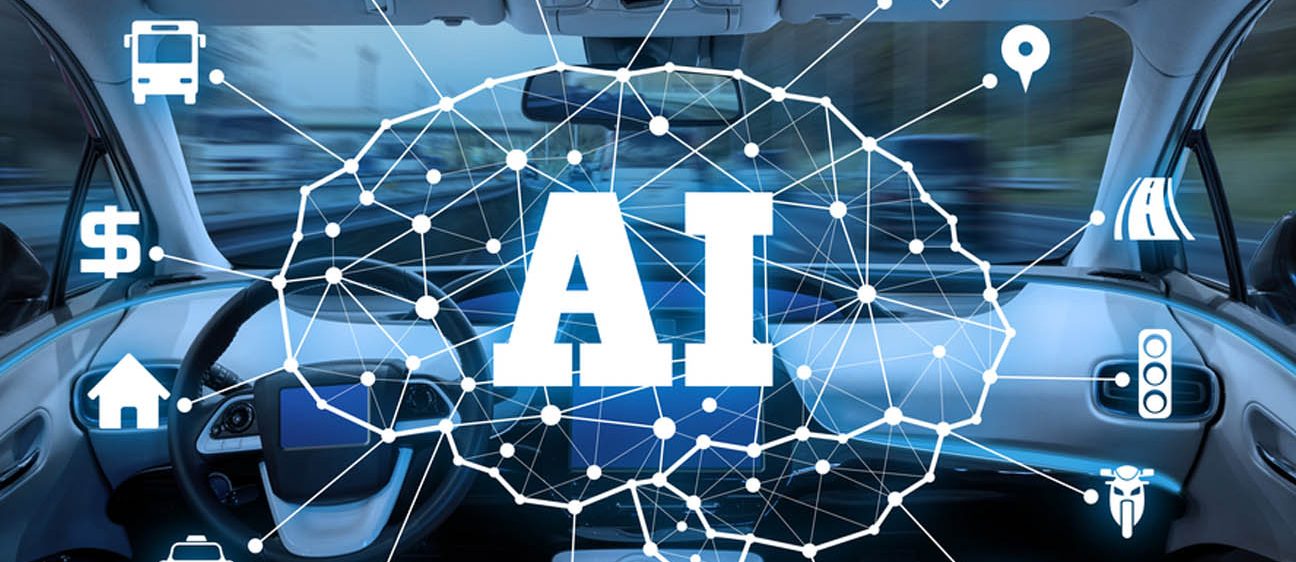
Artificial Intelligence (AI) is revolutionizing the world we live in, and one of its most exciting applications is in the field of autonomous vehicles. With AI-powered technologies, vehicles are becoming smarter and more capable of navigating the roads on their own.
One of the main benefits of AI in autonomous vehicles is improved safety. AI systems can analyze vast amounts of data from sensors, cameras, and other sources to make split-second decisions and avoid accidents. These systems can detect and react to potential hazards faster than a human driver, significantly reducing the risk of collisions.
Moreover, AI enables autonomous vehicles to optimize their routes and make more efficient use of resources. By analyzing traffic patterns and real-time data, AI algorithms can suggest the fastest and most fuel-efficient routes, saving time and reducing carbon emissions.
Autonomous vehicles are not just limited to cars. AI is also being used in drones, trucks, and even ships. In the future, we can expect to see more automated transportation systems that rely on AI to operate safely and efficiently.
Another exciting application of AI is in the healthcare industry. AI-powered algorithms can analyze medical data and help doctors make more accurate diagnoses. For example, AI can analyze medical images such as X-rays and MRIs to detect abnormalities that may be missed by human eyes. This can lead to earlier detection of diseases and better patient outcomes.
AI is also being used in drug discovery and development. By analyzing vast amounts of data, AI algorithms can identify patterns and predict the effectiveness of different compounds. This can significantly speed up the process of discovering new drugs and reduce the cost of development.
Furthermore, AI is revolutionizing the customer service industry. Chatbots powered by AI can provide instant and personalized assistance to customers, improving their experience and reducing the need for human intervention. These chatbots can answer common questions, provide product recommendations, and even handle transactions.
In conclusion, AI is being used in various industries to improve safety, efficiency, and customer experience. From autonomous vehicles to healthcare and customer service, AI-powered technologies are transforming the way we live and work. As AI continues to advance, we can expect even more exciting applications in the future.
AI is being used in customer service to provide personalized and efficient support.
Artificial Intelligence (AI) has revolutionized the way companies interact with their customers. One of the major applications of AI in the business world is in customer service. With AI-powered chatbots and virtual assistants, companies are able to provide personalized and efficient support to their customers.
AI-powered chatbots are computer programs that use natural language processing and machine learning algorithms to understand and respond to customer queries. These chatbots can understand the context of the conversation and provide relevant and accurate information to the customers. They can handle a wide range of queries, from simple questions about product features to complex troubleshooting scenarios.
Virtual assistants, on the other hand, are AI-powered software programs that can perform tasks and provide information to customers in a conversational manner. They can help customers with tasks like finding product information, making reservations, or even placing orders. Virtual assistants can also learn from customer interactions and improve their responses over time, making them more efficient and effective.
The use of AI in customer service has several benefits. Firstly, it allows companies to provide 24/7 support to their customers. With AI-powered chatbots and virtual assistants, customers can get assistance at any time, without having to wait for a human agent to become available. This improves customer satisfaction and reduces response times.
Secondly, AI-powered customer service is more cost-effective for companies. By automating repetitive tasks and handling a large volume of customer queries, companies can reduce their staffing needs and save on operational costs. AI-powered chatbots and virtual assistants can handle multiple queries simultaneously, ensuring that customers get quick and accurate responses.
Furthermore, AI-powered customer service can provide a personalized experience to customers. By analyzing customer data and preferences, AI systems can tailor their responses and recommendations to each individual customer. This not only improves customer satisfaction but also increases the likelihood of repeat purchases and customer loyalty.
Overall, the use of AI in customer service has transformed the way companies interact with their customers. AI-powered chatbots and virtual assistants provide personalized and efficient support, improving customer satisfaction and reducing operational costs. As AI technology continues to advance, we can expect even more innovative applications in the field of customer service.
AI is being used in finance to detect and prevent fraud.
Artificial Intelligence (AI) has revolutionized various industries, including finance. One of the key applications of AI in finance is fraud detection and prevention. With the increasing number of digital transactions, it has become crucial for financial institutions to have robust systems in place to identify and mitigate fraudulent activities.
AI algorithms analyze massive amounts of data, including transaction history, customer behavior, and patterns, to identify any suspicious activities. These algorithms can detect anomalies and flag potential fraudulent transactions in real-time, allowing financial institutions to take immediate action.
By using AI-powered fraud detection systems, banks and other financial institutions can significantly reduce financial losses due to fraud. These systems can also help in protecting customers’ sensitive information and maintaining trust in the financial system.
AI is also used in credit scoring and loan underwriting processes. Traditionally, credit scores were determined based on limited factors such as credit history and income. However, AI algorithms can analyze a wide range of data points, including social media activity, online behavior, and even facial recognition, to assess an individual’s creditworthiness more accurately.
This advanced credit scoring system enables lenders to make more informed decisions and offer personalized loan terms to borrowers. It also helps individuals with limited credit history or unconventional income sources to access credit opportunities that they may have otherwise been denied.
Another significant application of AI in finance is algorithmic trading. AI-powered trading systems can analyze vast amounts of market data, identify patterns, and make informed trading decisions in real-time. These systems can execute trades with high speed and accuracy, minimizing human error and maximizing profits.
AI algorithms can also be used to predict market trends and identify investment opportunities. By analyzing historical data and market indicators, these algorithms can provide valuable insights to investors, helping them make informed decisions and optimize their investment portfolios.
In conclusion, AI is playing a crucial role in the finance industry, particularly in fraud detection and prevention, credit scoring, loan underwriting, and algorithmic trading. These applications not only enhance efficiency and accuracy but also contribute to the overall stability and security of the financial system.
AI is being used in agriculture to optimize crop yields and reduce environmental impact.
Artificial Intelligence (AI) is revolutionizing various industries, and one area where its impact is being felt is in agriculture. AI is being used to optimize crop yields and reduce the environmental impact of farming practices.
By analyzing vast amounts of data, AI algorithms can provide valuable insights to farmers. They can predict optimal planting times, determine the right amount of water and fertilizer for each crop, and identify potential pest and disease outbreaks. This not only helps farmers increase their crop yields but also reduces the use of resources such as water and pesticides.
AI-powered drones and robots are also being used in agriculture. Drones equipped with AI algorithms can monitor crops from above, detecting areas that need attention, such as signs of stress or nutrient deficiencies. Similarly, robots can be used for tasks like planting seeds, harvesting crops, and removing weeds, reducing the need for manual labor and increasing efficiency.
Furthermore, AI is being utilized in the development of smart irrigation systems. These systems use sensors and AI algorithms to monitor soil moisture levels and weather conditions in real-time. By analyzing this data, they can automatically adjust the amount of water delivered to crops, ensuring they receive the right amount of water at the right time. This not only saves water but also prevents overwatering, which can lead to water pollution and the loss of nutrients.
In conclusion, AI is playing a crucial role in agriculture by optimizing crop yields and reducing the environmental impact of farming practices. By analyzing data and providing valuable insights, AI algorithms are helping farmers make informed decisions and improve their productivity. With the use of AI-powered drones, robots, and smart irrigation systems, agriculture is becoming more efficient and sustainable.
Frequently Asked Questions
What is artificial intelligence?
Artificial Intelligence (AI) refers to the development of computer systems that can perform tasks that normally require human intelligence.
What are some current applications of AI?
Some current applications of AI include virtual assistants, autonomous vehicles, and fraud detection systems.
How is AI being used in healthcare?
AI is being used in healthcare for tasks such as diagnosing diseases, predicting patient outcomes, and assisting in surgical procedures.
Is AI being used in the financial industry?
Yes, AI is being used in the financial industry for tasks such as risk assessment, algorithmic trading, and fraud detection.